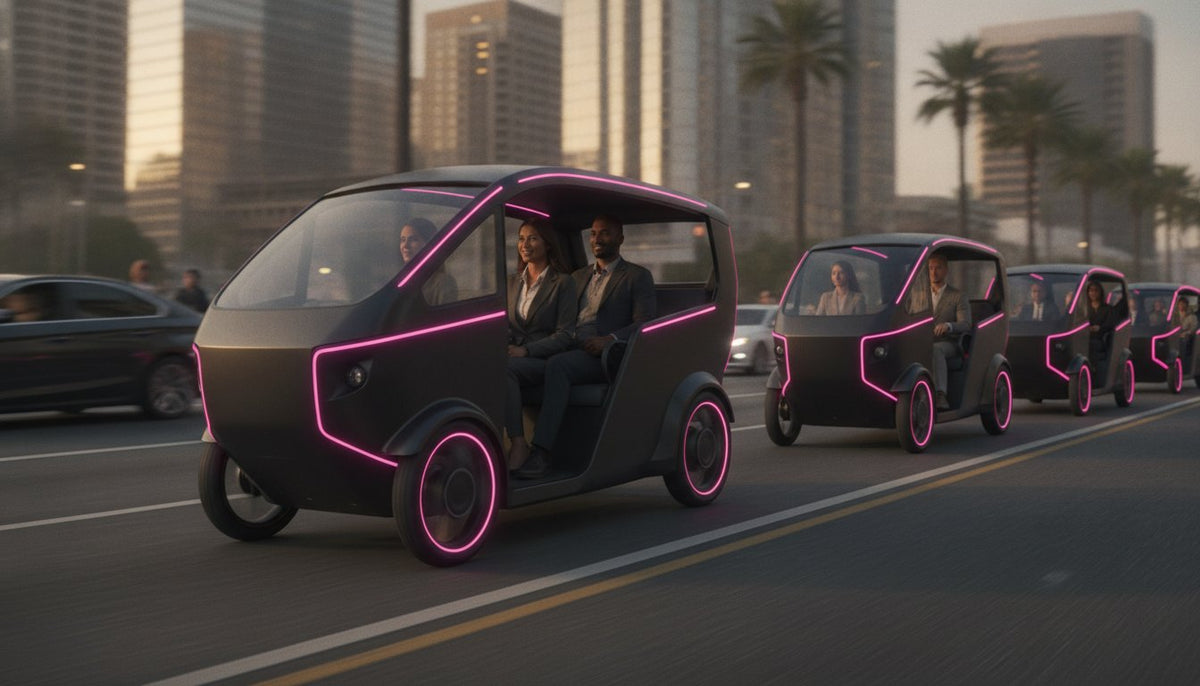
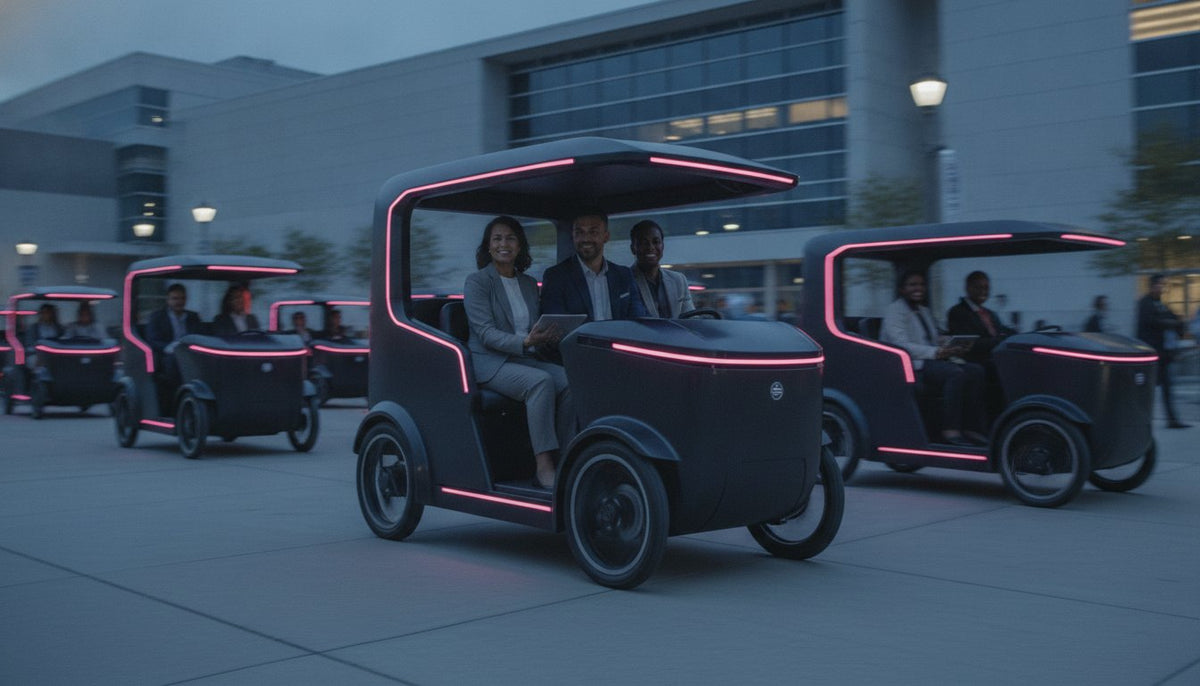
The most expensive mistake you can make when calculating the cost of starting a bike taxi business is prioritizing a low purchase price over industrial durability. It’s a hard truth that many new operators learn only after their first fleet of cheap imports collapses under a full passenger load. You've likely felt the pressure to minimize your initial capital, but in 2026, success belongs to those who treat their fleet as a high-performance asset rather than a hobbyist’s project. We understand the drive to get your business off the ground quickly. You need a vehicle that survives the daily grind of high-traffic districts without draining your profits through constant repairs.
This blueprint offers a masterclass in the financial requirements of launching an industrial-grade pedicab fleet. We’ll show you how to calculate a realistic path to profitability while navigating the complexities of commercial insurance and municipal licensing fees. You’ll gain a clear budget for your first year of operations, from the $13,500 investment for a 3-seat model to the high-yield potential of $17,500 6-seat vehicles. We are moving past the guesswork to provide a granular look at hardware selection and ROI timelines. By the end of this guide, you’ll have the confidence to build a legacy in the 2026 transit market.
Key Takeaways
- Identify the three essential tiers of startup capital—equipment, regulatory, and operational—to build a budget that survives the first year of professional fleet service.
- Master the total cost of starting a bike taxi business by calculating the "Downtime Tax" associated with budget imports versus the reliability of industrial-grade engineering.
- Gain clarity on 2026 commercial insurance premiums and licensing fees to ensure your fleet meets modern regulatory standards without overpaying for coverage.
- Discover why investing in $17,500 high-capacity 6-seat vehicles accelerates your ROI timeline in high-traffic urban districts compared to standard models.
- Learn to select hardware based on high-torque drive systems and industrial chassis engineering to minimize long-term maintenance overheads and motor burnouts.
Breaking Down the Initial Capital Requirements for 2026
The cost of starting a bike taxi business in 2026 is a three-tiered capital allocation: equipment, regulatory compliance, and operational reserves. While legacy operators might still discuss manual trikes, the 2026 market has moved on. High-capacity electric fleets are the only way to secure a professional-grade ROI in modern urban environments. Passengers today demand speed and comfort, and municipalities demand zero-emission solutions that don't clog transit lanes. If you aren't planning for an electric fleet, you aren't planning for a business that survives its first season.
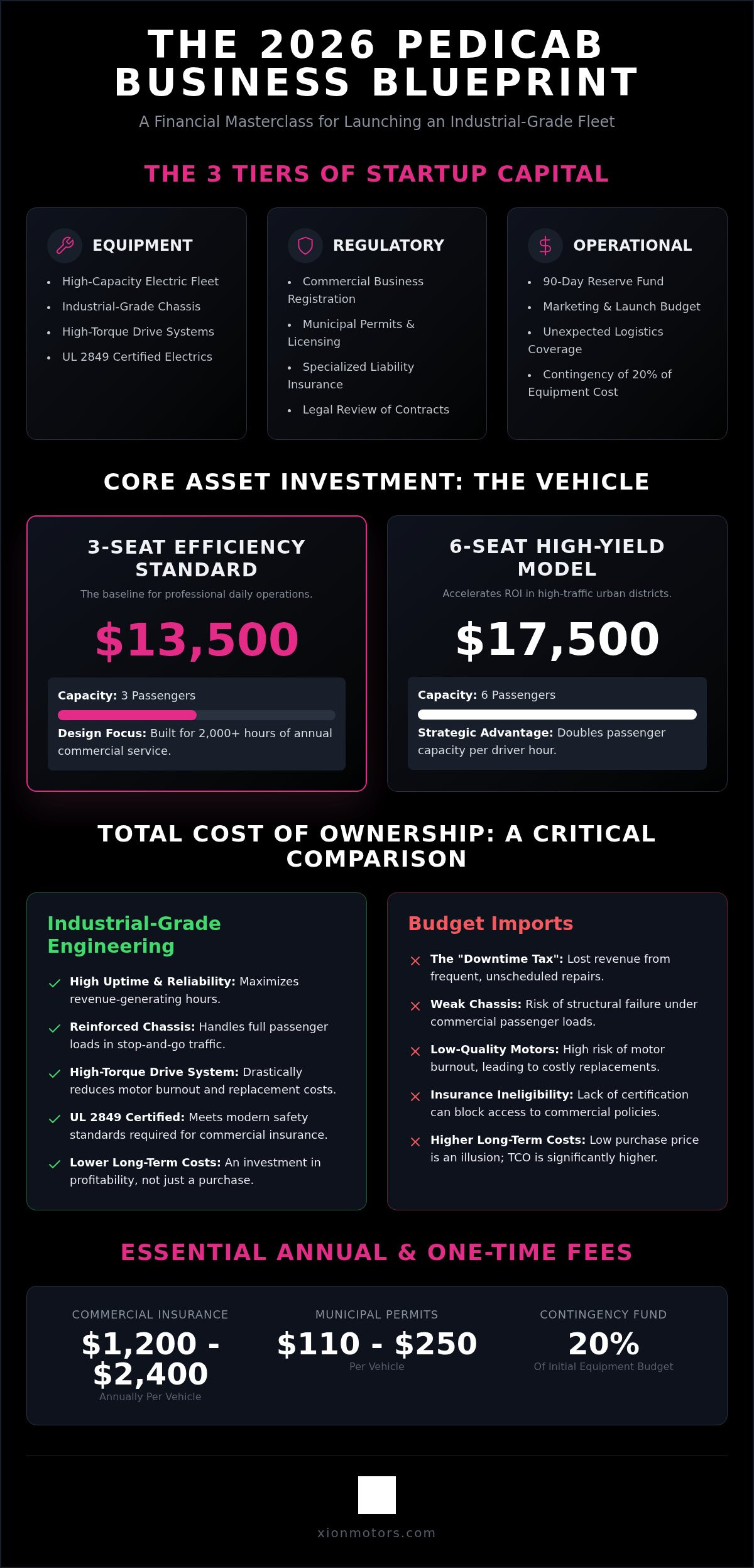
Understanding the true cost of starting a bike taxi business requires a shift from short-term savings to long-term viability. Don't confuse your upfront startup cost with the total cost of ownership (TCO). A cheap import might look attractive on a balance sheet today, but the "Downtime Tax" will kill your margins by month six. A robust TCO model accounts for parts, maintenance, and the revenue lost when a vehicle is out of service. Successful operators also establish a contingency fund. You should set aside at least 20% of your initial equipment budget to cover the first ninety days of marketing and unexpected logistics.
Fixed Asset Investment: The Vehicle Core
Your primary capital expenditure is the vehicle. In 2026, the standard for a professional 3-seat industrial model starts at $13,500. This isn't a modified mountain bike; it is a heavy-duty commercial vehicle designed for 2,000 or more hours of annual service. For high-volume tourist districts, the $17,500 6-seat models offer a massive strategic advantage. Doubling your passenger capacity per driver hour drastically shortens your path to profitability. While the modern Cycle rickshaw has evolved into a high-tech electric machine, the core business remains the same: moving people efficiently. Fleet packages for multiple units often provide the best price-per-seat ratio for serious entrepreneurs.
Legal and Regulatory Entry Costs
Regulatory barriers are higher than ever, and budgeting for them is non-negotiable. You must account for commercial business registration and municipal permits, which can range from $110 to $250 per vehicle in high-demand zones. Safety is no longer optional. Mandatory certifications, such as the UL 2849 standard for the entire electrical system, are now required by most metropolitan authorities. Expect to spend between $1,200 and $2,400 annually per vehicle for specialized commercial liability insurance. Finally, allocate funds for a professional legal review of your rider waivers and operator contracts. Cutting corners on legal paperwork is a liability that no industrial-grade business can afford.
The Hardware Core: Engineering for Durability and Passenger Capacity
The hardware you choose represents the largest single variable in the cost of starting a bike taxi business. In 2026, professional operators don't gamble on modified consumer bicycles or low-quality imports that buckle under the weight of six passengers. Industrial-grade chassis engineering is a non-negotiable expense because it dictates your uptime. A chassis built for commercial duty uses reinforced stress points and high-tensile materials to handle the constant torque of stop-and-go city traffic. This structural integrity is also a prerequisite for commercial insurance eligibility; underwriters in 2026 specifically look for UL 2849 certified electrical systems and proven safety records before issuing a policy.
High-torque drive systems are the standard for serious fleets because they drastically reduce motor burnouts and replacement costs. We utilize a claim-then-verify engineering principle: we assert that our drive systems can handle full-capacity climbs, and we verify it through rigorous stress-testing backed by 20 years of fleet experience. This reliability is essential as the future of micromobility shifts toward heavy-duty transit solutions that can replace short-range car trips. When your hardware is built for professional service, you spend less on parts and more time generating revenue.
CyberX: The 3-Seat Efficiency Standard
The CyberX sets the baseline for professional operations with a $13,500 price point. When calculating the cost of starting a bike taxi business, this vehicle offers a balanced entry point for those prioritizing maneuverability in narrow city streets. By focusing on a 3-seat configuration, you maintain a lower weight profile while providing a premium passenger experience. The ROI potential for this model is significant for those targeting high-frequency, short-distance transit routes. The CyberX is the industrial standard for 2026 urban transit.
VorteX: Maximizing Revenue with 6-Seat Capacity
Investing $17,500 in a VorteX model is a strategic decision to maximize per-ride revenue. Moving six adults plus a driver requires specialized engineering, including heavy-duty suspension and enhanced braking systems to manage the increased momentum. These high-capacity trikes dominate event niches and entertainment districts where large groups want to travel together. You can explore our fleet packages to see how these vehicles scale your earning potential. One VorteX ride can often generate double the fare of a standard trike, significantly accelerating your timeline to profitability.
Total Cost of Ownership: Industrial-Grade vs. Budget Imports
Don't be deceived by the low sticker price of a $5,000 budget import. While it may seem like an easy way to lower the initial cost of starting a bike taxi business, the three-year financial reality is grim. These consumer-grade units often require complete motor or battery replacements within eighteen months of heavy commercial use. When you factor in these repairs, a cheap bike frequently exceeds the total investment of a $13,500 CyberX by its third season. We build vehicles to endure, not just to sell. Our USA-based engineering team ensures that every component is rated for the thousands of hours of service required in a professional fleet environment.
The most dangerous hidden expense is the Downtime Tax. If your vehicle sits idle for three weeks waiting for a specific sensor from an overseas factory, you lose approximately $2,500 to $3,500 in gross revenue during peak season. When you Peddle your way to profits, your equipment must stay on the road to maintain your margins. We eliminate this risk through direct, national parts support. Fleet continuity is the difference between a thriving enterprise and a failed experiment. Premium commercial brands retain significant resale value. A well-maintained industrial trike can often be liquidated for 60% of its original value after three years, whereas budget imports often end up in scrap yards.
Maintenance and Replacement Part Protocols
Successful operators treat maintenance as a proactive investment rather than a reactive chore. You must budget for high-wear components like tires, heavy-duty brake pads, and drive chains that face extreme stress under passenger loads. Our modular engineering allows for quick field repairs, ensuring your drivers spend more time earning and less time in the shop. For a detailed breakdown of service intervals and technical requirements, refer to our electric pedicab maintenance guide. This systematic approach preserves your assets and maximizes your first-year ROI.
Battery Lifecycle and Energy Costs
Calculating the daily charging cost is essential for accurate financial forecasting. In 2026, a high-performance electric fleet is remarkably efficient, typically costing less than $1.50 per unit for a full day of operation. You must budget for the battery lifecycle. High-capacity lithium-ion systems are rated for 1,000 or more charge cycles, meaning a replacement fund should be established by year three. Investing in superior battery technology upfront ensures that your vehicles maintain consistent power delivery and range even during the most demanding shifts of a 6-seat VorteX model.
Navigating Operational Overheads: Insurance, Licensing, and Marketing
Beyond the initial investment in industrial vehicles, your operational overheads determine whether your fleet scales or stalls. Calculating the comprehensive cost of starting a bike taxi business must account for the digital infrastructure required to manage a modern operation. In 2026, a paper-and-clipboard approach is obsolete. You need a robust white-label dispatch app, which typically costs between $20,000 and $60,000 for a professional-grade platform. This software handles booking, GPS tracking, and secure payment processing. Driver recruitment and safety training represent another critical line item. You aren't just hiring cyclists; you're hiring brand ambassadors who must be trained in defensive driving and passenger management to protect your assets and your reputation.
Marketing spend varies significantly based on your target niche. If you are operating in high-traffic tourism districts, your primary cost is premium placement near transit hubs. For local transit niches, you must budget for digital advertising and loyalty programs to build a recurring rider base. Effective marketing isn't just about visibility; it's about establishing a presence that justifies premium tour rates. Understanding these overheads is as vital as the hardware when evaluating the total cost of starting a bike taxi business for long-term growth.
Commercial Insurance and Risk Management
Standard bike insurance is a liability trap. It won't cover commercial livery operations. You need specialized Commercial General Liability (CGL) and livery insurance. In 2026, these premiums typically range from $1,200 to $2,400 annually per vehicle. Deploying vehicles with integrated safety features lowers these costs. High-visibility lighting, turn signals, and hydraulic braking systems demonstrate to underwriters that you've mitigated your primary risks. Budget approximately 5% to 8% of your gross revenue for annual insurance renewals to ensure your fleet remains compliant and protected.
Brand Identity and Fleet Aesthetics
Your fleet's appearance is your most powerful marketing tool. Professional custom wraps provide a sense of legitimacy that drives higher tip volumes and allows for premium pricing. Passengers trust branded, cohesive vehicles. Investing in weather protection, such as industrial-grade canopies, is another strategic move. These additions extend your operating season through rain or intense sun, ensuring your revenue doesn't drop when the weather turns. A well-branded VorteX becomes a rolling billboard. These vehicles often attract lucrative advertising partnerships that offset your initial branding costs. You can view our fleet packages to see how we integrate professional branding options directly into your order.
Scaling for Profit: Launching Your Fleet with Xion Motors
Scaling a transport venture requires more than just capital; it requires a partner who has navigated every operational hurdle. Xion Motors provides that foundation. As you calculate the final cost of starting a bike taxi business, the transition from a single unit to a cohesive fleet is where your margins truly stabilize. Our team brings over 20 years of fleet operation experience to your project. We provide more than just hardware. We offer a proven blueprint for success that includes domestic engineering support and a supply chain built for commercial continuity. Our national shipping process ensures that your vehicles arrive road-ready, minimizing the gap between procurement and profit.
Launching a fleet is a decisive move. It signals to your market that you are a permanent fixture in the local transit landscape. By deploying multiple units, you create a visual dominance that naturally attracts both passengers and high-value advertising partners. We handle the logistical heavy lifting, allowing you to focus on driver recruitment and local territory management. Our support doesn't end when the crates arrive. We remain an active resource for your technical team, ensuring your vehicles maintain the high performance standards required for 2026 urban operations.
Fleet Pricing and Procurement Strategies
Maximizing your initial capital depends on smart procurement. We offer tiered fleet pricing to lower the per-unit cost of starting a bike taxi business, with a 10% discount for orders of 3 to 9 units and a 15% discount for 10 or more. Buying direct from the manufacturer eliminates the middleman. It guarantees that you have immediate access to technical experts who understand the specific stresses of commercial duty. You can explore our insights on scaling operations with electric pedicab fleet packages to understand how high-volume deployments stabilize your operational budget.
The 2026 ROI Roadmap
A single industrial-grade vehicle can generate $30,000 to $35,000 in annual gross revenue. For an operator utilizing the CyberX in a high-traffic district, the break-even point on the initial hardware investment is typically reached within seven to nine months of live operations. This roadmap assumes you have integrated the secondary revenue streams discussed earlier, such as advertising wraps and premium tour packages. Before your first driver hits the street, verify your final readiness with this checklist:
- Asset Verification: Confirm all units are UL 2849 certified and inspected for municipal compliance.
- Risk Mitigation: Finalize your commercial livery insurance policy with a minimum $1M liability limit.
- Digital Integration: Test your dispatch software and payment processing with live field trials.
- Brand Deployment: Ensure all vehicles carry professional custom wraps to maximize passenger trust.
Consult with a Xion Motors fleet specialist to build your 2026 quote.
Dominate the 2026 Transit Market
Building a sustainable enterprise in 2026 requires more than just a bike; it requires an industrial-grade asset designed for commercial duty. When you calculate the total cost of starting a bike taxi business, it becomes clear that durability is your primary defense against operational downtime. We've spent over 20 years in the trenches as fleet operators, perfecting the tools you need to thrive. Our USA-based engineering team stands behind every vehicle, providing the technical depth and UL 2849 certified safety required to maintain a high-performance operation in any high-traffic district.
The 2026 market is ready for professional transit solutions that deliver both passenger excitement and financial security. Don't settle for hobbyist equipment when you can deploy a fleet built for the rigors of commercial duty. Take the first step toward securing your market share by partnering with a manufacturer that understands your bottom line. Build Your Industrial-Grade Fleet Quote Today and launch your business with the confidence of a seasoned industry veteran.
Frequently Asked Questions
How much does a commercial electric pedicab cost in 2026?
A professional-grade electric pedicab in 2026 starts at $13,500 for the 3-seat CyberX model. If your business plan targets high-volume entertainment districts, the 6-seat VorteX model is available for $17,500. These prices reflect industrial engineering designed for commercial livery, not recreational use. Investing in this caliber of equipment ensures you meet mandatory UL 2849 safety standards and maintain the durability required for thousands of hours of service without catastrophic chassis failure.
Can I start a bike taxi business with a standard electric bike?
No, launching a professional fleet with standard consumer-grade electric bikes is a high-risk strategy that usually leads to operational failure. Consumer bikes aren't engineered to support the 800+ pound loads common in commercial passenger transit. They lack the high-torque drive systems and reinforced braking infrastructure necessary for safety. Sourcing components that meet these industrial standards is vital, and resources from Chain Driven Cycles can help you identify the right shifters and derailleurs for high-capacity use. Additionally, underwriters won't provide the mandatory commercial livery insurance for non-industrial vehicles, effectively barring you from most regulated high-traffic transit zones.
Commercial General Liability and livery insurance for a pedicab operation typically ranges from $1,200 to $2,400 annually per vehicle. These premiums fluctuate based on your fleet's safety profile and the specific requirements of your municipality. Utilizing vehicles with integrated hydraulic brakes and UL 2849 certified electrical systems can help you secure better rates. It's a critical line item that protects your assets against the unique risks associated with urban passenger transport.
What is the typical ROI for an electric pedicab fleet?
An industrial-grade electric pedicab can generate between $30,000 and $35,000 in gross annual revenue through a mix of passenger fares and advertising wraps. When you account for the initial equipment investment, a CyberX model often reaches its break-even point within seven to nine months of active service in high-traffic districts. High-capacity 6-seat vehicles like the VorteX can accelerate this timeline by doubling your revenue potential per driver hour during peak events.
Do I need a special license to operate a bike taxi?
Yes, licensing is managed at the municipal level and is a mandatory component of your startup budget. Annual vehicle license fees generally range from $110 to $250 per unit in high-demand urban areas. Most cities require a background check for drivers, a specialized commercial operator permit, and a rigorous safety inspection of the vehicle's braking and lighting systems. You should consult your local transit authority to confirm the specific ordinance requirements for your region.
Are Xion Motors vehicles street legal in all 50 states?
Our vehicles are engineered to comply with federal and state regulations governing electric-assist cycles, making them a viable solution for urban transit nationwide. While the hardware meets rigorous safety standards, individual municipalities often establish specific "Green Zones" or operator caps that dictate where you can ride. We recommend reviewing local ordinances regarding vehicle width and passenger capacity to ensure your 3-seat or 6-seat fleet aligns with current regional transit policies.
How much can a bike taxi driver earn per day?
Individual earnings vary by market, but a single industrial-grade vehicle typically supports an annual gross revenue of $30,000 to $35,000. Daily earnings are highest during major sporting events, festivals, and weekend tourism peaks where passenger demand is constant. Beyond standard fares, professional operators maximize their daily take by selling advertising space on vehicle wraps. This dual revenue stream ensures that your drivers remain profitable even during shifts with lower passenger density.
What are the hidden costs of starting a pedicab business?
The total cost of starting a bike taxi business includes several line items beyond the vehicles themselves. You must budget for digital infrastructure, such as white-label dispatch apps which can cost between $20,000 and $60,000. Other hidden expenses include professional driver safety training, battery replacement funds for after 1,000 charge cycles, and high-wear maintenance parts like specialized brake pads. Establishing a 20% contingency fund is essential for managing these operational overheads during your first quarter.