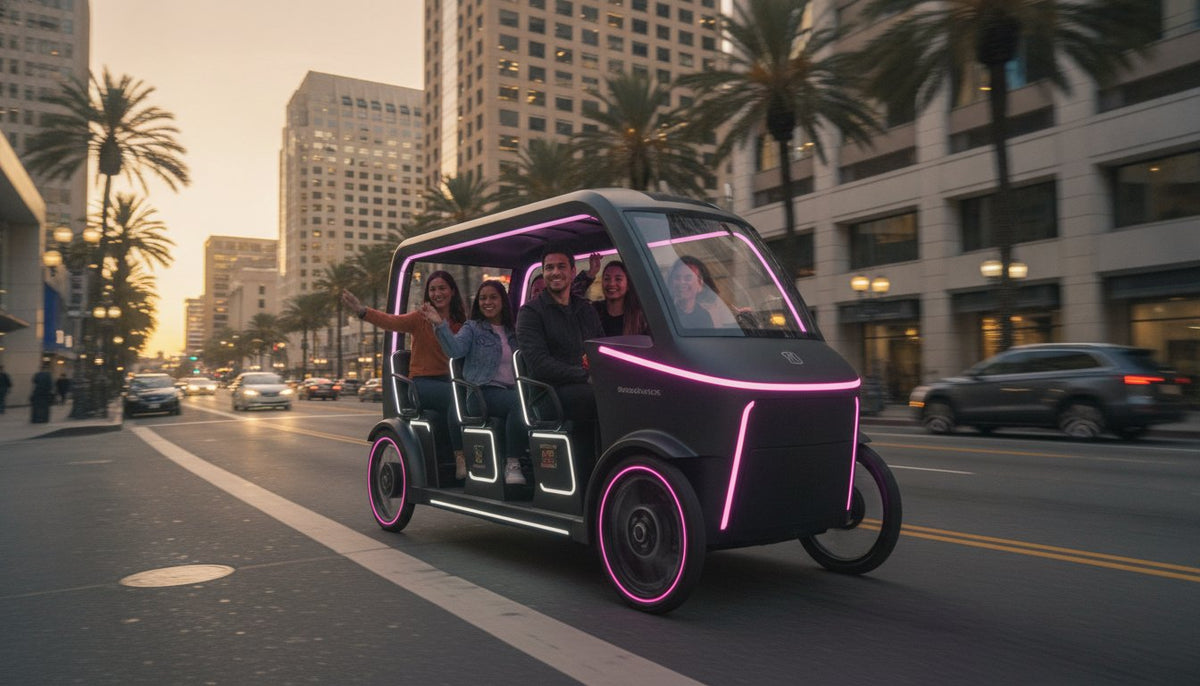
If your event logistics rely on gas-guzzling shuttles or flimsy two-seat bikes, you aren't just losing time; you're hemorrhaging capital and professional authority. In the high-stakes environment of 2026 large-scale gatherings, deploying electric pedicabs for event transportation is no longer a niche sustainability play. It's a calculated industrial move for operators who demand high-performance results. You've likely felt the sting of soaring operational costs from traditional shuttles or the embarrassment of a pedicab fleet that fails halfway through a grueling twelve-hour shift. These are the common failures of a market that has outpaced consumer-grade equipment.
This guide serves as your authoritative blueprint for deploying high-capacity electric pedicab fleets that revolutionize crowd movement and maximize transit ROI. We'll move past the "green" buzzwords to focus on what matters: rugged engineering, passenger throughput, and the financial viability of industrial-grade vehicles like the CyberX and VorteX. You'll discover how to navigate the latest 2026 regulations while building a fleet that projects a dominant, professional brand image. It's time to replace inefficiency with the precision of a master practitioner who knows exactly what it takes to move thousands of people without missing a beat.
Key Takeaways
- Learn why 2026 event logistics require a shift from manual trikes to industrial-grade electric platforms for sustained performance and reliability.
- Optimize electric pedicabs for event transportation by matching specific vehicle configurations, such as the CyberX or VorteX, to your crowd density and throughput requirements.
- Gain a tactical advantage by navigating dense pedestrian arteries where traditional golf carts are restricted or physically unable to operate.
- Execute precise site surveys and fleet sizing calculations to maintain seamless passenger flow and eliminate transit bottlenecks during peak hours.
- Secure superior ROI by utilizing direct-to-operator fleet packages built on two decades of professional operational experience in the field.
The Evolution of Electric Pedicabs for Event Transportation
The industry has moved far beyond the quaint, human-powered trikes of the 1990s. While some still focus on the nostalgia of pedal power, professional operators understand that 2026 event logistics require high-torque, industrial-grade performance. The Evolution of Electric Pedicabs highlights a global transition from simple cycle rickshaws to sophisticated, electric-assist platforms capable of hauling heavy commercial loads. Today, electric pedicabs for event transportation are not just a sustainability play. They are a tactical necessity for bridging the critical last-mile gap in sprawling venues. These vehicles move passengers through narrow arteries where traditional buses simply cannot fit, effectively reducing venue congestion and eliminating the noise pollution that plagues gas-powered alternatives.
Why Traditional Shuttles are Failing Modern Events
Gas-powered shuttles are becoming an operational liability. They are loud, they emit fumes in pedestrian-heavy zones, and their restricted maneuverability creates massive friction in tight event layouts. When you analyze the cost-per-passenger, traditional transit often fails to justify its massive footprint. A single full-sized bus occupies the space of multiple 6-seat electric pedicabs, yet it lacks the agility to navigate through a dense crowd safely. We've seen operators struggle with the maintenance downtime of aging gas fleets, which is a direct hit to their ROI. Modern events demand a more nimble, rugged solution that doesn't compromise on passenger capacity or professional branding.
The Rise of Micro-Mobility in Professional Event Planning
Master transit plans now prioritize micro-mobility to ensure high passenger throughput across large-scale venues. It's about meeting strict sustainability mandates without sacrificing the high-performance reliability your clients expect. Professional planners are moving away from flimsy, consumer-grade bikes and toward hardware built for the grit of the street. Industrial-grade electric pedicabs are the definitive standard for 2026 event logistics, providing the durability needed for grueling twelve-hour shifts. This evolution is driven by entrepreneurial pragmatism. It's about deploying a fleet that works as hard as you do, ensuring every passenger is moved with precision and every contract is executed with the authority of a seasoned industry veteran.
Engineering for High-Volume Events: 3-Seat vs. 6-Seat Configurations
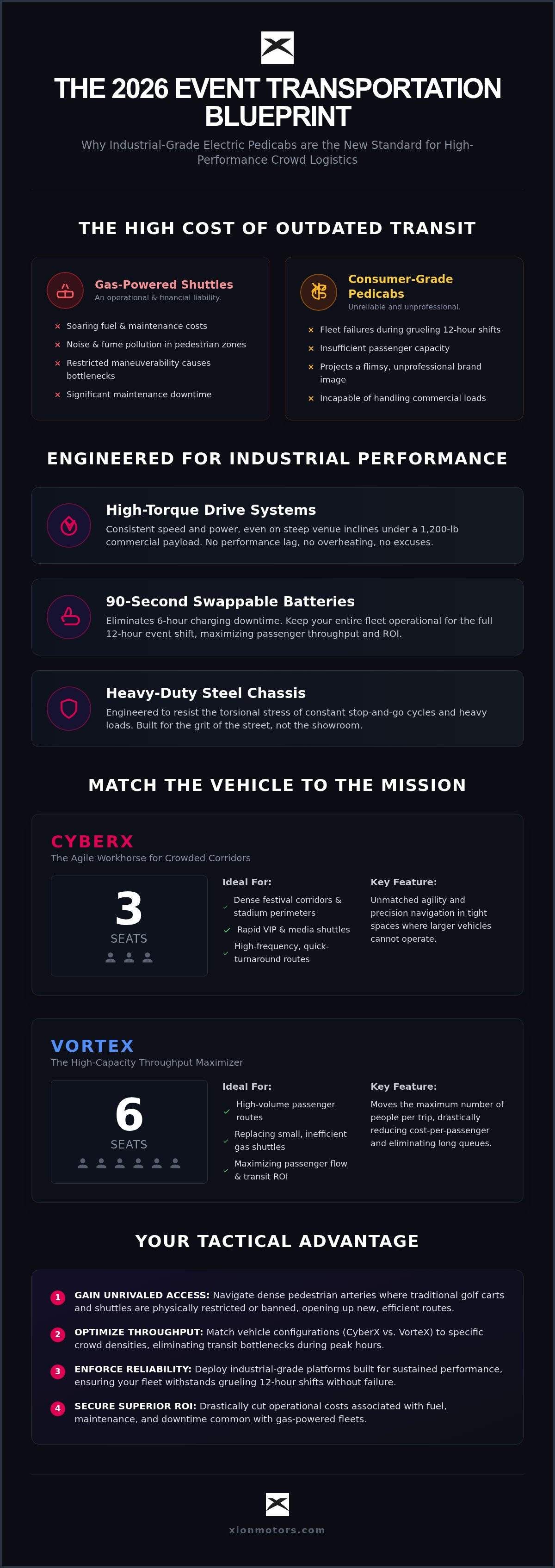
Engineering for electric pedicabs for event transportation isn't about aesthetics; it's about torque, structural integrity, and thermal management. If your motor cuts out under a 1,200-lb load on a hot afternoon, your transit plan is dead. We design our high-torque drive systems to handle massive payloads without performance lag, ensuring consistent speed even on steep venue inclines. This power is sustained by swappable battery systems. Instead of taking a vehicle out of service for a six-hour charge, operators swap power packs in ninety seconds. This keeps your fleet on the pavement for the full twelve-hour event shift. Understanding the Logistics of Event Transit means recognizing that downtime is the enemy of ROI. Every minute a vehicle sits idle is a minute of lost revenue and frustrated attendees.
Deploying a fleet of electric pedicabs for event transportation requires choosing the right tool for the specific terrain and crowd flow. You don't just need a bike; you need a mobile platform that can withstand the grit of industrial use.
CyberX: The Agile Workhorse for Crowded Corridors
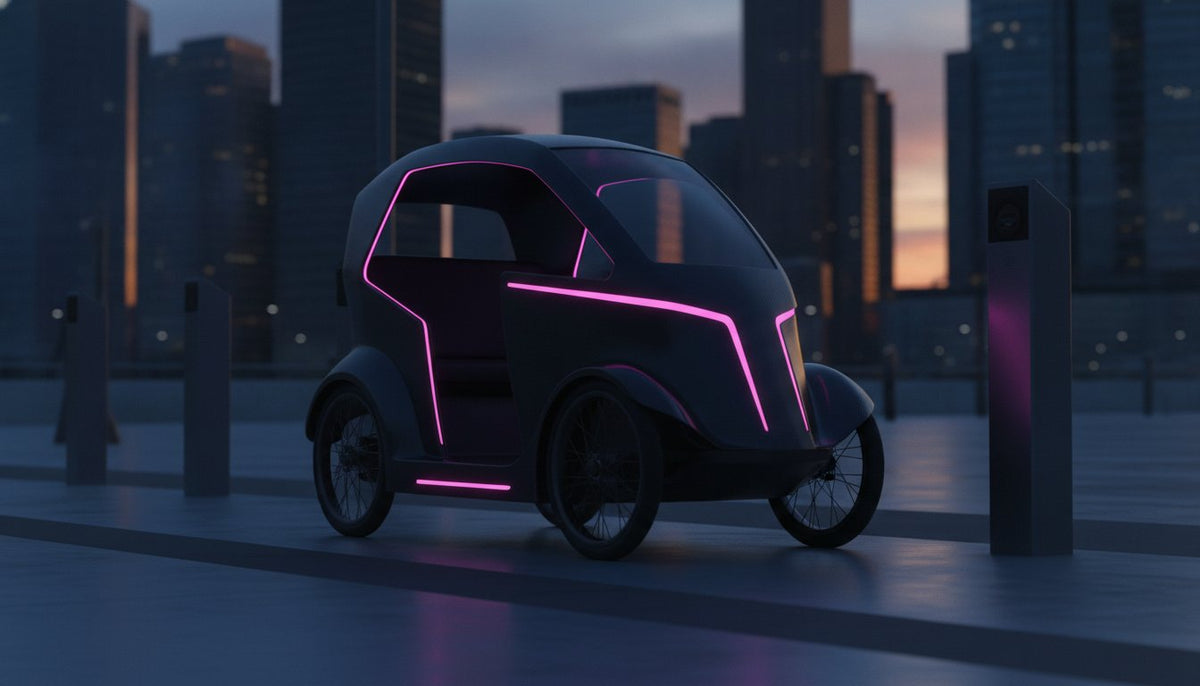
The CyberX 3-seat model is engineered for rapid, high-frequency deployment in dense environments. Its chassis durability is built on a heavy-duty steel frame that resists the torsional stress of constant stop-and-go cycles. In tight festival corridors or stadium perimeters, agility is paramount. The CyberX navigates these zones with a precision that larger vehicles can't match. It's the ideal choice for VIP transport, media shuttles, or quick-turnaround routes where speed and maneuverability are the primary metrics of success. This isn't a toy; it's a professional tool designed for operators who refuse to compromise on build quality.
VorteX: Maximizing Passenger Throughput
When the goal is mass crowd movement, the VorteX 6-seat configuration is the definitive industrial solution. It doubles your throughput per driver, a critical factor when labor is your highest operational cost. Doubling capacity doesn't mean sacrificing stability. The VorteX utilizes a wide-track rear axle and reinforced suspension to ensure 6-passenger safety under heavy load. For operators, this translates to a massive spike in revenue potential during peak demand windows. Moving six passengers at a time fundamentally changes the economics of event transit, turning a bottleneck into a high-efficiency revenue stream. It's a bold move for ambitious business owners who want to dominate their local market. If you're ready to scale, consider our industrial-grade fleet packages to secure the hardware your business deserves.
Electric Pedicabs vs. Golf Carts: The Logistics of Event Transit
Golf carts have long been the default for venue transit, but they are fundamentally ill-equipped for modern, high-density crowds. They are wide, cumbersome, and often restricted from the very pedestrian zones where transit is needed most. Industrial-grade electric pedicabs for event transportation offer a superior alternative by combining a narrow profile with a surgical turning radius. A pedicab can pivot in spaces where a golf cart would be forced into a multi-point turn, effectively eliminating bottlenecks in tight corridors. Safety and visibility are also vastly improved. Drivers sit in a position that allows for 360-degree awareness, ensuring they can react instantly to the unpredictable movements of event attendees.
The operational footprint of a pedicab fleet is another decisive factor for logistics managers. When Deploying a Professional Pedicab Fleet, you'll find that storage and charging requirements are far more efficient than traditional cart systems. You can park multiple units in the space required for a single utility vehicle. Because our systems utilize modular power, you don't need to dedicate massive floor space to charging bays. You simply rotate swappable battery packs at a centralized hub, keeping the vehicles on the pavement where they belong. It's a pragmatic approach to fleet management that prioritizes uptime and space optimization.
Navigating Legalities and Venue Restrictions
Organizers need to recognize that street-legal requirements for electric passenger trikes are often more favorable than those for motorized carts. In many jurisdictions, these vehicles are classified similarly to bicycles, granting them access to bike lanes and pedestrian-only arteries that are strictly off-limits to larger vehicles. ADA compliance is another vital consideration. While trikes serve as a primary transit tool, they also act as an essential accessibility bridge for attendees who can't navigate long distances on foot. From a liability standpoint, the controlled speed and high visibility of pedicabs often lead to more favorable insurance assessments compared to heavier, faster shuttles.
Branding and Sponsorship Opportunities
Every vehicle in your fleet represents a high-value mobile billboard. The rugged, industrial frames of the CyberX and VorteX are specifically designed to support full-coverage custom wraps that turn transit into an active revenue stream. You can integrate digital displays or static signage that captures the attention of every attendee on the grounds. This isn't just about moving people; it's about creating a premium, branded experience that sponsors are eager to fund. High-end transit aesthetics enhance the overall atmosphere of the event, positioning your operation as a sophisticated, tech-forward leader in the field.
Deploying a Professional Pedicab Fleet for Major Events
Successful deployment of electric pedicabs for event transportation begins with a surgical site survey. You must identify primary transit arteries and establish centralized charging hubs that minimize deadhead time. Precision is the difference between a smooth operation and a logistical nightmare. We've spent two decades refining the deployment blueprint to ensure zero-fail performance. Fleet sizing requires a cold analysis of expected attendance and peak flow windows. If your vehicle count is too low, you create bottlenecks; if it's too high, you waste capital. Every decision must be rooted in the practical reality of crowd movement.
Driver training is the next pillar of a professional operation. Your operators must be experts in navigating high-density environments while maintaining strict safety protocols. We recommend a standardized "first-mile" prep for every vehicle arrival to ensure structural integrity and safety. Maintenance logistics are equally critical. On-site kits should include rapid-response parts to handle the inevitable wear of 12-hour shifts. Industrial-grade engineering means fewer failures, but being prepared for the grit of the street is what defines a Master Practitioner. You don't just run a fleet; you manage a high-stakes transit network.
Optimizing Fleet ROI during Events
Revenue isn't just about passenger counts; it's about efficiency. Implement dynamic routing strategies to minimize empty miles and keep your vehicles in high-demand zones. Managing charging cycles is a tactical game. You must rotate swappable battery packs to ensure 100% fleet availability during peak event hours. Track your metrics with discipline. Analyzing passenger counts, trip times, and battery efficiency allows you to adjust your strategy in real-time. This level of management transforms a simple bike service into a high-performance logistics operation that delivers measurable returns.
Nationwide Deployment: Shipping and Setup
Scaling your business requires a partner who can handle the logistics of nationwide growth. We ship our electric pedicabs for event transportation to all 50 states, ensuring your fleet arrives ready for the job. Assembly is straightforward, but it requires a professional touch to meet commercial standards. Sourcing authentic replacement parts is the only way to ensure commercial continuity. Don't settle for generic components that compromise the safety and durability of your chassis. If you're ready to command your market with a professional-grade fleet, explore our comprehensive fleet packages today.
Scaling Your Event Transit with Xion Motors Fleet Packages
You don't just need a vendor; you need a partner who has spent two decades in the trenches. Xion Motors brings 20 years of operational street-knowledge to every transaction. We aren't just selling hardware. We're providing the tools we perfected during our own years of high-volume fleet management. By choosing our direct-to-operator sales model, you eliminate middleman markups and secure a significantly better ROI for your business. This isn't about "luxury" items for tourists. It's about high-performance electric pedicabs for event transportation designed to dominate the professional market.
Building a mixed fleet is the key to handling diverse event needs. A strategic combination of the agile CyberX for VIP shuttles and the high-capacity VorteX for mass transit allows you to capture every revenue stream available. We provide long-term support that ensures your vehicles stay on the street. With immediate parts availability and industrial-grade maintenance protocols, your fleet won't be sidelined by minor mechanical issues. We build these machines to be the backbone of a professional-grade transit operation that generates consistent, reliable results.
Industrial-Grade Engineering for Commercial Longevity
Generic frames fail under the stress of constant 1,000-lb loads. Xion Motors frames are engineered to outlast these flimsy alternatives through superior structural integrity and high-torque motor systems. These systems are specifically designed for the rigors of event transit, where stop-and-go cycles are frequent and heavy. Our 'Master Practitioner' philosophy means every vehicle build is informed by street-level reality. We know what breaks, so we build it better. This rugged authority is what separates a professional fleet from a hobbyist operation, ensuring your electric pedicabs for event transportation remain an asset rather than a liability.
Starting Your Event Transit Business
Launching a new operation requires more than just capital; it requires a strategy. When you consult with us, we help you determine the optimal fleet configuration and scaling path for your specific market. Leveraging our fleet pricing allows you to secure maximum upfront value, putting more vehicles on the ground for less capital investment. We're invested in your growth because we've been exactly where you are now. It's time to transition from planning to execution. Scale your event operations with Xion Motors Fleet Packages and establish your dominance in the industry today.
Dominating the Event Logistics Market
Transitioning from logistical theory to street-level execution requires hardware that doesn't quit. You've seen how industrial-grade engineering outclasses the flimsy alternatives that fail during grueling twelve-hour shifts. High-capacity models like the VorteX double your passenger throughput per driver; while agile units like the CyberX navigate the dense pedestrian arteries where traditional golf carts simply cannot operate. This isn't just about moving people. It's about deploying a tactical asset that enhances your brand's authority and secures your long-term financial viability.
Integrating electric pedicabs for event transportation is the most pragmatic move for operators who demand 2026 performance standards. Xion Motors supports your growth with 20+ years of industry expertise and custom industrial-grade engineering built for the grit of the street. We offer 50-state shipping and comprehensive support to ensure your fleet remains a dominant force in any venue. It's time to stop managing bottlenecks and start leading a high-efficiency transit network. Build your high-performance event fleet with Xion Motors and take command of your next major contract with confidence.
Frequently Asked Questions
Are electric pedicabs street-legal for event transportation?
Legality depends on local municipal codes, but most industrial-grade trikes are classified as bicycles or electric-assist cycles. In 2026, many cities have adopted specific standards for width and speed to ensure safety in public spaces. You should verify your local NEMA or DOT standards to ensure compliance. Our vehicles are engineered to meet these commercial requirements, allowing them to operate on public arteries where motorized traffic is often restricted.
How many passengers can a commercial electric pedicab carry?
High-capacity models are designed to carry either three or six passengers depending on the configuration. The CyberX is the standard three-seat agile workhorse, while the VorteX allows you to double your throughput with six seats. This scalability is vital for electric pedicabs for event transportation because it allows operators to match vehicle capacity to crowd density. Every build utilizes reinforced chassis components to handle these heavy commercial payloads safely.
What is the battery range of an industrial-grade pedicab during an event?
Battery range varies by load and terrain, but our swappable power systems eliminate range anxiety entirely. While a single charge can support several hours of high-torque operation, the true advantage is the ninety-second swap. You don't need to pull a vehicle from service to wait for a plug. By rotating modular power packs at your centralized hub, you can sustain a full twelve-hour shift without any operational downtime or loss in performance.
How do electric pedicabs compare to golf carts for event logistics?
Pedicabs offer a significantly smaller footprint and a tighter turning radius than traditional golf carts. This maneuverability allows them to penetrate dense pedestrian crowds where carts are physically blocked or legally prohibited. Additionally, the open-air design and high-visibility profile make them safer for high-traffic zones. Operators choose electric pedicabs for event transportation when they need to bridge the last-mile gap without the noise and bulk of motorized utility carts.
Can Xion Motors ship a full fleet of pedicabs to any state?
We ship our industrial-grade fleet packages to all 50 states via professional freight carriers. Every vehicle is crated to prevent damage and arrives ready for final assembly and first-mile preparation. Whether you are launching a new startup in the Northeast or scaling an existing operation in the South, our logistics team ensures your hardware arrives on schedule. If you plan on hauling your own fleet between event locations, visit ProPride, Inc. to ensure you are up to date on trailer towing laws by state. We provide the same level of support and parts availability regardless of your geographical location.
Routine maintenance focuses on brake pad wear, tire pressure, and chain tension to ensure peak performance. Industrial-grade builds require less frequent intervention than consumer bikes, but high-volume event shifts demand a disciplined schedule. You should keep on-site kits with essential replacement parts like tubes and cables. Because we utilize standardized vehicle parts, your technicians can perform rapid-response repairs without waiting for specialized components to arrive from overseas suppliers.
Are there sponsorship opportunities for event pedicab fleets?
Pedicab fleets function as high-value mobile billboards that sponsors are eager to fund. The rugged frames of our vehicles are designed for full-coverage vinyl wraps and integrated digital displays. This turns your transit operation into a dual-revenue stream business. You earn from passenger fares while simultaneously collecting advertising fees. This model often pays back the initial vehicle investment much faster than traditional transportation services that lack such high-visibility branding surfaces.
Do I need a special license to operate an electric pedicab at an event?
Licensing requirements vary by jurisdiction, but most cities require a standard motor vehicle driver's license for operators. Some major municipalities have established specific pedicab driver permits and registration plates to manage commercial traffic. You must check the local ordinances for the specific city where your event is held. We recommend that all operators implement internal safety training protocols to ensure drivers can handle high-density crowds with professional precision and care.