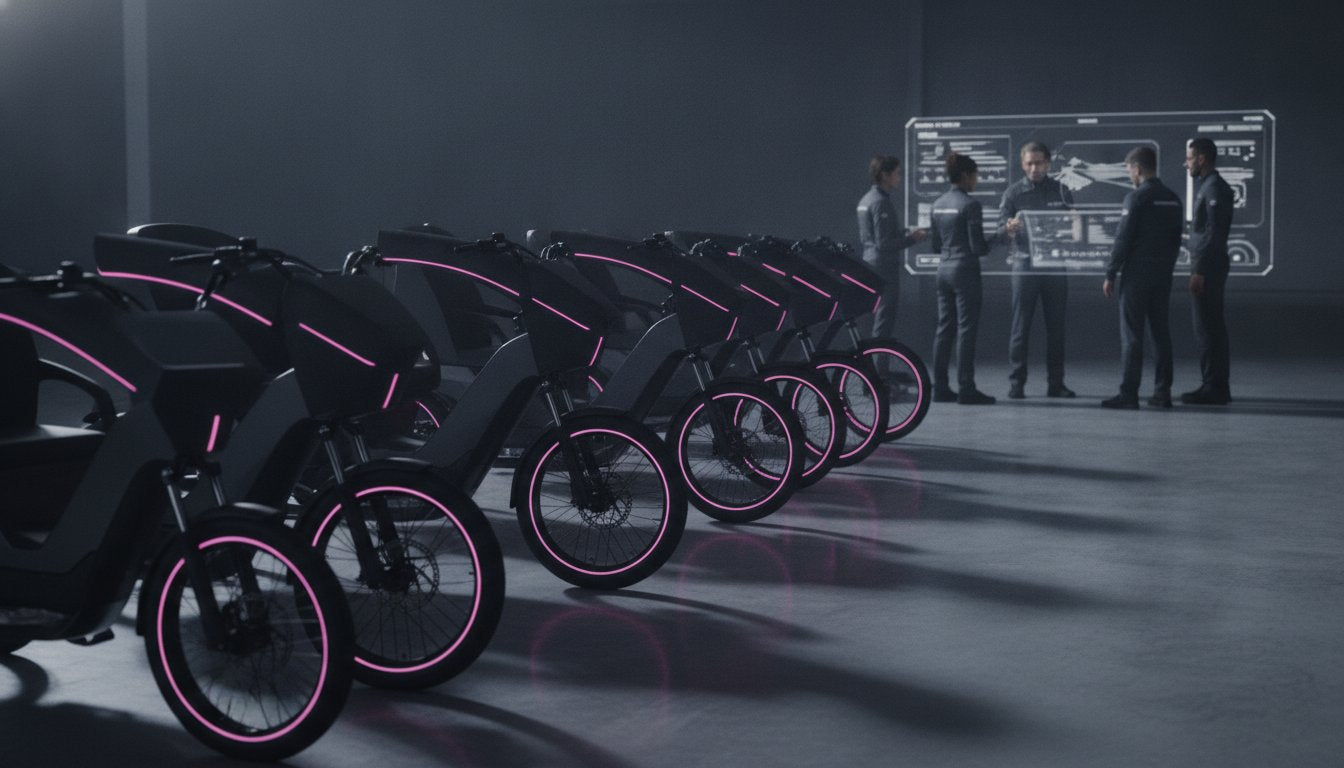
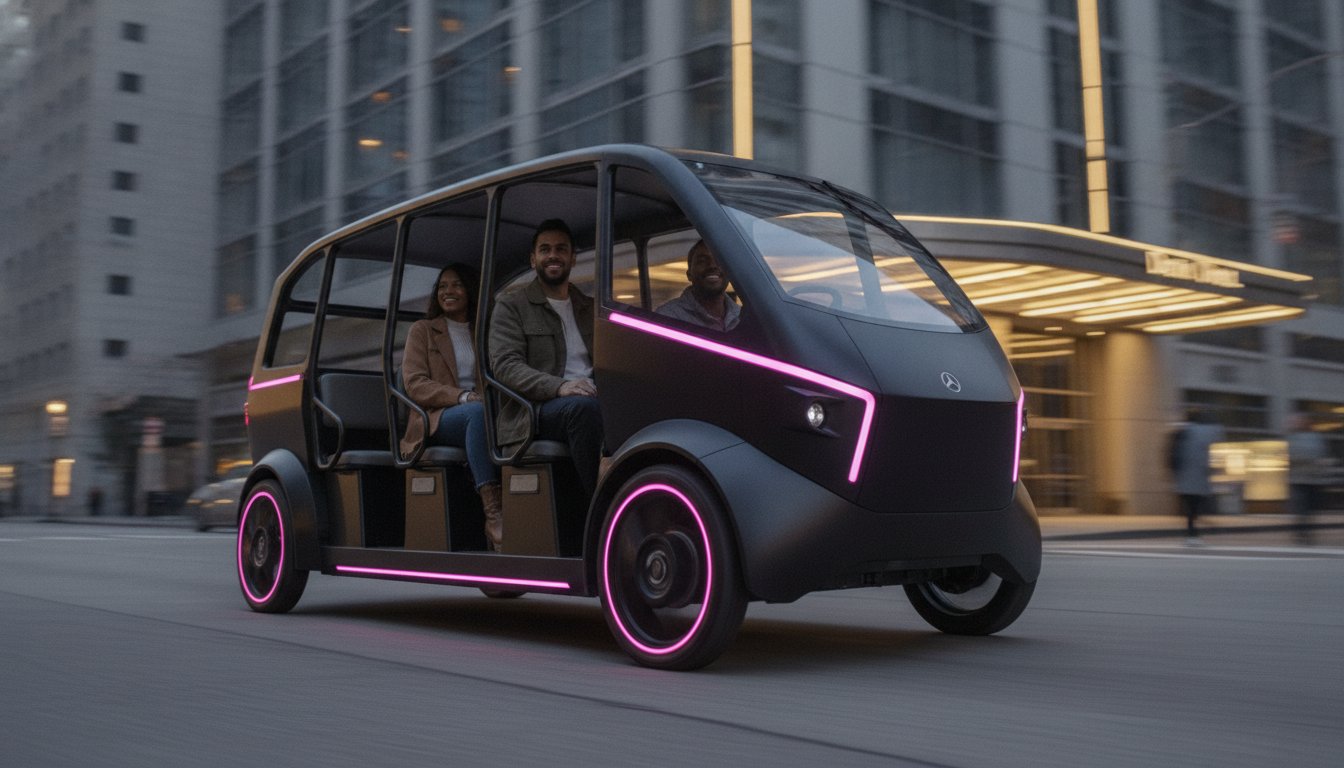
Your pedicab fleet is not just a transport service; it's a high-performance mobile real estate network. While most operators chase seasonal fares, industry veterans know that the real money lies in the 85% brand recall rate that this medium delivers. Generating consistent advertising revenue from pedicabs is the definitive way to stabilize your cash flow and neutralize the sting of high equipment costs. You've likely felt the frustration of quiet months and the difficulty of pitching to national brands that don't yet see your value. It's time to stop thinking like a driver and start operating like a media mogul.
This guide provides the blueprint to transform your electric fleet into a high-yield billboard network that generates reliable monthly returns. You'll learn how to establish a passive income stream that covers your vehicle financing while mastering the professional language of national advertisers. We'll analyze the CPM value of your impressions, explore how industrial-grade vehicles like the VorteX maximize your available surface area, and show you how to build a professional pitch deck that commands authority in the boardroom. The market is ready for a more engaging form of outdoor advertising, and your fleet is the solution.
Key Takeaways
- Master the shift from simple transport to a high-performance OOH media network by leveraging human-scale impressions that command an 85% brand recall rate.
- Maximize your advertising revenue from pedicabs by deploying high-capacity vehicles like the VorteX, which provide 40% more surface area for premium full-vehicle wraps.
- Implement professional pricing strategies that transition your business from fluctuating seasonal fares to consistent, high-value contracts with national brands.
- Protect your revenue streams by investing in industrial-grade equipment that guarantees the 95% uptime required to satisfy rigorous advertiser service-level agreements.
The Business Case for Advertising Revenue from Pedicabs
Stop viewing your fleet as a simple taxi service. It's a high-yield asset class. The Cycle rickshaw has evolved from a basic utility into a sophisticated marketing vehicle. Unlike static billboards that drivers ignore at 70 mph, pedicabs operate at eye level in the most congested, high-value entertainment districts. This is premium Out-of-Home (OOH) marketing where the dwell time isn't measured in seconds, but in minutes of sustained engagement. When you control the medium, you control the valuation. Brands aren't just buying a sign; they're buying a presence in the streets where their customers live and play.
Generating consistent advertising revenue from pedicabs allows you to pivot from a labor-intensive service model to a scalable media business. Traditional billboards are dying because they lack context. A pedicab provides "experiential marketing" by becoming part of the city's fabric, offering brand storytelling through a human connection. This isn't just about sticking a logo on a frame. It's about precision-engineered visibility that stays on the road when it matters most. By leveraging the industrial-grade chassis of a professional fleet, you ensure that the advertiser's message is never sidelined by equipment failure.
The Shift to High-Performance Mobile Media
Modern marketing is undergoing a seismic shift. Brands are exhausted by the diminishing returns of digital ad spend and are pivoting back to physical reality. A moving billboard in a high-traffic zone creates a psychological impact that stationary signs can't match. Pedicabs provide a human-scale advantage by placing a brand's message directly within the pedestrian's line of sight, offering a level of intimacy and interaction that massive bus wraps simply cannot replicate. This proximity drives engagement. When a potential customer is inches away from a high-definition wrap, the brand recall isn't just improved; it's guaranteed. It's the difference between being seen and being remembered.
Diversifying Your Revenue Streams
Your ability to secure long-term profitability depends on how well you balance your income sources. Passenger fares are subject to the whims of the weather and tourist seasons, creating a "feast or famine" cycle that kills growth. Fixed monthly advertising contracts provide the floor that keeps your operation profitable year-round. An industrial-grade vehicle like the VorteX is built for this exact purpose. Its massive side panels offer 40% more wrap surface than standard trikes, allowing you to command higher contract values from sophisticated agencies. When a single ad contract can cover the entire monthly financing of a vehicle, you've achieved true financial viability. You aren't just driving for tips anymore; you're managing a high-performance mobile billboard network.
Types of Pedicab Ad Inventory: From Wraps to Digital
The Out of Home Advertising Association of America recently highlighted that OOH revenue has hit a record $9.46 billion. This isn't just a statistic; it's a clear signal that brands are hungry for real-world dominance. To maximize your share, you must view your fleet as a modular inventory system. You aren't just selling a ride; you're selling a high-impact canvas that moves with the crowd. Diversifying your inventory allows you to pitch to both local businesses and global agencies, ensuring that every square inch of your vehicle is working to generate advertising revenue from pedicabs.
- Full Vehicle Wraps: The gold standard for brand immersion. These wraps provide 360-degree visibility and transform the vehicle into a singular brand statement.
- Partial Panels and Rear Displays: High-utility, entry-level options. These are perfect for local businesses looking for consistent visibility in specific entertainment districts.
- Wheel Covers and Flag Mounts: Kinetic elements that catch the eye from a distance. Utilizing these small spaces creates a layered, professional look that advertisers respect.
- Experiential Upsells: This moves beyond the wrap. Drivers become brand ambassadors, distributing product samples or wearing custom uniforms to deepen the engagement.
The Evolution of the Full Wrap
Material science has fundamentally changed the game for fleet operators. In 2026, we utilize high-durability vinyl that doesn't just look sharp; it protects the vehicle’s chassis from the daily grind of city streets. Designing for the unique, aggressive geometry of electric trikes like the CyberX requires precision. A professional wrap enhances the perceived value of your entire fleet, signaling to premium clients that you operate at a higher standard. Scaling your inventory starts with the right foundation; our Electric Pedicabs are engineered to provide the maximum possible canvas for these high-value wraps.
Integrating Digital and Social Media
Static signs are the baseline, but digital integration is where the highest margins live. Smart operators now use QR codes on wraps to bridge the gap between physical impressions and digital conversions. This turns a passing glance into a trackable lead, further boosting the total advertising revenue from pedicabs for your fleet. We also focus on the "earned media" factor. By designing wraps that are visually striking and "Instagrammable," you encourage passengers to share their ride on social media, effectively turning every passenger into a secondary advertiser. For the highest tier of engagement, integrating digital tablets for passenger interaction provides a level of data and dwell time that traditional media can't touch. It's about creating a multi-channel experience that justifies premium contract rates.
To effectively manage digital tablets and interactive screens across a mobile fleet, you can visit Zoney to explore scalable signage software and media player solutions.
Calculating ROI: 3-Seat vs. 6-Seat Revenue Potential
Size isn't just about passenger comfort. In the competitive world of urban marketing, your vehicle's dimensions are the primary driver of its valuation. While a nimble 3-seat model like the CyberX is a high-performance tool for tight city corridors, the 6-seat VorteX fundamentally alters the math of your business. Media buyers and agencies look for dominance, and a larger vehicle provides the "billboard" presence required to command top-tier rates. According to standards set by the Out of Home Advertising Association of America (OAAA), the value of an OOH asset is tied directly to its visibility and impact. By deploying high-capacity trikes, you aren't just moving more people; you're expanding your mobile real estate.
Generating consistent advertising revenue from pedicabs requires an understanding of how physical dimensions translate to dollar signs. A standard trike offers a respectable canvas, but the VorteX provides a "double-wide" impact that captures attention from across the street, not just the sidewalk. This increased scale is what allows you to move from small local contracts to lucrative national campaigns. When you present a fleet of 6-seat vehicles to a brand, you're offering a moving mural that rivals the visibility of a bus wrap but with the intimacy of a pedestrian interaction.
The Surface Area Advantage
The engineering of your fleet dictates your maximum revenue ceiling. When comparing the CyberX and the VorteX, the difference in side-panel square footage is the deciding factor for premium advertisers. The high-capacity 6-seat VorteX models increase wrap surface area by an estimated 40 percent compared to traditional trikes. This extra space isn't just for show; it's the specific metric that agencies use to calculate their reach and brand recall. The VorteX chassis acts as the ultimate industrial-grade canvas, engineered specifically to handle the structural demands of massive, high-definition vinyl wraps while maintaining peak operational uptime. Advertisers pay a premium for this increased presence because it ensures their message isn't lost in the visual noise of a crowded city.
Fleet ROI Projections
Scalability is where the "Master Practitioner" separates themselves from the casual operator. Industry data from established markets like San Diego shows that a single pedicab can generate between $30,000 and $35,000 in annual revenue, with advertising often accounting for as much as 60 percent of that total. For an operator managing 10 vehicles, this creates a base of $300,000 to $350,000 in gross annual revenue. However, by utilizing 6-seat models, you can unlock "Title Sponsorship" packages. These are exclusive contracts where a single brand takes over the entire fleet for a major event or a full season. A 3-seater simply cannot support the visual weight required for these high-dollar deals. To understand how to build this kind of professional infrastructure, see our guide on Scaling Operations with Electric Pedicab Fleet Packages. Investing in the right equipment today ensures you aren't just chasing fares, but maximizing the total advertising revenue from pedicabs through superior inventory.
Strategic Pricing: How to Sell Your Ad Inventory
Stop hiding your value behind a "contact us for pricing" button. Professional media buyers and CMOs operate on data, not ambiguity. To capture high-level budgets, you must present a transparent, market-based pricing structure that reflects the premium nature of your fleet. Generating advertising revenue from pedicabs isn't about guessing what a client will pay; it's about quantifying the reach and impact of your mobile real estate. Your pricing should fluctuate based on market demand, specifically distinguishing between standard seasonal contracts and high-impact event-driven packages.
You have two primary paths: the "Per-Vehicle" model and the "Full-Fleet" buyout. While selling individual wraps to local businesses provides a steady baseline, the most successful operators focus on full-fleet dominance. National brands don't want to share the street with competitors. They want to own the visual landscape of an entire district. By offering a full-fleet package, you simplify the advertiser's logistics and provide a massive, cohesive brand presence that justifies a significant premium. For high-impact corporate activations, consider bundling "Ride-for-Free" sponsorships. In this model, the advertiser covers the passenger fares, turning your fleet into a high-visibility public service that generates immense goodwill and brand loyalty.
Building Your Rate Card
A professional rate card is your most effective sales tool. It should clearly outline the factors that drive your pricing: prime location coverage, event frequency, and your guaranteed vehicle uptime. Don't leave your margins to chance. Structure multi-month discounts to incentivize longer commitments, ensuring your fleet generates revenue even during off-peak months. It's also vital to incorporate production costs, such as the printing and professional installation of high-durability vinyl, directly into your contract terms. This transparency builds trust and ensures that the technical execution of the campaign matches the quality of your industrial-grade equipment.
The Professional Pitch Deck
CMOs buy results, not just "cool" vehicles. Your pitch deck must lead with essential metrics, including estimated impressions per shift and detailed passenger demographics. Visualizing the brand's impact is critical for closing the deal. Use high-fidelity mockups of the CyberX to show potential clients exactly how their creative will dominate the street. This professional approach moves the conversation from "transportation" to "media asset." If you're building your business from the ground up, follow our guide on How to Start a Pedicab Company to ensure your operational foundation is ready for national-scale contracts. To deploy the hardware that backs up these premium rates, explore our Pedicab Fleet Packages and secure your market position today.
Engineering for Uptime: Safeguarding Your Ad Contracts
A professional advertising contract is a legal commitment to visibility. When a brand signs a high-value deal, they aren't just paying for a vinyl wrap; they're paying for a guaranteed number of hours on the street. Sophisticated agencies in 2026 almost always include an "Uptime Clause" that demands 95% fleet availability. If your vehicles are sidelined by mechanical failure, you aren't just losing passenger fares. You're in breach of contract. Generating advertising revenue from pedicabs requires more than a sales pitch; it requires the structural integrity to stay in the line of sight for the duration of the campaign.
Cheap equipment is the fastest way to destroy your reputation with national advertisers. A single broken axle on a busy weekend doesn't just cost you a day of work. It triggers "make-good" clauses and damages the brand's trust in your operation. The Xion Motors advantage lies in our industrial-grade chassis engineering. We build vehicles that are designed for the high-volume commercial grind, ensuring that your advertiser's message remains mobile and visible when it matters most. Reliable hardware is the foundation of a stable media valuation.
Durability as a Revenue Driver
The CyberX chassis is engineered to withstand the rigors of 24/7 commercial operation in dense urban environments. Every hour a vehicle spends in the shop is "dark time" for an advertiser, representing a direct hit to your bottom line. When calculating the cost of downtime, you must account for the proportional loss of ad revenue alongside repair expenses. Maintaining peak performance is a strategic necessity. To keep your fleet in top condition, refer to our Electric Pedicab Maintenance Guide for sustaining industrial-grade performance.
Protecting the Brand Asset
Your vehicles are the face of the brand you're representing. A torn wrap or a dirty frame communicates negligence and devalues the advertising revenue from pedicabs you've worked so hard to secure. Professional maintenance protocols must include daily cleaning and immediate wrap care to keep the graphics looking pristine. Using authentic vehicle parts for repairs ensures that your fleet operates with the smoothness and professionalism that premium clients expect. For a deeper look at managing a high-capacity operation, see The 2026 Guide to 6 Seat Electric Pedicab Fleet Operations. Protecting the physical asset is the final step in securing long-term, high-yield advertising partnerships.
Dominating the Urban Media Landscape
Transitioning your fleet into a high-yield media network isn't a matter of luck; it's a direct result of deliberate engineering and strategic market positioning. You've seen how the 6-seat VorteX provides a "double-wide" billboard effect that captures 40% more surface area than standard trikes. You also understand that maintaining a high uptime rate is the only way to safeguard your contracts with national brands. Maximizing your advertising revenue from pedicabs requires a shift from a driver-centric mindset to one focused on industrial-grade media assets. High-performance hardware is the only foundation that supports premium valuations.
Success in this market demands equipment that doesn't quit. With over 20 years of fleet operations experience, we build our vehicles to handle the professional grind. Our CyberX and VorteX models are proudly manufactured in San Diego, USA; we also offer direct-to-operator fleet pricing to ensure your margins stay healthy. Explore our Industrial-Grade Fleet Packages to Maximize Your ROI and start building your mobile real estate empire today. The streets are waiting for a brand that moves with purpose.
Frequently Asked Questions
How much advertising revenue can a single pedicab generate per month?
A single pedicab typically generates between $2,500 and $3,000 in monthly advertising revenue in established urban markets. This baseline accounts for standard local contracts and consistent route coverage. During major conventions or sporting events, these rates can surge as brands pay significant premiums for short-term dominance in high-traffic entertainment districts.
Do I need a special permit to sell advertising on my pedicabs?
Permit requirements are dictated by local municipal codes and vary significantly from city to city. For example, New York City prohibits reflective or illuminated advertisements; Chicago implemented specific amendments to its pedicab ordinances in July 2025. You must consult your local transportation authority to ensure your ad inventory complies with current zoning and safety regulations before signing contracts.
What is the average cost of a full vehicle wrap for an electric pedicab?
A high-durability vinyl wrap generally ranges from $1,200 to $2,500 depending on the design's complexity and the material quality used. Complex wraps featuring 3D elements or specialized textures can add between $200 and $800 to the total production cost. Investing in professional-grade installation is a strategic necessity to protect the vehicle's finish and maintain a premium brand image.
How do I track impressions for my advertisers?
Impression tracking is managed through a combination of GPS route logging and localized pedestrian traffic data. By providing advertisers with heat maps and verified "proof of presence" reports, you can justify your rates with concrete numbers. Many operators use this data to demonstrate exactly where the advertising revenue from pedicabs is most effectively generated within a specific district.
Can I sell digital advertising on my pedicab fleet?
Yes, digital screen integration is a high-margin upsell that allows for dynamic video content and interactive passenger engagement. These displays are particularly effective for "experiential" campaigns that require real-time updates or QR code activations. However, it's critical to verify local regulations first, as some jurisdictions have strict prohibitions against animated or illuminated signage on the move.
Which industries are the best targets for pedicab advertising?
Entertainment brands, beverage companies, and hyperlocal services are the most consistent and high-value targets. Brands in these sectors prioritize the 85% recall rate that pedicabs offer compared to the diminishing returns of static billboards. Any industry looking to create a "human-scale" connection with pedestrians in high-density areas will find your fleet to be a premier marketing asset.
Does the 6-seat VorteX offer more ad space than the 3-seat CyberX?
The 6-seat VorteX provides significantly more real estate, offering approximately 40% more wrap surface area than the 3-seat CyberX. This increased square footage allows you to pitch your vehicles as "double-wide" mobile billboards, which naturally commands higher contract values from national agencies. While the CyberX is built for nimble urban navigation, the VorteX is the definitive tool for maximizing advertising revenue from pedicabs.
How do I handle wrap installation and removal without damaging the vehicle?
Safe installation requires the use of high-quality, repositionable vinyl and precise heat-application techniques. Our industrial-grade body panels are engineered to withstand the rigors of the wrap process, but you should always employ professional installers to ensure a clean finish. Regular maintenance with non-abrasive cleaning solutions prevents the vinyl from bonding permanently, allowing for seamless removal when a contract ends.