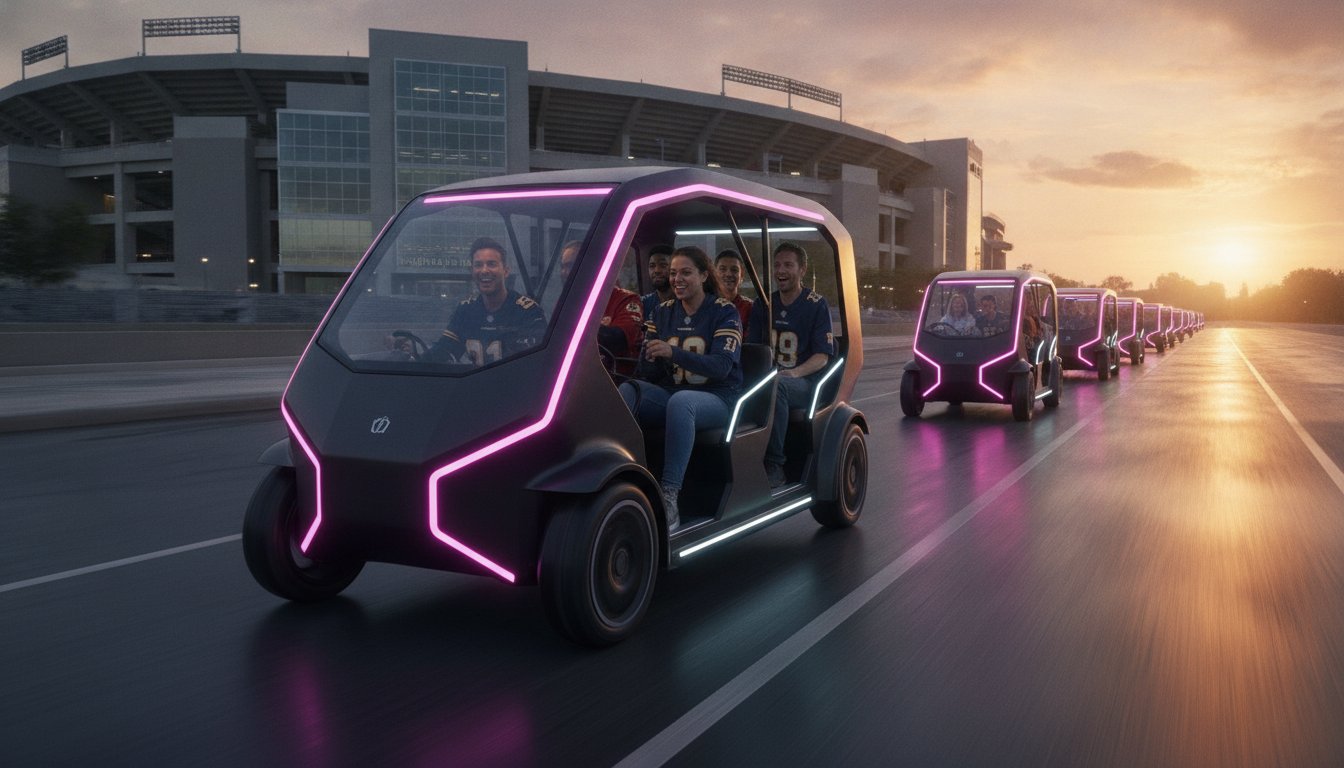
A bicycle with a motor is a toy, but an industrial-grade electric pedicab is a high-performance revenue machine built for the relentless demands of 2026 commercial transit. You already know that the difference between a profitable season and a logistical nightmare is often a single hour of unplanned downtime. Mastering electric pedicab fleet management requires moving beyond the hobbyist mindset and adopting the rigorous precision of a professional transit operator. It's about ensuring your assets stay on the street when passenger demand is at its peak.
This guide provides the industrial blueprint you need to achieve high-uptime operations and maximize your fleet's earning potential. We'll show you how to implement zero-downtime maintenance protocols, manage 72V energy logistics for double-shift reliability, and select hardware that withstands 1,000-pound payloads. From chassis durability to energy density, we're detailing the proven strategies that turn a fleet into a scalable, high-capacity commercial powerhouse. This is the operational foundation for the next generation of urban mobility.
Key Takeaways
- Master the transition from hobbyist trikes to industrial-grade electric pedicab fleet management by prioritizing high-torque 72V drive systems engineered for commercial durability.
- Understand the critical role of 4130 Chromoly steel chassis in maintaining structural integrity and passenger safety during grueling 12-hour shifts.
- Deploy a 'Zero-Downtime' maintenance schedule and strategic battery rotation to ensure your vehicles remain on the street during peak revenue hours.
- Analyze the superior ROI of 6-seat electric pedicabs and learn how professional driver management elevates the passenger experience in high-volume districts.
- Leverage direct-to-operator fleet packages to scale your business rapidly with proven hardware and veteran operational support.
The Transition to Industrial-Grade Electric Pedicab Fleet Operations
Professional electric pedicab fleet management isn't about maintaining bicycles; it's about coordinating a fleet of high-uptime industrial transit vehicles. For decades, the cycle rickshaw was viewed through a lens of "eco-whimsy," a niche alternative for tourists or a hobby for enthusiasts. That era is dead. In 2026, successful operators treat their fleets like light-rail systems on wheels. If your vehicles aren't built to industrial safety standards, your business is a liability, not an asset. Profitability in this sector starts with hardware that can survive the street. We've spent 20 years in the trenches of fleet operations, and the lesson is clear: equipment is the foundation of your ROI.
Why Manual and Low-Voltage Systems are Obsolete
Consumer-grade e-bike components are the primary cause of maintenance-induced bankruptcy in this industry. When you're hauling a 1,000-pound payload during a 12-hour commercial shift, standard chains, spokes, and low-voltage motors disintegrate. A 24V or 36V system might work for a solo commuter. It won't survive the torque requirements of a 6-passenger shuttle in a high-volume district. This is where industrial pragmatism beats green idealism. High-performance electric pedicab fleet management requires 72V drive systems and chassis built from 4130 Chromoly steel. These materials handle the constant frame stress and motor heat that melt inferior hardware. If you're swapping parts every week, you aren't running a business; you're running a repair shop.
The 2026 Regulatory Landscape for Commercial Trikes
The regulatory environment for urban mobility has matured. In 2026, major cities and entertainment districts are mandating strict safety standards for high-capacity electric trikes to manage traffic flow and passenger safety. Obtaining district permits and fleet insurance now hinges on certifications like UL 2849. Operators who rely on "modified" bikes or uncertified imports find themselves locked out of lucrative zones due to non-compliance. Industrial-grade builds simplify this process. They're designed from the ground up to meet street-legal requirements. This ensures your fleet stays operational in the most profitable urban corridors without the threat of sudden regulatory shutdowns. Professionalism isn't just about how you drive; it's about the engineering you bring to the pavement.
Engineering Uptime: The 72V Architecture and Structural Integrity
Uptime is the only metric that matters in commercial transit. If your vehicles are in the shop, they aren't generating revenue. Achieving zero-downtime electric pedicab fleet management starts with the electrical architecture. While the industry standard often hovers around 48V, true industrial performance requires a 72V high-torque drive system. This isn't about speed; it's about thermal efficiency and the raw power needed to move 1,000-pound payloads up urban inclines without cooking the motor. High-voltage systems operate with lower current for the same power output. This reduces heat buildup, which is the silent killer of electric drivetrains in double-shift operations.
Structural failure is the other major threat to fleet longevity. We build our chassis from 4130 Chromoly steel because it offers a superior strength-to-weight ratio compared to standard mild steel or aluminum. It's the same material used in roll cages and high-end aerospace applications. In a high-vibration urban environment, frame fatigue is inevitable with inferior materials. Our engineering philosophy, embodied in the CyberX, focuses on the "Long Haul." We prioritize over-engineered joints and gusseting to ensure the vehicle remains rigid under maximum passenger loads. This technical depth is essential when navigating the evolving legal and regulatory frameworks that now demand higher safety ratings for micromobility fleets.
Drive System Performance and High-Torque Capabilities
The difference between 48V and 72V is most apparent during acceleration. A 72V system provides the snap needed to merge into city traffic safely. Precision-built drivetrains also reduce mechanical wear. By tuning the motor for specific torque curves, we minimize the stress on chains and sprockets during stop-and-go transit. This industrial motor tuning doesn't just protect the hardware; it optimizes battery efficiency. You get more miles per charge because the system isn't struggling at its limit. It’s about working smarter, not harder.
Chassis Care and Structural Integrity Protocols
Even the toughest frame requires a protocol. High-vibration environments can loosen fasteners and stress weld points over time. For 6-seat configurations, the stress points are concentrated around the rear axle and main pivot. We recommend weekly visual inspections of all critical junctions. Xion Motors utilizes industrial-grade materials specifically to prevent frame fatigue before it starts. If you want to see how these engineering standards translate to real-world profitability, explore our professional-grade electric pedicabs today.
Operational Logistics: Managing Energy Cycles and Maintenance
High-performance electric pedicab fleet management is won or lost in the shop and the charging bay. If your vehicles are sitting idle while batteries slow-charge, you're hemorrhaging potential revenue. Professional logistics in 2026 demand a shift from "on-vehicle" charging to a disciplined battery swap system. By maintaining a 1.5:1 or 2:1 battery-to-vehicle ratio, you ensure that fresh 72V packs are always ready for the next shift. This rotation strategy supports 24/7 double-shift operations, keeping your assets on the street during peak demand hours when passenger volume is highest. It’s about maintaining operational momentum through calculated energy logistics.
Battery Management and Energy Logistics
Don't treat industrial lithium-ion packs like disposable consumer electronics. Commercial continuity depends on maximizing the lifecycle of your energy assets. We recommend charging protocols that avoid full depletion; pulling a battery at 20% and charging to 90% can significantly extend cell longevity. Use data-driven fleet tools to monitor voltage sag and internal resistance across your inventory. If a pack shows inconsistent discharge patterns, decommission it for testing immediately. A failing battery on the street isn't just a service delay. It’s a logistical failure that compromises your brand’s reputation for reliability.
Scheduled Maintenance for Industrial Continuity
A "Zero-Downtime" maintenance schedule is proactive by design. You don't wait for a component to fail; you replace it based on rigorous mileage and load-hour benchmarks. Following a professional Electric Pedicab Maintenance Guide allows your team to catch wear before it becomes a hazard. This disciplined approach is essential for staying compliant with evolving municipal pedicab regulations, which often require documented safety inspections for permit renewals in high-traffic districts. Your inspection checklists should prioritize three critical areas:
- Braking Systems: Inspect hydraulic lines and pad thickness weekly. Heavy-duty 1,000-pound loads demand absolute stopping precision.
- Drivetrain Lubrication: Clean and lubricate high-torque chains every 100 miles to prevent premature sprocket wear.
- Tire Pressure: Maintain maximum rated PSI to reduce rolling resistance and optimize battery range.
Authentic vehicle parts are the final pillar of commercial continuity. Substituting industrial-grade components with generic bicycle parts is a dangerous shortcut that leads to catastrophic failure under commercial stress. We provide specialized replacement hardware designed for the specific torque and weight requirements of our trikes. Training your in-house mechanics to handle 72V electrical systems safely ensures that repairs are done right the first time. Keep your fleet's integrity intact by using the same engineering standards for maintenance that we used for the original build.
Revenue Optimization and Driver Management Strategies
Revenue is the ultimate metric for any commercial operator. A single industrial vehicle can generate between $30,000 and $35,000 annually when managed with precision. This isn't a projection; it's the 2026 standard for professional electric pedicab fleet management. Success depends on maximizing the utility of every seat and every square inch of the chassis. By diversifying income through passenger fares, advertising wraps, and high-value event contracts, you transform your fleet from a simple transit service into a mobile marketing powerhouse. You aren't just moving people; you're managing a high-visibility revenue engine.
Maximizing Passenger Throughput and Seat ROI
In high-volume tourism hubs, the math heavily favors the 6 seat electric pedicab. While a 3-seat model offers agility, the 6-seat configuration allows you to capture large groups in a single trip. This effectively doubles your throughput during peak 15-minute windows, which are typically priced at $15 per passenger. For operators targeting specialized, high-margin services, the Custom VorteX Trike provides the engineering flexibility needed for VIP transport or unique brand activations. Data-driven scaling is essential here. Analyze seasonal transit patterns to deploy your assets where they earn the most. Event contracts for professional fleets can range from $1,500 to over $25,000 per event, providing the capital needed for rapid fleet expansion.
Driver Retention and Performance Standards
Drivers are the front-line maintainers of your assets. They shouldn't be viewed as mere laborers; they are operators who must be trained as "Master Practitioners." Standardizing customer service protocols builds the brand loyalty necessary for repeat business and high-value tips. To protect your investment, implement the following strategies:
- Performance Bonuses: Incentivize vehicle care and safety by tying bonuses to clean maintenance logs and positive passenger feedback.
- Advertising Revenue Sharing: Fleet wraps can generate between $500 and $3,000 per vehicle each month. Sharing a percentage of this passive income with drivers encourages long-term retention.
- Safety Certification: Require drivers to pass rigorous training on 72V system management and high-load braking techniques.
A disciplined driver who respects the machinery reduces your long-term repair costs and ensures the vehicle stays on the street. Ready to maximize your district's revenue potential? Explore our high-capacity electric pedicabs to see how industrial engineering drives commercial success.
Scaling Your Business with Xion Motors Fleet Packages
Scaling a commercial transit operation requires more than just capital; it requires a partnership with a veteran manufacturer. For entrepreneurs starting a pedicab company, the choice of hardware dictates the ceiling of your growth. Xion Motors provides the industrial foundation necessary to move from a local pilot program to dominant market leadership. Our specialized fleet packages are designed for high-performance electric pedicab fleet management, offering direct-to-operator pricing that eliminates the middleman and maximizes your initial investment. We've spent 20 years in the trenches of this industry, and we've refined our vehicles to be the most profitable assets on the pavement.
The Xion Motors Industrial Advantage
Cheap imports might look attractive on a spreadsheet, but they fail on the street. USA-manufactured quality isn't a luxury; it's a requirement for long-term ROI. We use 4130 Chromoly steel and 72V high-torque drive systems because they withstand the structural and electrical demands of 2026 urban transit. When you scale with Xion, you gain access to a reliable supply chain of authentic replacement parts and specialized support that keeps your fleet operational across all 50 states. We don't just sell vehicles. We provide the engineering depth required for commercial continuity. Every weld and every circuit is optimized for the rigors of high-capacity passenger transport.
Next Steps: From Pilot Program to Market Leadership
Market leadership begins with a strategic pilot fleet. We recommend a diversified mix of 3-seat and 6-seat configurations to test passenger demand across different districts. The CyberX and VorteX lines offer the flexibility to handle everything from standard urban shuttles to premium event contracts. With our industrial-grade durability, you can project a 5-year growth plan without the looming threat of fleet-wide mechanical failure. You're building a legacy, and we have the experience to help you execute it with precision. Don't settle for hobbyist equipment when your livelihood is on the line.
The 2026 market belongs to the operators who prioritize engineering over shortcuts. Invest in industrial-grade hardware and take control of your district today. Contact Xion Motors for a professional fleet consultation and let’s build your commercial future. Explore our full line of electric pedicabs to find the right configuration for your market expansion.
Dominate the 2026 Urban Transit Market
The era of treating pedicabs as novelty bicycles is over. To succeed in 2026, you must operate with the precision of a professional transit agency. This evolution demands a commitment to industrial-grade 72V systems and the structural integrity of 4130 Chromoly steel. Mastering electric pedicab fleet management means implementing rigorous battery rotation and zero-downtime maintenance protocols that keep your assets earning during peak hours. By prioritizing high-torque performance and high passenger capacity, you position your business to capture the highest possible ROI in any district.
Profitability isn't found in shortcuts; it's found in the engineering and operational depth of your fleet. Xion Motors provides the veteran expertise and rugged hardware you need to lead the market. We offer direct-to-operator pricing and industrial-grade 72V systems that are built to survive the street. With nationwide shipping to all 50 states, we're ready to help you expand your footprint immediately. It's time to stop managing a hobby and start leading an industry. Scale your operations with Xion Motors Fleet Packages and secure your commercial legacy today.
Frequently Asked Questions
What is the typical ROI for an industrial electric pedicab fleet?
A single industrial electric pedicab typically generates between $30,000 and $35,000 in annual revenue. This income stems from a combination of passenger fares, advertising wraps, and high-value event contracts. When you implement professional electric pedicab fleet management, many operators see a complete return on investment within their first 14 to 18 months. It's a proven financial model for those who prioritize high-uptime hardware over cheaper, non-commercial alternatives that fail under load.
How many hours can an electric pedicab operate on a single charge?
A commercial electric pedicab equipped with a 72V high-torque system can operate for approximately 6 to 8 hours on a single charge under typical load conditions. This duration depends heavily on the terrain and the total passenger weight. By implementing a disciplined battery swap protocol, you can bypass charging downtime entirely. This strategy allows your fleet to maintain 24/7 double-shift operations without losing peak revenue windows to empty battery bays.
What are the primary maintenance costs for a 72V electric trike?
Primary maintenance costs for a 72V electric trike center on wear items like brake pads, tires, and drivetrain components. High-capacity 1,000-pound loads place significant stress on hydraulic systems and chains; this requires weekly inspections to prevent catastrophic failure. You should also budget for long-term battery cell replacement every few years. Proactive electric pedicab fleet management reduces these costs by catching minor adjustments before they turn into expensive structural repairs.
Do I need a special license to manage a commercial pedicab fleet?
Licensing requirements for managing a commercial pedicab fleet vary significantly by municipality and district. Most major cities require a business-level operator's permit and individual driver certifications that cover safety and conduct. You don't usually need a commercial driver's license for these vehicles, but you must comply with local street-legal regulations and safety inspections. Always verify specific ordinances with your local transportation authority before deploying a new fleet in a specific zone.
How does the CyberX model compare to traditional manual pedicabs?
The CyberX model is a high-performance industrial machine that renders traditional manual pedicabs obsolete in a commercial setting. While manual cabs rely on human endurance, the CyberX utilizes a 72V drive system to maintain consistent speeds and handle heavy payloads without driver fatigue. This engineering shift allows for longer shifts and higher passenger throughput. It’s the difference between a bicycle-based hobby and a scalable transit business built on 4130 Chromoly steel durability.
Can Xion Motors ship fleet packages to any state in the US?
Xion Motors provides nationwide shipping to all 50 states for all fleet packages and individual vehicles. We utilize specialized freight carriers experienced in transporting industrial-grade machinery to ensure your assets arrive ready for deployment. Whether you're launching in a coastal tourism hub or a landlocked entertainment district, our logistics team coordinates the delivery. For operators who need to manage their own local transport or equipment relocation, DityTruck provides a convenient platform to compare rental options for support vehicles. This ensures you can scale your operations regardless of your geographic location within the United States.
What insurance is required for a commercial electric pedicab operation?
Commercial pedicab operations generally require a combination of general liability and inland marine insurance to protect against third-party injuries and property damage. Many districts mandate specific coverage minimums, often starting at $1 million per occurrence, to secure operating permits. You should also consider workers' compensation for your drivers and specialized coverage for your high-value 72V battery inventory. Professional insurance providers look for industrial-grade safety certifications when underwriting these policies.
How do 6-seat pedicabs impact revenue compared to 3-seat models?
6-seat pedicabs significantly amplify revenue potential by allowing you to capture large groups that 3-seat models simply cannot accommodate. In high-volume districts, a 6-passenger vehicle can double the fare revenue per trip during peak 15-minute windows. This higher capacity makes them the preferred choice for event contracts and family-oriented tourism zones. While 3-seat models offer agility, the 6-seat configuration delivers a superior ROI through sheer passenger throughput and increased advertising surface area.