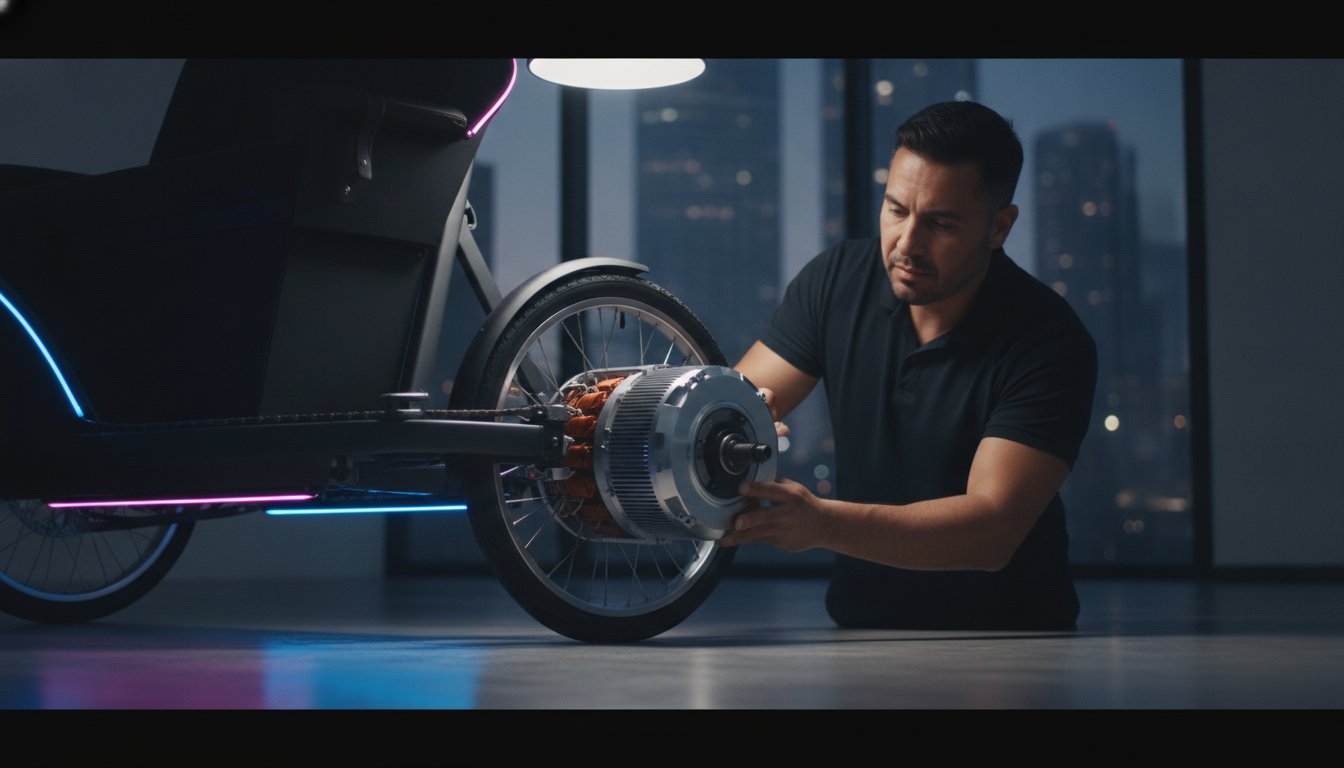
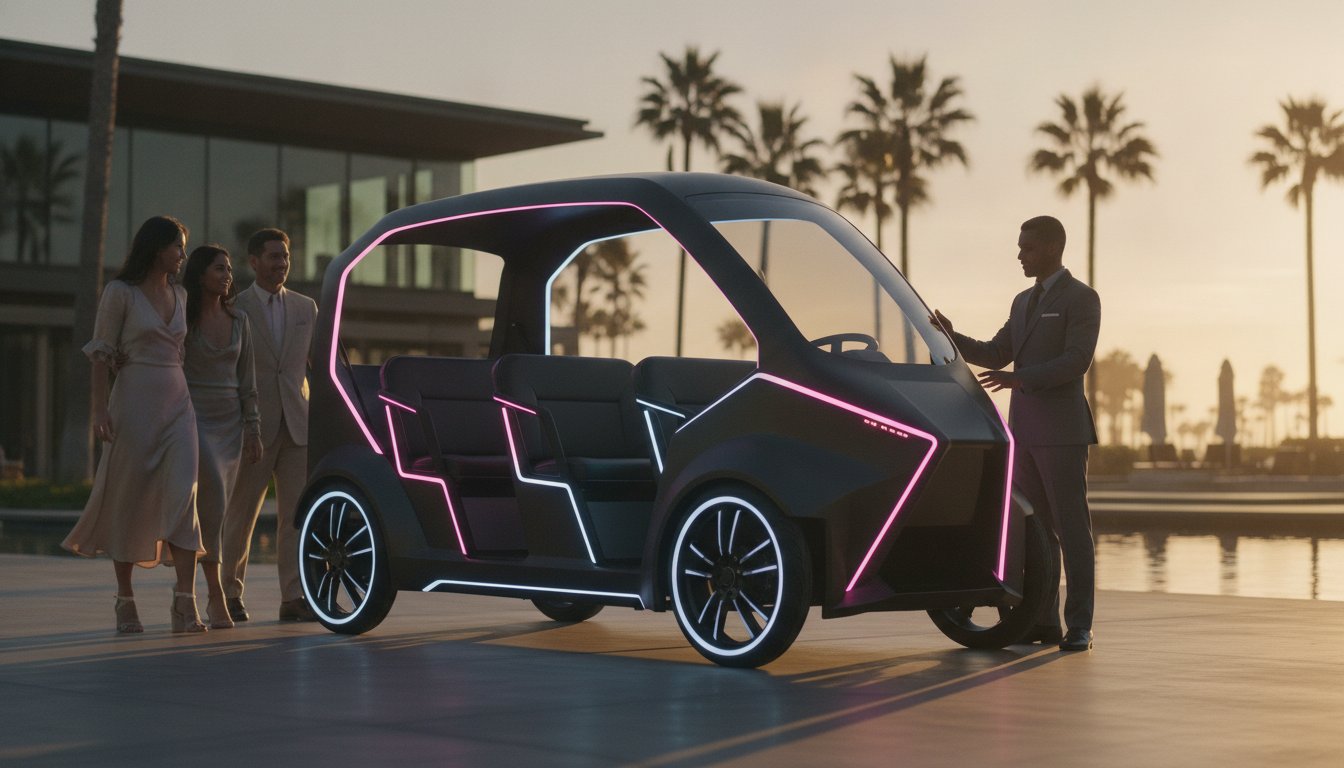
Your battery system is either the engine of your profit or the anchor of your debt. You've likely felt the sting of a six-passenger load stalling on a moderate grade or the sight of a vehicle sitting idle because a cheap pack couldn't handle the thermal stress of a back-to-back shift. It's a common struggle for operators who rely on consumer-grade technology for professional-grade demands. High-performance fleet management requires more than just capacity; it demands discharge stability and rugged reliability under pressure.
This guide will show you how to master industrial-grade electric pedicab battery systems to ensure your fleet stays on the road through every peak event. You'll learn the technical requirements of the 2026 UL-certification standards and the operational strategies needed to maximize vehicle uptime. We'll examine why the shift to 72V architecture is non-negotiable for modern profitability and how specific chemistries like LiFePO4 can slash your long-term replacement costs. It's time to stop managing downtime and start scaling your operations with power that actually performs.
Key Takeaways
- Identify the critical engineering differences between consumer-grade packs and industrial electric pedicab battery systems to prevent premature fleet failure and high replacement costs.
- Compare the operational efficiency of "hot-swap" modular configurations against high-capacity fixed systems to eliminate midday downtime and maximize shift revenue.
- Implement rigorous maintenance protocols focused on Depth of Discharge (DoD) to extend the cycle life of your power units and protect your capital investment.
- Navigate the 2026 regulatory landscape, including mandatory UL 2271 and UL 2849 certifications, to ensure fleet compliance and secure professional insurance coverage.
- Discover how high-discharge cell technology used in the CyberX and VorteX provides the sustained torque required to move heavy passenger loads across challenging terrain.
What are Industrial-Grade Electric Pedicab Battery Systems?
In a commercial fleet, the battery system is far more than a simple power source. It serves as both the fuel tank and the primary engine of your profitability. If the battery fails, your revenue stops instantly. Unlike consumer-grade components found in standard e-bikes, industrial electric pedicab battery systems are engineered to withstand the brutal duty cycles of 12-hour shifts and the massive torque requirements of hauling 1,200-pound payloads. While a hobbyist might prioritize weight, a professional operator prioritizes thermal stability and discharge consistency.
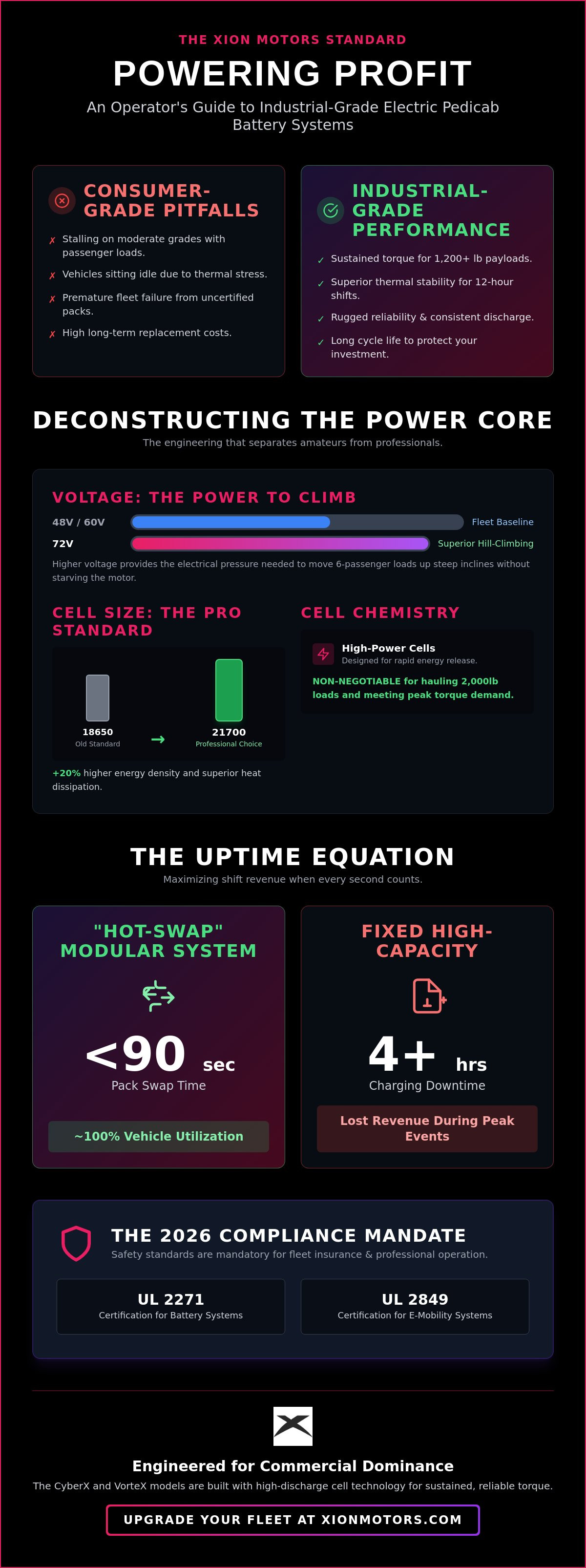
By 2026, 48V and 60V systems have become the absolute baseline for fleet entry. These voltages provide the necessary electrical pressure to move commercial frames without melting wires or blowing fuses. However, the hardware is only half the story. Every professional unit is governed by a sophisticated Battery Management System (BMS). This brain acts as a digital fail-safe, monitoring cell temperature and balancing voltage to prevent the operational failures that plague uncertified imports. Understanding the underlying electric vehicle battery technology is essential for any owner looking to scale beyond a single vehicle.
The Role of Voltage and Amperage in Fleet Performance
Voltage is your vehicle's ability to do work. Higher voltage systems, such as the 72V architecture used in high-performance models, translate directly to superior hill-climbing capabilities, especially when moving 6-seat passenger loads. Amp-hours (Ah) represent your total capacity, but they don't tell the whole story. A high Ah rating is useless if the battery cannot sustain the necessary discharge rate during a steep incline. You must balance capacity with the continuous discharge rate to ensure your motor doesn't starve for power during peak hours, which ultimately protects the motor's internal windings from premature wear.
Standard vs. High-Discharge Cells
Durability starts at the cellular level. While the 18650 cell was the longtime industry standard, the 21700 cell has emerged as the professional choice due to its 20% higher energy density and superior heat dissipation. There's a critical distinction between high-capacity cells, which are built for long, slow drains, and high-power cells designed for rapid energy release. For a commercial operator, high-power chemistry is non-negotiable. When hauling a 2,000lb combined load, the C-rating of your battery defines the specific rate at which energy can be extracted to meet peak demand without compromising the long-term integrity of the internal chemistry.
Modular vs. Fixed Battery Configurations: Maximizing Shift Uptime
Uptime is the only metric that matters when surge pricing hits during a major city event. If your vehicle is tethered to a wall for four hours mid-shift, you aren't just losing energy; you're losing revenue. Commercial electric pedicab battery systems generally fall into two categories: modular swappable units and fixed high-capacity banks. Each serves a distinct business model. For operators running double or triple shifts, the "Hot-Swap" strategy is the definitive standard for maintaining a constant presence on the street.
Investing in electric pedicab fleet packages that utilize swappable packs allows for nearly 100% vehicle utilization. Instead of building expensive DC fast-charging infrastructure at your hub, you simply maintain a rack of charged spares. This approach shifts the capital expenditure from high-voltage electrical upgrades to portable energy assets. It's a pragmatic choice for the scaling entrepreneur who values operational flexibility over permanent station installs. You can explore Xion Motors' commercial builds to see how these configurations are integrated into professional frames.
The Case for Modular 'Swappable' Systems
Modular packs turn a charging liability into a logistical advantage. During high-intensity periods like music festivals or sporting events, a driver can return to the hub and swap a depleted pack for a fresh one in under 90 seconds. This setup also allows you to manage vehicle weight strategically. By carrying only the energy needed for a specific route, you reduce the strain on the motor and tires. Following standardized EV battery maintenance protocols is significantly easier with modular systems, as individual units can be pulled for bench testing without decommissioning the entire vehicle.
Integrated High-Capacity Systems for Heavy Duty Use
Fixed systems offer a different set of advantages, particularly for the Custom VorteX Trike and other heavy-duty platforms. These integrated banks provide centralized, stable power distribution that is often better protected from the road debris and high-frequency vibrations found in urban environments. A fixed system is designed for the operator who runs single, high-intensity shifts and has the luxury of overnight charging. Structurally, these systems are often housed in reinforced steel compartments, ensuring the cells remain secure even when hauling the maximum 1,200-pound payload capacity. While they require a more robust charging hub, they offer a "set it and forget it" reliability that many fleet managers prefer for their primary workhorses.
Battery Longevity: Maintenance Protocols for Professional Operators
Your battery packs are capital assets. They aren't disposable accessories. If you treat industrial-grade electric pedicab battery systems like consumer electronics, you'll bleed capital on premature replacements. Professional longevity is built on strict adherence to the Depth of Discharge (DoD) curve. Every time you drain a pack to zero, you're essentially shaving days off its productive life. Limiting your daily discharge to 80% of total capacity can nearly double the number of cycles a pack provides before it starts to degrade.
Operational precision during the off-season is equally critical. Fleet hibernation isn't just about parking the vehicles; it's about chemistry management. Store your packs at a 40-60% state of charge in a climate-controlled environment. Check the voltage levels every 30 to 60 days to ensure they haven't dipped into a range where the BMS might permanently lock the pack for safety. For a deeper dive into protecting your hardware, consult our electric pedicab maintenance guide to ensure your entire vehicle remains in peak condition.
Optimized Charging Cycles for 2026
Charging to 100% is often a mistake for commercial fleets. Modern Li-ion packs thrive when kept between 20% and 80% charge. This 'sweet spot' reduces the chemical stress on the cells during the final, high-heat stages of a charge cycle. You should also watch for 'vampire drain.' Even when the vehicle is off, the BMS and onboard electronics can slowly pull power. Use smart chargers that communicate directly with the BMS to terminate the current once the target voltage is reached, preventing overcharging and cell fatigue.
Thermal Management and Environmental Factors
High-torque operations in dense entertainment districts generate massive internal heat. This heat increases internal resistance, making your motor work harder for the same output. Proactive cooling is essential. Don't charge a hot battery immediately after a shift; let the chemistry stabilize first. Professional operators should store all commercial battery packs in a climate-controlled environment kept between 50°F and 77°F to ensure maximum chemical stability and lifespan.
Safety Standards and Regulatory Compliance for Commercial Fleets
Safety is the foundation of a scalable business. In 2026, the era of uncertified, "black-box" electric pedicab battery systems is over. As of January 1, 2026, California law SB 1271 mandates that all-electric bicycle and pedicab batteries must be certified by an accredited lab to meet UL 2849 or UL 2271 standards. This isn't just a West Coast trend; it's a national shift in how municipalities and insurers view micromobility. If your fleet lacks these certifications, you aren't just risking a fine. You're inviting a catastrophic legal liability that can bankrupt your operation in a single afternoon.
Operational security requires more than just following the law. It requires a commitment to authentic engineering. Utilizing third-party cells or unverified aftermarket components is the fastest way to trigger a thermal runaway event. We've seen too many operators cut corners on price only to lose their entire warehouse to a charging fire. High-performance fleets stay profitable by using only industrial-grade Vehicle Parts that have been tested for the specific vibration and thermal stresses of pedicab work.
Understanding UL Certification for Pedicabs
UL 2271 is the definitive benchmark for light electric vehicle (LEV) battery packs. It tests for resistance to impact, vibration, and thermal abuse. For tourism operators, non-certified batteries represent a massive risk. A single thermal runaway event in a crowded downtown district can lead to immediate permit revocation. Commercial-grade housing must pass rigorous crush tests to ensure that even a collision doesn't compromise the internal cells. This level of protection is what separates a professional vehicle from a consumer toy.
Risk Mitigation and Insurance Requirements
Insurance providers have evolved. They now demand industrial-grade documentation before issuing commercial policies. Documented battery maintenance and the use of certified components can significantly lower your fleet insurance premiums. You should also develop a robust Emergency Response Plan (ERP) for your hub. This includes specialized fire suppression for lithium-ion incidents and ensuring all charging stations comply with local electrical codes to prevent circuit overloads. Proper planning transforms safety from a cost center into a competitive advantage.
The Xion Motors Standard: Powering the CyberX and VorteX
Xion Motors doesn't just assemble vehicles; we architect high-performance revenue machines. While competitors often rely on off-the-shelf components, our electric pedicab battery systems are engineered specifically for the CyberX frame. This isn't a modified bicycle setup. It's an industrial-grade power plant designed to handle the unique stresses of commercial transit. By controlling the engineering process from the cell level to the chassis, we ensure that every watt of energy is converted into reliable, profitable motion.
Hauling 3-seat and 6-seat passenger loads requires more than just raw capacity. It requires high-discharge cells that can maintain voltage under the extreme current draw of a fully loaded start. We utilize premium 21700 cells that provide the sustained power necessary to clear intersections and climb urban inclines without overheating. This level of precision engineering is why Xion Motors remains the veteran partner for fleet operators who refuse to compromise on durability. We've spent decades in the trenches, and we've built the tools that actually survive them.
Engineering for High-Torque Performance
Power is useless without a drivetrain that can handle it. Our battery systems are designed to support the heavy-duty axles and differentials of the VorteX, ensuring that the torque reaches the pavement without mechanical failure. There's a deliberate synergy between our custom-programmed controllers and the battery discharge curves. This integration ensures consistent power delivery even when the battery capacity drops to 20%. You won't experience the "sag" that plagues cheaper systems, allowing your drivers to finish their shifts with the same confidence they had at the start.
Direct-to-Operator Support and Replacement
Profitability depends on your ability to fix problems quickly. Because we prioritize USA-based manufacturing, our partners benefit from direct access to battery diagnostics and expert technical support. You aren't waiting for a shipping container from overseas to get your vehicle back on the street. We stock authentic Vehicle Parts and replacement modules to ensure your fleet maintains maximum uptime during your busiest seasons. If you're ready to scale your operation with a system built for the long haul, contact Xion Motors for custom battery configurations and fleet pricing. We'll help you build a power strategy that turns every shift into a win.
Secure Your Fleet’s Competitive Edge
Mastering electric pedicab battery systems is no longer a luxury; it's a prerequisite for commercial survival in 2026. You now understand that long-term profitability is built on the foundation of UL-certified safety and high-discharge engineering. By prioritizing industrial-grade 72V architecture and rigorous maintenance protocols, you eliminate the downtime that drains your revenue. You've seen how the right energy strategy transforms a vehicle from a simple transport tool into a high-torque workhorse capable of 24/7 deployment.
Xion Motors stands as your veteran partner in this transition. With over 20 years of fleet operations experience, we engineer the CyberX and VorteX models to meet the most demanding urban environments. Our USA-based manufacturing and national shipping ensure you have the support and authentic parts needed to keep your business moving forward. Stop managing battery anxiety and start managing growth. Scale your fleet today with Xion Motors' high-performance pedicabs and take command of the street with power that never flinches.
Frequently Asked Questions
How long does a typical electric pedicab battery last?
Professional lithium-ion batteries generally last between 500 and 1,000 full charge cycles before their capacity drops below 80% of the original rating. In a high-intensity commercial environment, this translates to roughly two to three years of daily service. Your specific lifespan depends heavily on your depth of discharge habits and how strictly you follow thermal management protocols during peak summer months.
Can I use standard e-bike batteries in my commercial pedicab?
No, you shouldn't use consumer e-bike batteries because they aren't engineered for the massive current draw of a 1,200-pound payload. Standard electric pedicab battery systems are built with high-discharge cells capable of supporting 3,000W peak loads. Consumer packs will overheat, trigger safety cut-offs, or suffer permanent cell damage when asked to move a fully loaded 6-seat vehicle up an incline.
What is the best battery chemistry for heavy-duty passenger trikes?
Lithium Iron Phosphate (LiFePO4) is the definitive choice for heavy-duty trikes due to its superior thermal stability and extended cycle life. While NMC chemistry is lighter, LiFePO4 can handle thousands of additional cycles and is significantly less prone to thermal runaway. This makes it the most cost-effective and safest option for operators who prioritize long-term fleet viability over slight weight savings.
How many miles of range should I expect from a 6-seat pedicab?
You should expect approximately 35 miles of range per charge when operating a 6-seat model with a full passenger load. This estimate is based on a 72V system running on relatively level urban terrain. If your routes include significant elevation changes or constant stop-and-go traffic in crowded districts, your actual mileage will decrease. Always plan your fleet rotations with a 20% energy safety margin.
Is it better to fast-charge or swap batteries during a shift?
Swapping batteries is the superior operational strategy because it eliminates the hours of downtime required for a recharge. A modular swap takes less than two minutes, allowing your vehicle to return to the street immediately. Fast-charging puts immense thermal stress on the cells and requires expensive high-voltage infrastructure that most urban hubs aren't equipped to handle without significant capital investment.
Do I need special permits to store large quantities of pedicab batteries?
You must check with your local fire marshal, as many cities require specific hazardous material permits once your stored energy exceeds a certain kilowatt-hour threshold. Regulations often mandate fire-rated storage cabinets and specialized suppression systems for lithium-ion assets. Proper permitting is essential for maintaining your commercial insurance coverage and ensuring your facility meets 2026 fire safety standards.
What happens if a battery fails during a tour?
A mid-tour battery failure requires an immediate vehicle swap to maintain your service commitment to the passenger. Most industrial systems will provide a diagnostic code through the BMS to help you identify if the failure was a thermal shutdown or a hardware malfunction. Keeping a "hot-spare" vehicle ready at your hub ensures a single component failure doesn't ruin your daily revenue or your brand reputation.
How does temperature affect my pedicab's battery performance?
Temperature is the primary driver of performance fluctuations, as extreme heat increases internal resistance while freezing cold temporarily reduces total capacity. High ambient temperatures are particularly dangerous for electric pedicab battery systems because they accelerate the chemical breakdown of the cells. You'll likely see a 20% range reduction in sub-freezing weather, which is why climate-controlled storage is a non-negotiable requirement for professional fleets.