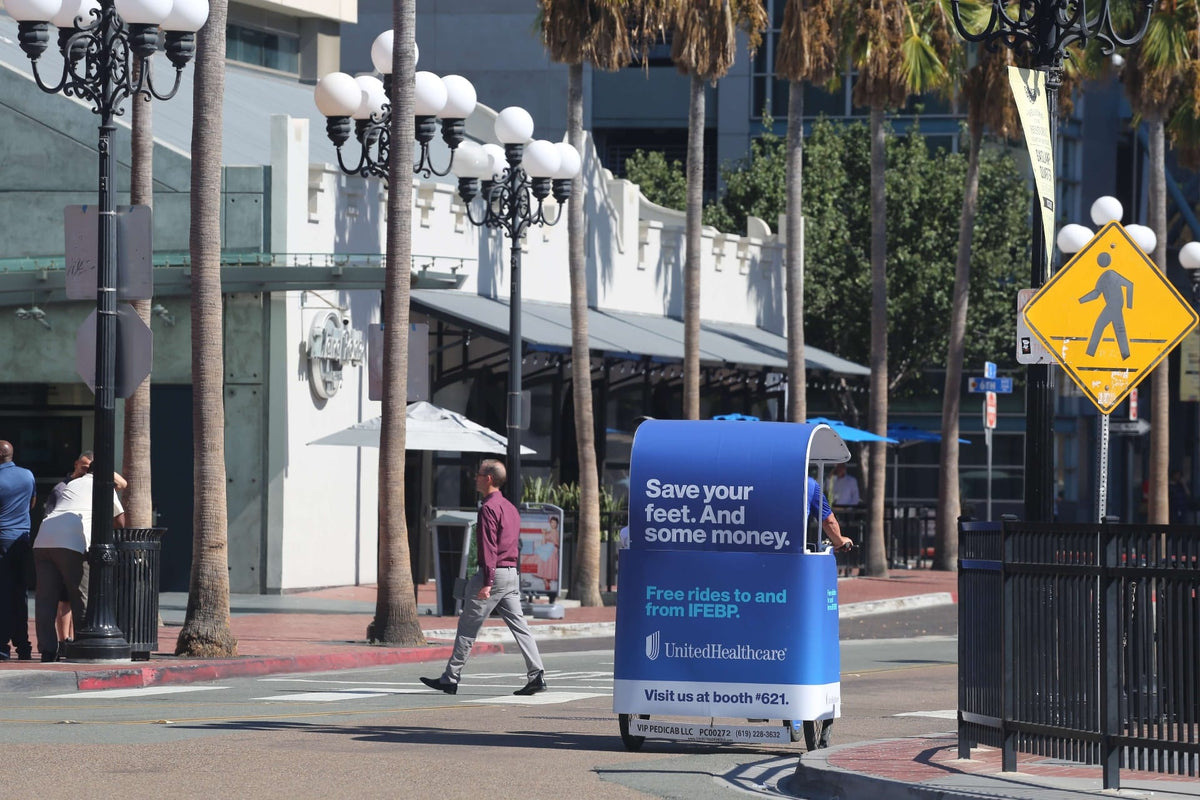
If your fleet relies on standard e-bike components to haul 2,000-pound loads, those parts are a liability. In the commercial pedicab market, generic components are one of the biggest obstacles to growth. Genuine heavy duty pedicab parts are how you get from constant breakdowns to steady, scalable profit. You probably know the frustration of a snapped axle or a dead battery mid-shift. The repair bill is only part of the cost. You also lose standing with the premium passengers your revenue depends on.
This article explains how to get more out of your fleet with heavy-duty performance components and targeted engineering upgrades. You'll see how to get better hill-climbing torque for six-passenger loads and how to give your vehicles a "wow factor" that supports higher fares. We also cover current commercial standards, from high-output 72V charging systems to the structural reinforcements that keep vehicles running in demanding city conditions.
Key Takeaways
- Components rated for a 2,000 lb load capacity are what keep a fleet sound through long 12-hour commercial shifts.
- A 72V setup needs specific heavy duty pedicab parts, and it gives you the torque for heavy passenger loads and steep hills.
- The "Cyber" look and programmable LED lighting turn your vehicles into eye-catching mobile billboards that support premium fares.
- Upgrading to 10A high-amperage chargers cuts mid-day battery top-off times and removes a common bottleneck.
- A phased upgrade plan fixes basic mechanical reliability first, then moves to high-performance BAC controllers and torque tuning.
Why heavy duty pedicab parts matter
"Heavy duty" is often just a marketing label. For a professional fleet operator, it means a specific engineering threshold: a 2,000 lb load capacity. The traditional cycle rickshaw was designed for light, human-powered transport. Modern electric pedicabs work 12-hour shifts, climb steep city hills and carry several adult passengers, which puts heavy stress on the structure. Consumer e-bike components are built for 250lb loads and occasional weekend riding, and they eventually snap under professional use.
Heavy duty pedicab parts lower your Total Cost of Ownership over a five-year horizon. Replacing a cheap axle three times a year costs more in labor and downtime than buying a heavy-duty one once. Reliability also affects driver retention. Professional drivers want to work for fleets with safe, dependable equipment. When a bike breaks down, the driver loses a day of income, and you may lose that driver to a competitor with better equipment.
Engineering for commercial continuity
Xion Motors builds for the long haul. We use motorcycle-grade tires and reinforced axles because standard bicycle tires can't handle the heat and friction of a fully loaded trike. High-tensile materials prevent frame fatigue, one of the most common reasons high-revenue fleets lose vehicles. Our Xion pedicab engineering standards make sure every weld and component can handle the heavy vibration of city streets without failing.
The ROI of reliability
Lost revenue is the most expensive part of any repair. If a vehicle goes down on a holiday weekend or during a major sporting event, you lose hundreds of dollars in peak-fare revenue on top of the cost of the part. Premium heavy duty pedicab parts work like insurance against those major failures and keep your fleet on the road when demand is highest. A pedicab's Commercial Duty Cycle is the number of continuous hours it can run at maximum load without mechanical attention or thermal shutdown. Heavy-duty components extend that cycle and protect your bottom line.
Power systems: more torque and range with 72V upgrades
Power is a big part of what separates a struggling operator from a leading one. Hobbyist setups often use 48V systems, but professional fleets have moved to 72V. Higher voltage needs less current for the same power output, which reduces heat and extends the life of every part of the drivetrain. That makes 72V the foundation of any serious upgrade to heavy duty pedicab parts. It also gives you the torque to launch a fully loaded trike from a dead stop on a steep grade without straining the motor.
Commercial NMC (nickel manganese cobalt) batteries are designed to solve the "voltage sag" problem common in cheaper equipment. Cheap batteries lose power as they drain, which leaves drivers underpowered in the last hours of a shift. Our high-performance cells keep a very flat discharge curve, so the vehicle pulls as hard at 20% charge as it does at 100%. Recent research on cargo e-bike efficiency indicates that commercial electric cycles can be much more efficient than vans in dense downtowns, as long as they have the power to hold a steady speed under heavy load.
Selecting your battery capacity
Xion pedicabs run on a 72V 58Ah lithium battery. It is also the replacement and upgrade pack Xion sells for older or lower-capacity pedicab batteries. You can order it as the 72V 58Ah pedicab battery ($1,800).
When you plan battery needs for your fleet, consider:
- Route length: how many miles each vehicle covers in a typical shift.
- Hills: steep grades with a full passenger load use more energy than flat loops.
- Shift length: long shifts and event days need more stored energy per vehicle.
- Charging between shifts: whether you can top off between driver handovers, and how fast your charger is.
Controller tuning: BAC4000 vs. BAC8000
The controller is the brain of the power system. The BAC4000 is a good choice for 3-seat pedicab configurations, with smooth acceleration and precise throttle control. For the heaviest loads, the BAC8000 delivers maximum power density. Both controllers protect the motor from thermal throttling by managing heat dissipation closely. If you're ready to rebuild your drivetrain for efficiency, browse our full range of vehicle parts to find the right configuration for your fleet.
Using visual upgrades to win more passengers
Looks affect revenue. In a crowded entertainment district, your vehicle is your storefront, and how it looks helps decide whether a passenger pays a standard rate or a premium fare. Heavy duty pedicab parts that improve visibility also set you apart from other operators on the street. The "Cyber" look tells high-value passengers they're choosing a premium, safe and modern ride. Basic reflectors may meet minimum federal safety standards for electric bicycles, but they won't attract a group looking for a memorable night out.
Programmable LED Lights on Wheels ($299) turn your trike into a mobile billboard people notice. You can display custom animations or brand logos that catch the eye of pedestrians within a three-block radius, so premium passengers, the ones behind your best margins, always see your fleet. A trike lit up like this reads as modern transport instead of a simple bike.
Side panels set your position in the local market. Entry-level Vinyl upgrades ($69) give a clean, professional look for everyday operation. Operators aiming at the luxury market or high-end corporate activations should look at Mirror Acrylic ($1299). These panels have a deep mirror finish and hold up well, which supports higher fares and attracts premium advertising partners who want their brand on a high-end vehicle.
The psychology of the evening fare
Passengers tend to pick the most "high-tech" vehicle in a lineup because they link visual quality with mechanical safety. With the Xion mobile app, operators can sync wheel lights to specific brand colors for event marketing or local holiday themes. There's a practical safety benefit as well: 360-degree lighting makes your vehicle hard to miss in busy entertainment zones and protects it from distracted drivers.
Custom design on mirror acrylic
Back-lit, custom-cut mirror acrylic panels are the top tier of pedicab customization. They make a standard Xion pedicab a one-of-a-kind piece of urban art that gets attention on social media and from passengers. That kind of standout look keeps your fleet the first choice for VIP transport and high-visibility city tours. To get started, customize your Xion pedicab with the Upgrades Collection.

Operational logistics: charging speed and weather protection
Time is the one resource you can't make more of. A vehicle tied to a charger during peak hours isn't earning anything. Moving from standard 5A chargers to high-amperage units is one of the most useful changes you can make, because these heavy duty pedicab parts keep vehicles on the pavement and out of the shop. Faster charging lets you take advantage of sudden spikes in demand instead of waiting half a day for a battery top-off.
The 10A Charger Upgrade ($100) is the baseline for professional operations. It cuts the wait for mid-day top-offs, so drivers can grab a meal and get back on the street with a full battery. For fleets running back-to-back double shifts, the 15A Charger Upgrade ($200) is the better choice. It charges three times faster than consumer-grade units, which raises the revenue potential of each vehicle by cutting downtime between driver handovers.
How a fast charge works
The 15A charger fully charges a Xion pedicab in 2.5 to 3 hours. It does that safely by managing heat: high-performance chargers monitor temperature to keep the battery cells within safe limits during rapid charging. That balance matters for long-term cell health and fleet life. For more on protecting your investment, see our electric pedicab maintenance guide.
All-weather durability
Your fleet has to run whatever the forecast. Custom-machined Fenders ($89) are a must for any serious operator. Besides keeping the rider dry, they protect sensitive drivetrain components from corrosive road salt, mud and debris. Skip this simple upgrade and your heavy duty pedicab parts wear out early, which raises maintenance costs over time. A clean bike also looks professional, and that helps you charge higher fares.
Visibility matters just as much in bad weather. The Square Front Light ($129) is built to cut through heavy fog and low-visibility conditions, so drivers can navigate safely, and its clean look gives passengers confidence. Rain and dark streets shouldn't take vehicles off the road. Explore our full range of electric pedicabs and heavy-duty components to build a fleet that keeps running.
The Xion upgrade path: prioritizing your fleet investment
Spend on heavy duty pedicab parts in a planned order. Scattered repairs drain capital, while a phased upgrade path puts money where it does the most good. We group upgrades into three stages that take your operation from basic reliability to a leading position in your market. Each stage is meant to make sure every dollar goes toward more uptime, more torque or more passengers choosing your vehicles.
Stage 1 is Survival Upgrades, the baseline for commercial viability. High-capacity batteries and custom-machined fenders keep your vehicles running in all weather. Stage 2 is Performance Upgrades: BAC controllers deliver the torque you need for high-capacity passenger loads. Stage 3 is Dominance Upgrades, where full LED systems and custom mirror acrylic panels create the "wow factor" that supports premium fares. Xion Motor parts are engineered to fit Xion pedicabs directly, so each upgrade adds to the vehicle's structural integrity instead of weakening it with mismatched components.
Building your custom configuration
Match your equipment to where you operate. A fleet in a hilly coastal city needs a different torque profile than one in a flat downtown. Bundling upgrades into a new Xion pedicab build gets you on the street with a fully set-up vehicle from day one. If you're new to the business, our guide to starting a pedicab company covers the basics of building a profitable operation from the start. Fix your biggest local bottlenecks first.
Fleet deployment
Hardware is only half the job. Train your drivers to use the extra torque and speed settings well, because advanced components need careful handling to last. Heavy-duty parts also raise the long-term resale value of your fleet. When you cycle out older units, a vehicle maintained with premium components will sell for more on the secondary market, which protects your initial capital while the fleet brings in daily revenue. Explore the full 2026 Upgrades Collection for your Xion pedicab.
Building a stronger pedicab fleet
You now have a plan for moving from a maintenance-heavy operation to a high-performance fleet. Putting 72V power and strong visual upgrades first positions your business for the best city routes. Heavy duty pedicab parts are what a scalable professional pedicab business is built on. We bring more than 20 years of fleet experience, through Xion's affiliated San Diego fleet, VIP Pedicab (130+ city-permitted pedicabs in San Diego, part of a 1,000+ pedicab network nationwide), to every component we sell. Our OEM parts are engineered for a 2,000 lb load capacity, so your vehicles stay on the street while others sit in the shop. We ship to all 50 states, so you can get the same heavy-duty equipment wherever you operate.
Stop reacting to mechanical failures and plan your upgrades instead. A fleet built this way earns respect and stays in service, and each upgrade adds to your share of the local market. Upgrade your Xion pedicab with the 2026 Upgrades Collection.
Frequently Asked Questions
Will these performance upgrades fit on non-Xion pedicab frames?
Our electrical heavy duty pedicab parts, including batteries, chargers and controllers, are designed for a universal 72V setup and can be fitted to most commercial trike frames. Structural components like our custom-machined fenders and mirror acrylic panels are made specifically for the Xion pedicab chassis. Using those structural parts on non-Xion frames may require custom fabrication to get a proper fit and long-term structural integrity.
How much faster will my Xion pedicab charge with the 15A upgrade?
The 15A charger upgrade gives you a full charge in about 2.5 to 3 hours. That's 3x the charging speed of the standard 5A units common in the industry. Less downtime between driver handovers makes back-to-back shifts possible and raises the daily revenue potential of every vehicle in your fleet.
Do I need a professional technician to install the BAC8000 controller?
We strongly recommend a professional technician for installing and tuning the BAC8000 controller. The hardware is built to last, but the software calibration has to be mapped precisely to your motor and battery. Professional setup gets you the full torque profile and power density without risking heat damage to the motor.
What is the difference between Vinyl and Mirror Acrylic side panels?
Vinyl side panels are a durable, cost-effective option for professional branding and everyday use. Mirror Acrylic panels are a premium upgrade with a deep, reflective finish that supports higher fares. Vinyl works well for a consistent look across the fleet, while mirror acrylic sets your vehicles apart and attracts high-end advertising partners and VIP passengers.
Can I use the LED wheel lights in wet weather conditions?
Yes. Our programmable LED wheel lights have heavy-duty weatherproofing to handle rain and road spray. The components are sealed against moisture, so they keep working on evening shifts in bad weather. They provide 360-degree lighting, which improves safety in busy entertainment districts when visibility is low.
What battery should a commercial electric pedicab use?
Xion pedicabs use a 72V 58Ah lithium battery, sized for full shifts in hilly downtown routes. It's also the replacement pack Xion sells for older or lower-capacity pedicab batteries.
Are these heavy duty parts street legal for commercial use?
Our components are designed to meet or exceed commercial safety standards, but you need to check the regulations in your own city. Our lighting and braking components improve overall safety, but cities like London or New York have their own licensing requirements for vehicle identifiers and timers. Heavy-duty parts help your vehicle pass the regular safety checks required for commercial licensing.
How do these upgrades affect my overall fleet ROI?
The upgrades improve fleet ROI in two ways: less maintenance downtime and more passengers choosing your vehicles. Heavy-duty components lower the total cost of ownership over a five-year period by preventing the frequent failures that come with consumer-grade parts. The extra torque and premium look also let you charge higher rates, which supports payback typically under 12 months. Results vary by market.
Thinking about starting or scaling a pedicab operation?
See what a pedicab costs ($13,500–$15,000 direct from the manufacturer), explore fleet pricing on 3+ units, or start with $0-down equipment financing. Xion pedicabs have $30,000–$35,000 revenue potential per pedicab per year across 59+ US markets, and results vary by market.