A standard e-trike is often a hobbyist's toy disguised as a commercial asset, and most operators don't realize the difference until their revenue stalls on a steep hill. You've likely felt the sting of frequent mechanical downtime or a battery that quits before the evening rush even begins. Downtime is the enemy of profitability. Choosing a professional-grade 3 seat electric pedicab is the only way to ensure your business survives the rigors of the street. With the global BicyTaxi market projected to reach $4.9 billion by 2032, the opportunity for scale is massive for those who prioritize rugged durability over a cheap entry price.
This reference guide helps you master the engineering standards, operational dynamics, and revenue potential of industrial vehicles designed for 1,500 lb payloads. We'll verify the ROI of the 3-seat configuration and examine the regulatory compliance needed to keep your fleet operational. From 72V lithium-ion systems to high-torque motors, you'll learn exactly what differentiates a professional machine from a consumer-grade substitute. This is a move from high-level market excitement to the granular technical insights that define a successful micro-transit enterprise.
Key Takeaways
- Identify the three critical engineering pillars—high-torque transaxles, reinforced chassis, and heavy-duty braking—required to survive 2,000+ annual hours of commercial punishment.
- Analyze the diversified income potential of a 3 seat electric pedicab, moving beyond simple passenger fares into high-margin advertising wraps and private event contracts.
- Distinguish between hobbyist trikes and professional assets by auditing safety standards like hydraulic disc brakes and industrial-grade electrical systems.
- Leverage the direct-to-operator sales model to secure American-engineered equipment that has been perfected through decades of real-world fleet experience.
The 3 Seat Electric Pedicab: Defining the Commercial Transit Standard
Commercial transit requires a vehicle that doesn't flinch under a half-ton load. A 3 seat electric pedicab is a heavy-duty industrial tricycle engineered for one driver and two passengers. It serves as the primary vehicle for urban micro-transit; it bridges the gap between massive public infrastructure and the final block of a commuter's journey. Modern units utilize high-torque electric motors to assist or fully power the vehicle, ensuring that heavy loads don't compromise speed or schedule. This isn't a bicycle with a bench attached. It's a purpose-built machine designed for the rigors of 8-hour shifts and high-traffic environments. Ensure your fleet is built on a foundation of industrial-grade components from the start.
Beyond the Rickshaw: The Evolution of Electric Micro-Transit
The Cycle rickshaw has undergone a radical transformation. We've moved from manual labor tools to high-efficiency electric propulsion systems that redefine urban mobility. The most significant shift is the move toward Class 2 e-bike compliance. This specific certification is vital because it ensures broader street legality across most jurisdictions, allowing operators to utilize bike lanes and pedestrian zones that are off-limits to larger vehicles. Modern engineering allows these trikes to handle 1,500 lb payloads without sacrificing speed or agility. High-torque transaxles and 72V 58Ah lithium-ion battery systems have replaced the flimsy components of the past, turning the pedicab into a legitimate commercial asset.
Why the 3-Seat Configuration is the Fleet Standard
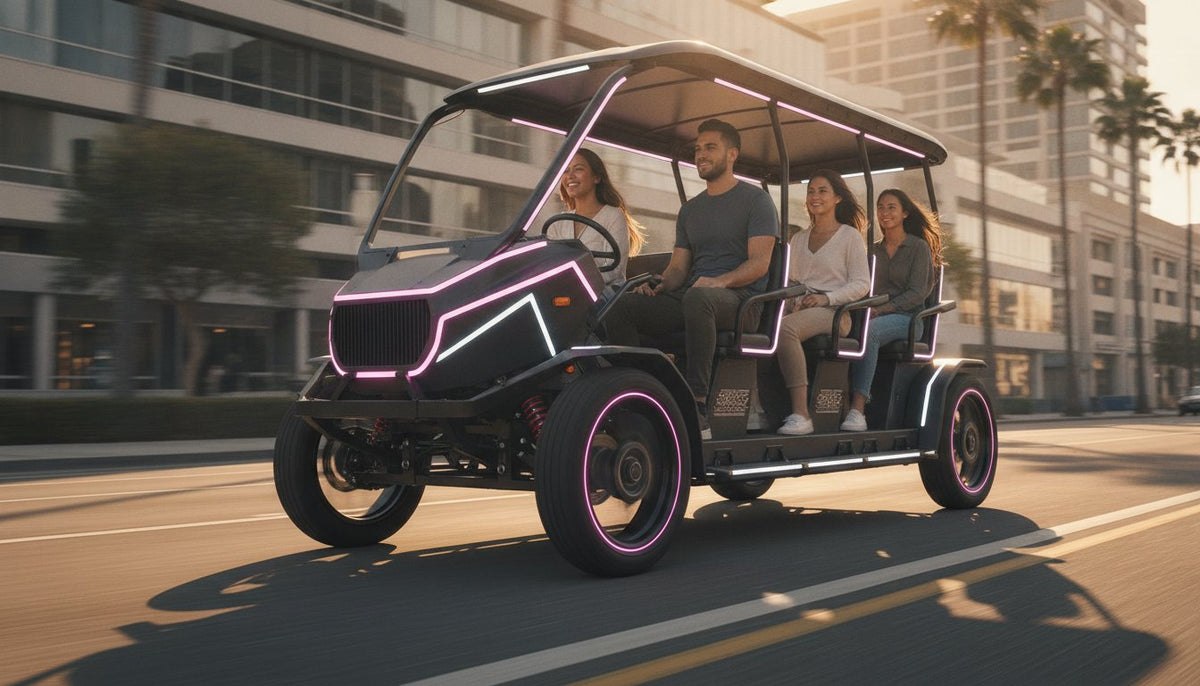
Fleet managers recognize the 3-seat configuration as the industry "sweet spot" for a reason. It perfectly balances passenger capacity with the agility needed to navigate narrow urban corridors and congested downtown streets. If you go larger, you lose the ability to weave through traffic. If you go smaller, you cut your revenue per trip in half. By optimizing the power-to-weight ratio, operators achieve maximum battery range and extend the motor's lifecycle. There is also a distinct psychological advantage to the side-by-side passenger seating arrangement. It offers comfort and high visibility for the riders, which is essential for generating the premium fares and tips that drive a $30,000+ annual revenue stream per unit.
A 3 seat electric pedicab maintains a footprint that fits through standard municipal bollards, a critical requirement for operating in parks or pedestrian malls. This configuration also allows for a more stable center of gravity compared to larger, multi-row alternatives, which is crucial when navigating uneven city pavement or making tight turns under load. Seasoned veterans with 20 years of fleet experience know that durability is non-negotiable. With 50-state shipping available, these American-engineered frames are setting the standard for urban transit nationwide.
Industrial-Grade Engineering: The Anatomy of Commercial Performance
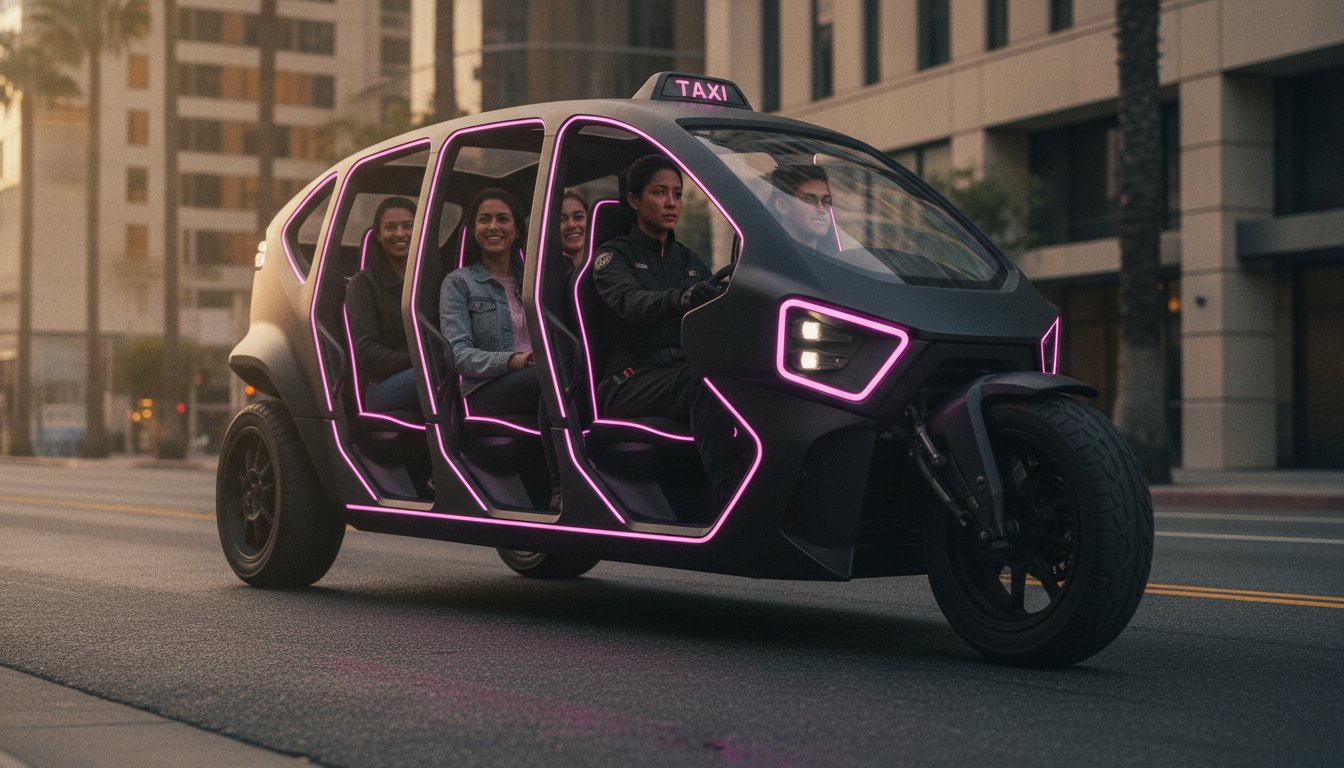
Hobbyist components fail under the weight of professional expectations. While standard e-bikes are built for light weekend use, a 3 seat electric pedicab must survive over 2,000 annual hours of constant street punishment. Commercial uptime isn't a suggestion; it's a requirement for survival. To achieve this, the vehicle must be built upon three specific engineering pillars: high-torque transaxles, a reinforced chassis, and heavy-duty braking systems. Adhering to federal safety standards for electric bicycles is the baseline, but commercial excellence requires over-engineering every point of failure. The CyberX currently stands as the engineering benchmark for 2026, proving that futuristic design can coexist with rugged, industrial reliability.
High-Torque Drive Systems and Power Delivery
Voltage is the lifeblood of commercial performance. Most consumer trikes rely on 36V or 48V systems that sag under load, but a 72V lithium-ion system provides the consistent power delivery required for steep inclines and stop-and-go urban traffic. A 750W direct-drive transaxle is essential for hill climbing when your vehicle is fully loaded. These systems ensure that the motor doesn't overheat during peak demand. Specifically, high torque electric pedicabs reduce motor strain by managing power delivery more efficiently, which significantly extends the lifespan of the drive unit and prevents costly mid-shift failures.
Chassis Integrity and Structural Durability
Structural integrity is the difference between a fleet that lasts five years and one that lasts five months. Lightweight aluminum might work for a solo commuter, but powder-coated heavy-duty steel is the only material that provides the necessary rigidity for high-volume commercial use. Engineering for a 1,500 lb payload requires meticulous attention to stress points and weld quality. You must prioritize pedicab frame durability to handle the vibration and impact of uneven city pavement. A reinforced chassis prevents the frame fatigue that leads to catastrophic failure during high-occupancy tours, ensuring your passengers remain safe and your investment stays on the road. If you're ready to upgrade your operations, explore the latest electric pedicabs built for the street.
Precision management of these engineering details is what separates a master practitioner from a novice operator. By choosing a vehicle with a 72V 58Ah battery system and an American-engineered frame, you're investing in a tool designed for performance. This methodical approach to engineering ensures that the "what" of your product is backed by the "why" of a solid business case. Don't settle for underpowered alternatives that will leave you stranded when the market demand is at its highest; if you are looking for high-quality consumer options for personal use, read more.
Operational Dynamics: Revenue Potential and Maintenance Lifecycle
Owning a 3 seat electric pedicab isn't about owning a bike; it's about managing a mobile revenue-generating asset. This is a tool for the Master Practitioner who understands that street-level success is earned through operational discipline. Active operators are currently generating $30,000+ annually per vehicle in high-traffic urban zones. This isn't accidental. It's the direct result of a diversified income strategy and an uncompromising focus on vehicle uptime. When your equipment is built to industrial standards, you aren't just surviving the shift; you're dominating the market.
The Business Case: Maximizing Annual ROI
Revenue in micro-transit is built on three distinct pillars: passenger fares, high-visibility advertising, and private event bookings. The 3 seat electric pedicab thrives in high-density tourist corridors where traditional transport stalls in traffic. Advertising wraps are a critical component of this financial model. They turn your vehicle into a mobile billboard for local businesses, providing a steady stream of passive income that often covers your monthly operating costs before the first passenger even boards. Scaling from a single unit to a pedicab fleet allows for massive market impact and higher-tier advertising contracts. Operators must also stay aligned with local standards, such as the Portland municipal pedicab regulations, which provide a framework for fare transparency and professional conduct that builds long-term customer trust.
Sustaining Uptime: Maintenance Protocols for 2026
Uptime is the only metric that matters at the end of the day. If the cab isn't moving, it isn't earning. Achieving a 99% uptime goal requires a rigorous maintenance schedule that treats the vehicle like the industrial machine it is. Daily inspections of tire pressure and battery voltage are the baseline for every shift. Weekly audits of hydraulic fluid levels and chain tension prevent mid-route breakdowns that damage your reputation. You should follow a detailed electric pedicab maintenance guide to ensure technical procedures are performed with precision.
- Daily: Verify battery state-of-charge and inspect braking response.
- Weekly: Clean and lubricate the drivetrain; check all structural fasteners.
- Monthly: Audit weld integrity and inspect the 72V electrical connections for wear.
Always use authentic replacement parts to maintain drivetrain continuity. Substituting industrial components with generic e-bike spares is a recipe for catastrophic failure. A veteran operator knows that precision management of the maintenance lifecycle is what protects the business's financial viability. By investing in a vehicle designed for constant punishment and adhering to a strict service protocol, you ensure your fleet remains a dominant force on the street for years to come.
Commercial vs. Consumer Trikes: Identifying Professional Quality
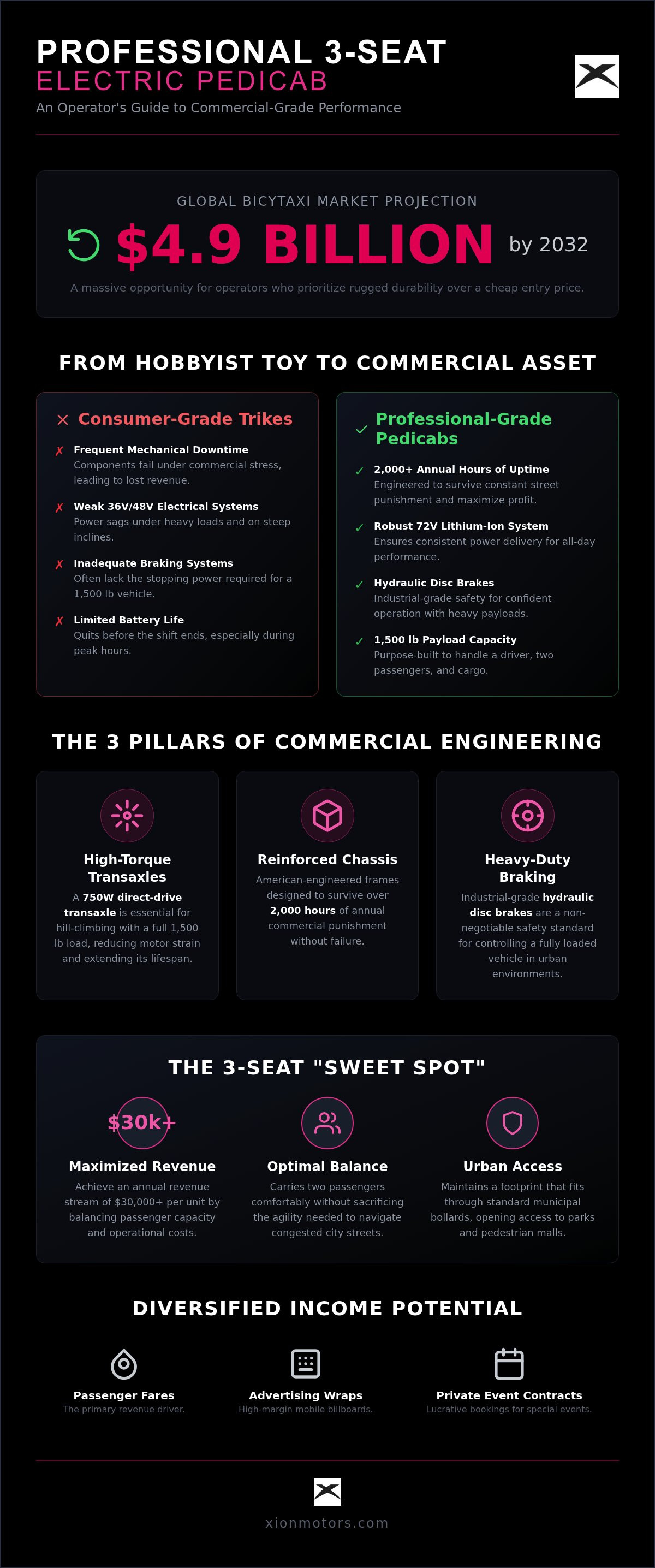
Most new operators make the fatal mistake of buying for price rather than performance. A hobbyist trike is built for a casual family ride; a 3 seat electric pedicab is built for constant punishment. When you evaluate the "Total Cost of Ownership" (TCO), the initial purchase price is only one small part of the equation. A cheap consumer model will bleed you dry through weekly repairs and lost revenue. A professional-grade asset earns its keep by staying on the street for 8+ hours a day. Invest in equipment that can handle a 1,500 lb payload without structural fatigue. Your business depends on a machine that survives the rigors of the urban environment.
Component Stress Testing and Safety Standards
Safety is a non-negotiable requirement in passenger transit. You must identify reinforced forks and steering assemblies that have been designed specifically for heavy commercial loads. Standard e-bike components will bend or snap under the weight of three adults. Hydraulic disc brakes are the industry standard for a reason. Mechanical brakes simply cannot provide the consistent stopping power needed in high-traffic scenarios. You also need heavy-duty spokes and reinforced rims to prevent wheel collapse. A professional lighting package with integrated signals is essential for urban street-legal operation, ensuring your driver and passengers are visible in all conditions.
Regulatory Compliance and Street Legality
Navigating the legal landscape is just as important as the engineering itself. Most jurisdictions require vehicles to meet Class 2 e-bike classifications, which typically include a 20 mph top speed and throttle assist. You must verify that your fleet complies with local ordinances for historic districts and entertainment zones before you deploy. Ensuring your vehicle meets National Highway Traffic Safety Administration (NHTSA) guidelines where applicable protects you from liability and unexpected fines. Mastering these details is what separates a seasoned veteran from a novice. If you are ready to secure a vehicle that meets every industrial standard, order your professional electric pedicab from a manufacturer with 20 years of fleet experience.
Durability is the foundation of your ROI. When you choose a vehicle with American-engineered frames and 72V 58Ah lithium-ion battery systems, you are choosing reliability. Don't let a lightweight aluminum frame or an underpowered motor stall your growth. A master practitioner knows that the right tool is the one that never stops working. By focusing on industrial-grade quality, you ensure your business remains a dominant force in the micro-transit market for years to come.
The Xion Motors Advantage: Engineering the Future of Transit
Choosing a vehicle is a declaration of your business's intent. Xion Motors bridges the gap between futuristic design and street-level operational excellence, providing tools that are as visually striking as they are mechanically sound. Our direct-to-operator sales model ensures you receive a vehicle tested by industry veterans who have spent twenty years in the trenches of urban transit. We don't just ship products; we deploy assets. With comprehensive support for 50-state shipping and a robust inventory of replacement parts, we ensure your fleet stays mobile regardless of your location. The 3 seat electric pedicab is the foundational unit for any professional fleet, offering the perfect balance of passenger comfort and operator control.
Customization and Branding for Fleet Identity
Professionalism is visible from a block away. We offer extensive options for custom powder coating and branding to match your specific corporate identity, ensuring your fleet looks like a coordinated transit system rather than a collection of random trikes. The Custom VorteX and CyberX lines play a critical role in specialized transportation, offering unique aesthetics that command higher advertising premiums. These vehicles are designed for seamless integration into resort or entertainment district logistics, where reliability and branding are equally paramount. When you invest in a Xion vehicle, you're buying a platform that is engineered to be the face of your brand.
Next Steps for Professional Operators
Scaling your operation requires a partner who understands the economics of a multi-unit deployment. We help you evaluate fleet pricing to ensure your expansion is backed by a solid financial foundation. Our commitment to your growth doesn't end at the point of sale. Xion provides lifetime U.S.-based phone and email support to handle technical queries and part orders with precision. There is no room for hesitation in this market; the demand for micro-mobility is accelerating, and those with the best equipment will capture the most territory. Take the next step in your entrepreneurial journey and view the Xion 3-Seater Electric Pedicab today to secure the future of your fleet.
Success in this industry is a product of industrial-grade engineering and relentless operational focus. By choosing American-engineered frames and high-torque 72V systems, you are positioning yourself as a leader in the micro-transit space. We have perfected these tools through decades of real-world application so that you can focus on what matters most: growing your revenue. Join the ranks of operators who refuse to settle for anything less than the best. The street is waiting, and with Xion Motors, you'll be ready to dominate it.
Dominate the Urban Transit Market with Industrial-Grade Innovation
Commercial success in the micro-mobility sector isn't a matter of luck; it's a matter of choosing the right equipment for the job. You've seen how industrial engineering separates a profitable asset from a hobbyist's toy. By prioritizing American-engineered frames designed for 1,500 lb payloads and 72V high-torque power systems, you eliminate the mechanical downtime that kills growth. Precision is your greatest competitive advantage on the street.
Active operators are currently generating $30,000 to $35,000 annually per vehicle, proving that the business case for a 3 seat electric pedicab is as rugged as the chassis itself. It's time to stop managing limitations and start managing a high-performance fleet. Reliability and professional-grade quality are the only paths to genuine market leadership. Explore Xion Motors Commercial Pedicab Fleet Solutions and secure the tools you need to build a lasting legacy in your city. Your journey toward street-level dominance starts with equipment that's as ambitious as your vision.
Frequently Asked Questions
Is a 3 seat electric pedicab street legal in all 50 states?
Most industrial-grade 3 seat electric pedicab units are street legal across the United States when they comply with Class 2 e-bike standards. These regulations typically require a 20 mph top speed and throttle assist. However, local ordinances can vary significantly, especially in historic districts or high-traffic entertainment zones. Always verify your specific municipal codes to ensure full operational compliance before deploying your fleet on public roads.
What is the maximum payload capacity for a commercial 3-seater?
A professional 3-seater is engineered to handle a maximum payload capacity of 1,500 lbs. This industrial-grade rating ensures the vehicle can safely transport one driver and two large passengers along with additional cargo or advertising equipment. American-engineered frames utilize reinforced steel and high-torque transaxles to manage this weight without compromising structural integrity or motor longevity during steep inclines.
How much revenue can a single electric pedicab generate annually?
Active operators frequently generate $30,000 or more in annual revenue from a single unit. This income is derived from a combination of passenger fares, private event bookings, and high-margin advertising wraps. In high-traffic urban environments, the vehicle acts as a mobile billboard, allowing owners to secure steady monthly contracts from local businesses while simultaneously collecting ride fees during peak hours.
How long does the battery last on a 72V electric pedicab system?
A 72V 58Ah lithium-ion battery system is designed to power a full 8-hour commercial shift under standard operating conditions. High-voltage systems maintain consistent power delivery and reduce voltage sag, which is critical for maintaining performance during the final hours of a heavy workday. While actual range depends on terrain and payload, these industrial batteries are built specifically to survive the rigors of high-traffic environments.
What is the difference between a Class 2 e-bike and an electric rickshaw?
The primary difference lies in legal classification and engineering standards. A Class 2 e-bike is a specific federal designation for low-speed electric bicycles with a 20 mph limit and throttle assist, while "electric rickshaw" is a broader term that often includes heavier or non-compliant vehicles. Operating a 3 seat electric pedicab that meets Class 2 standards ensures broader access to bike lanes and pedestrian zones that are off-limits to larger, unregulated rickshaws.
Do I need a special license to operate a 3 seat electric pedicab for business?
You typically don't need a specialized driver's license to operate a Class 2 compliant vehicle, but most cities require a municipal business permit or pedicab-specific endorsement. These permits often involve vehicle inspections, proof of insurance, and background checks for drivers. Local regulations are constantly evolving, so it's essential to consult with your city's transportation department to secure the necessary operational credentials for your specific area.
How often do commercial electric pedicabs require maintenance?
Commercial units require a tiered maintenance schedule to ensure 99% uptime during the operating season. Daily inspections should focus on tire pressure and braking response, while weekly audits should include drivetrain lubrication and structural fastener checks. Monthly technical procedures, such as auditing weld integrity and electrical connections, are necessary to sustain industrial-grade performance and prevent the mechanical downtime that stalls revenue.
Can I customize the pedicab with my business logo and branding?
You can fully customize your vehicle with corporate logos, custom powder coating, and high-visibility advertising wraps. This branding is a core component of the commercial business model, as it transforms the trike into a high-visibility marketing asset. Professional fleet operators use these customization options to build a cohesive brand identity that commands premium rates for both transportation services and advertising contracts.