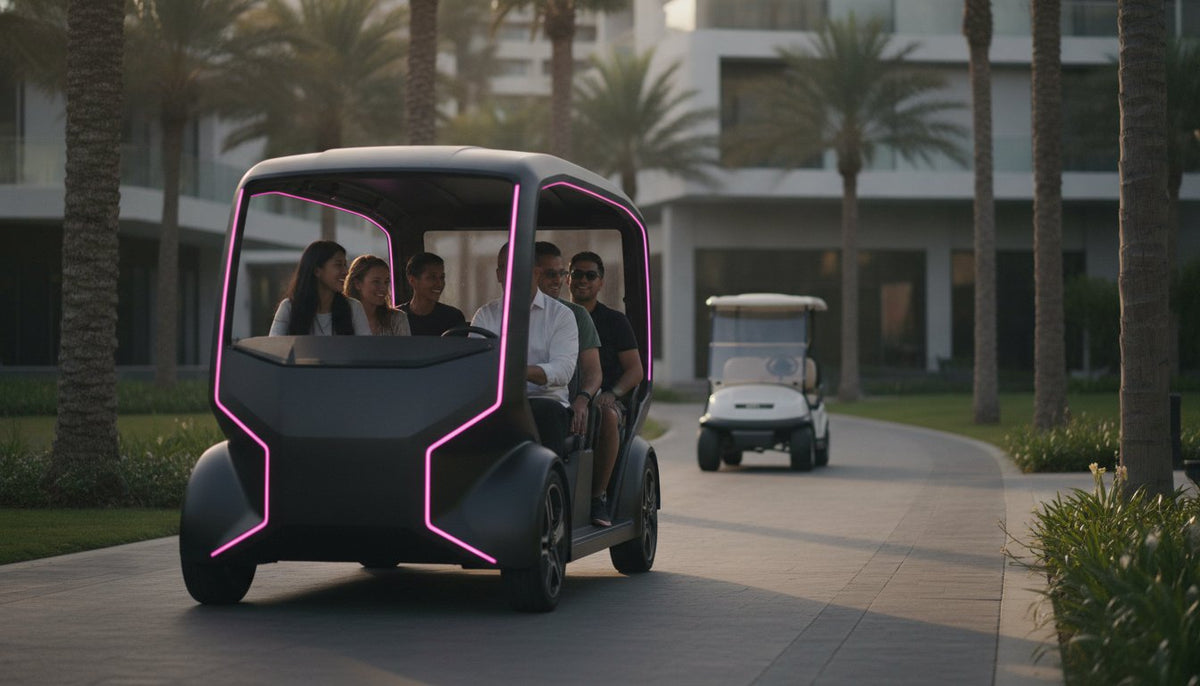
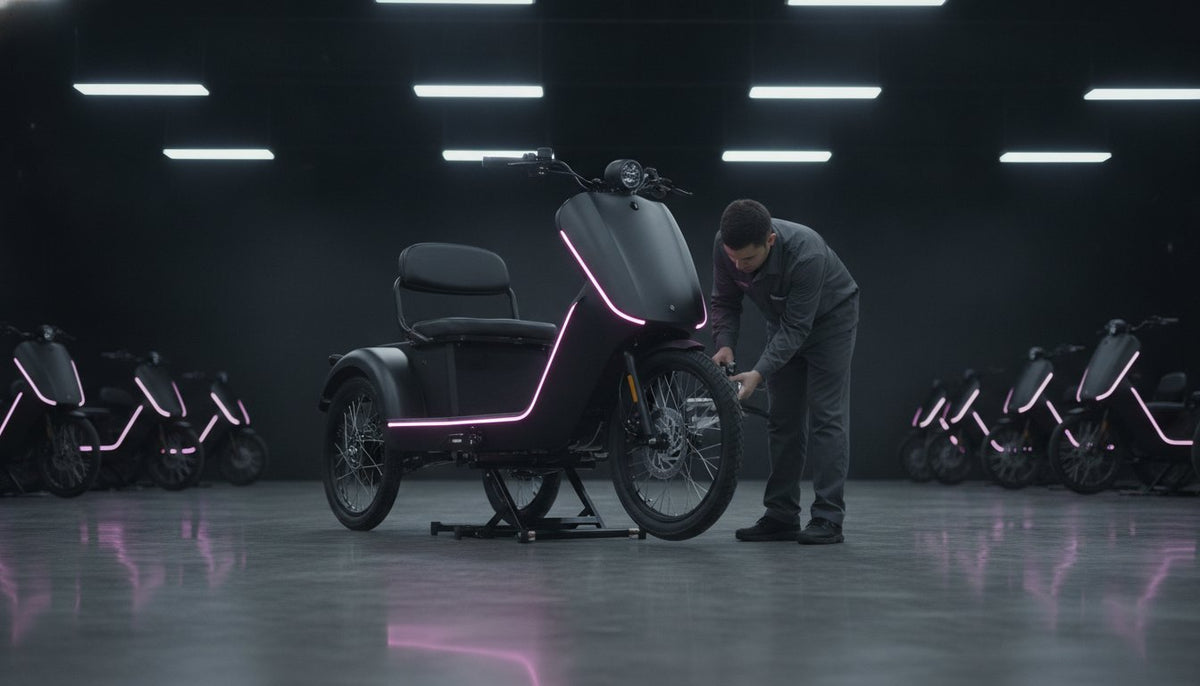
Most operators fail because they treat a pedicab purchase like buying a bike, but a true professional knows they are actually acquiring a high-utilization capital asset. You already know that consumer-grade trikes crumble under the weight of a grueling 8-hour commercial shift, leading to spiraling maintenance costs and sidelined revenue. Mastering how to buy a pedicab fleet requires moving past hobbyist specs and focusing on industrial engineering that survives the street. We understand the frustration of battery range anxiety and the logistical headache of shipping large vehicles across the country. It is time to stop buying equipment and start building a dominant transport business.
This 2026 procurement guide delivers the definitive blueprint for building a turnkey fleet solution with rugged, high-utilization durability. You will learn to master the strategic process of acquiring, configuring, and deploying industrial-grade electric units for maximum commercial ROI. We provide a deep dive into the mechanics of 72V lithium systems, the math behind ad-driven revenue models, and the logistics of national fleet deployment. This article outlines everything from selecting the right motor torque for heavy passenger loads to securing a reliable national parts supply for your operation.
Key Takeaways
- Identify the critical industrial engineering specs, including reinforced frames and 750W transaxle motors, that separate commercial assets from hobbyist toys.
- Master how to buy a pedicab fleet by balancing high-capacity 6-seat models with agile 3-seat workhorses to maximize your territory's revenue potential.
- Navigate the complexities of national shipping and procurement logistics to ensure your industrial-grade fleet arrives street-ready across all 50 states.
- Discover how USA-based manufacturing and 72V lithium systems reduce long-term maintenance overhead and secure a higher commercial ROI.
- Leverage two decades of operational expertise to avoid common procurement pitfalls and deploy a turnkey transit solution designed for grueling 8-hour shifts.
The Professional Blueprint for Pedicab Fleet Procurement
Procuring a fleet is a high-stakes strategic maneuver. It isn't about finding the lowest price; it's about securing high-yield assets that won't fail when the city is packed. Understanding how to buy a pedicab fleet begins with a fundamental shift in perspective. You aren't just buying bikes; you're investing in industrial-grade transit hardware designed for grueling, high-utilization environments. While a Cycle rickshaw history and overview shows how far the industry has come from simple pedal power, the modern commercial landscape requires a professional-grade fleet to survive.
Success in this industry rests on three primary revenue pillars: passenger fares, high-ticket charter contracts, and out-of-home (OOH) advertising. Data shows that pedicab advertising generates a staggering 85% brand recall rate, turning your vehicles into mobile billboards that pay for themselves. To capture this revenue, you must approach starting a pedicab company with a focus on durability and scale. Transitioning from enthusiast-level equipment to commercial hardware is the difference between a profitable enterprise and a logistical nightmare.
Shifting from Expense to Capital Asset
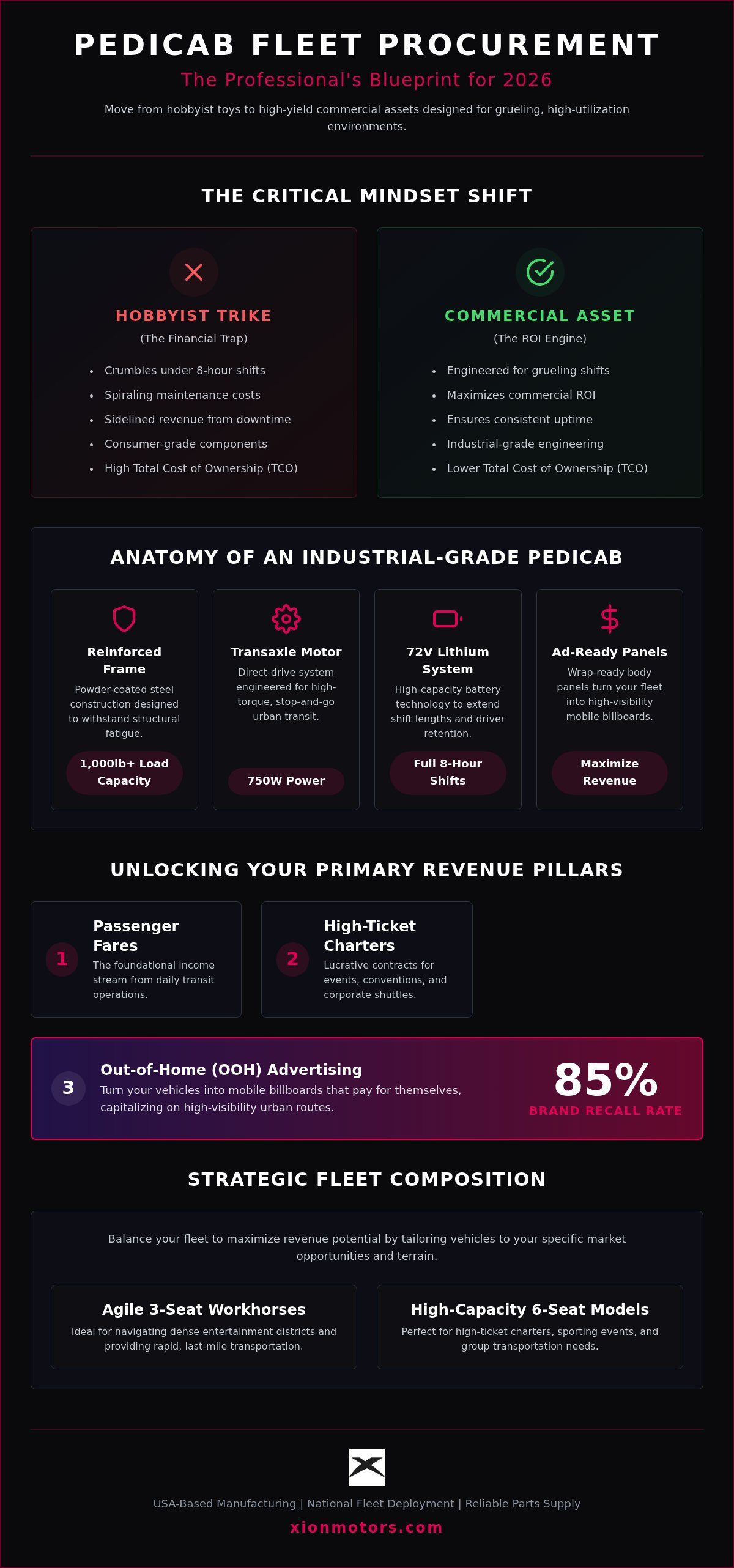
Cheap consumer trikes are a financial trap. They lack the reinforced frames and heavy-duty components required to haul 1,000lb+ loads day after day. When you calculate the Total Cost of Ownership (TCO), the "savings" on entry-level models vanish into maintenance labor and lost shift revenue. High-performance electric assist is now the industry standard for 2026. Integrating 72V lithium battery systems and 750W direct-drive transaxle motors doesn't just improve performance; it directly impacts your bottom line by increasing driver retention and extending shift lengths to a full 8 hours.
Identifying Your Operational Environment
Every city presents unique mechanical challenges. A fleet operating in a flat entertainment district has different needs than one navigating a hilly historic center. High-torque motors are non-negotiable for regions with significant elevation changes. Beyond tourism, there is a massive surge in demand for last-mile transportation in urban logistics. Whether you're moving people through a convention center or providing eco-friendly shuttles for a major sporting event, your equipment must be tailored to the terrain. We've spent two decades in the trenches and know that a "one size fits all" approach leads to mechanical failure. Choose a fleet configuration that matches your specific market opportunities.
Industrial-Grade Engineering: What to Look for in Fleet Vehicles
Engineering is the silent driver of your profit margin. When researching how to buy a pedicab fleet, the technical specifications are more than just numbers; they are the difference between a vehicle on the street and one in the shop. A professional-grade chassis must be constructed from powder-coated steel to withstand 1,000lb+ loads without structural fatigue. Much like how custom motorcycle builders explore harley davidson carbon fiber to achieve the perfect balance of strength and weight for performance applications, pedicab operators must prioritize materials that ensure long-term durability. This is a non-negotiable standard for any operator serious about longevity. Rugged frames provide the security of proven financial viability by ensuring your assets don't buckle under the pressure of constant commercial use.
The drivetrain requires equal scrutiny. We utilize 750W direct-drive transaxle motors because they offer superior commercial reliability compared to standard hub motors. While hub motors often fail under high-torque demands, a transaxle system is engineered to handle the constant stop-and-go of urban transit. This industrial approach ensures your fleet stays operational during peak demand periods. It's a pragmatic choice that favors durability over the whims of consumer-grade tech.
The CyberX Engineering Standard
The CyberX represents the pinnacle of structural integrity in the modern market. By employing direct-drive systems, we eliminate the common failure points found in standard e-bikes, such as broken chains and stripped gears. These vehicles are built to work. Beyond the mechanics, the CyberX features wrap-ready body panels specifically designed to maximize secondary advertising revenue. These flat surfaces turn every trip into a high-visibility marketing event, significantly shortening your path to ROI. If you're ready to scale, exploring our Pedicab Fleet Packages is the next logical step.
Safety and Battery Architecture
A professional fleet must be capable of 8-hour shifts without mid-day charging. Our 72V lithium battery systems provide a 40+ mile daily range, ensuring your drivers can stay out until the last passenger is home. Safety isn't an afterthought; it's a requirement to meet strict Pedicab business licensing requirements. Every vehicle must be equipped with hydraulic braking systems for reliable stopping power and integrated LED lighting for safe night operations. These features protect your drivers, your passengers, and your capital investment from the risks of the road.
Maintenance Accessibility
Downtime is the enemy of growth. Fleet owners need standardized parts to ensure that a minor mechanical issue doesn't sideline a vehicle for days. We prioritize the availability of replacement components like heavy-duty wheels and motors to keep your operation moving. Commercial continuity is the ability to swap parts in under 30 minutes. By maintaining a stock of universal components, you ensure that your fleet remains a high-utilization asset rather than a maintenance liability.
Strategic Fleet Composition: Balancing 3-Seat and 6-Seat Models
A dominant fleet is never a monolith. Composition is the difference between an operation that merely survives and one that dominates a territory. When determining how to buy a pedicab fleet, you must move beyond a one-size-fits-all mentality. The most successful operators deploy a hybrid strategy that balances agile workhorses with high-capacity units. This mix allows you to capture the high-frequency solo traveler while simultaneously dominating the lucrative group charter market. Your revenue potential is directly tied to your ability to match vehicle capacity with real-time demand.
The 3-Seat Advantage for Agility
The 3-seat model is the undisputed backbone of urban operations. These vehicles are engineered for the point-to-point fare model, allowing drivers to navigate tight urban corridors and high-traffic entertainment districts where larger vehicles might struggle. Drivers consistently prefer the maneuverability of a 3-seat chassis during peak hours. It's a pragmatic choice for high-utilization environments where speed and agility translate directly into more completed fares per shift. In jurisdictions where regulations strictly limit capacity to three passengers, these models are the non-negotiable standard for compliance and operational efficiency.
Scaling with 6-Seat High-Volume Units
While the 3-seat model provides consistency, the 6 seat electric pedicab is your high-capacity force for scaling revenue. These units are essential for managing hotel shuttles, venue transfers, and large event groups. The ROI on a 6-seat model often outpaces smaller units during group tours and wedding charters because you're effectively doubling your passenger yield per trip. Beyond fares, these larger vehicle bodies offer significantly more advertising real estate. This extra surface area is a premium asset for OOH advertising contracts, providing a massive visual impact that brands are willing to pay a premium for.
A balanced fleet typically follows a 70/30 or 80/20 ratio, favoring 3-seat models for daily urban saturation while keeping 6-seat units ready for high-ticket bookings. You must verify street-legal status within your specific operating zone before deployment. Capacity affects permit requirements and insurance premiums across different municipal jurisdictions. A professional operator understands that fleet composition is a dynamic tool. It must be refined based on the specific regulatory landscape and the unique passenger flow of your target market. Build a fleet that's as versatile as the city it serves.
National Procurement: Logistics, Shipping, and Fleet Support
Procurement is more than a transaction; it is a logistical deployment. When you are analyzing how to buy a pedicab fleet, you must account for the physical reality of moving industrial equipment across state lines. We provide direct-to-operator shipping to all 50 states, bypassing the inefficiencies of traditional dealership networks. This model ensures that the expertise of the manufacturer stays connected to the operator from the factory floor to the city street. Our USA-based manufacturing and support teams provide a level of accountability that international middle-men cannot match.
Lead times are a critical variable in your launch timeline. While single-unit orders often ship from existing inventory, fleet orders of 3 or more units require coordinated production scheduling. Planning for these windows is essential for hitting seasonal peaks or major event dates. A direct relationship with our team means you have lifetime phone and email support from veterans who have spent 20 years managing these exact operations. We don't just sell hardware; we provide the operational intelligence required to keep that hardware generating revenue.
Fleet Pricing and Tiered Discounts
Strategic buyers optimize their capital expenditure through volume. We offer tiered fleet pricing starting at the 3-unit threshold, allowing you to scale your operation with improved margins from day one. Do not just buy the vehicles; bundle a comprehensive replacement parts package with your initial order. This ensures commercial continuity by having essential components on hand before you need them. Every frame in our professional line is backed by a 2-year warranty, providing a secure layer of asset protection that consumer brands simply cannot match.
Delivery and Assembly Protocols
Your fleet arrives in specialized crates designed to protect the structural integrity of the reinforced frames during transit. The unboxing process is the first step in your final inspection protocol. Every vehicle must be verified for Class 2 electric-assist standards to ensure immediate street-legal status in most jurisdictions. This includes confirming the 750W motor output and throttle configurations. Our technical support team is available during this initial deployment phase to guide your mechanics through the final assembly and safety checks.
For a detailed roadmap on sustaining your equipment after the launch, consult our electric pedicab maintenance guide. If you are ready to secure your production slot and discuss volume options, contact us for a custom fleet quote today.
Scaling Your Operation with Xion Motors Fleet Packages
Scaling a commercial transit operation requires a partner who has already navigated the pitfalls of the street. At Xion Motors, we don't just manufacture vehicles; we bake 20 years of operational fleet experience into every weld and wiring harness. When you are finalizing your strategy on how to buy a pedicab fleet, the origin of your hardware dictates your long-term success. USA-based manufacturing isn't just a badge of pride. It is a pragmatic solution to the maintenance headaches that plague imported, consumer-grade equipment. Our 750W transaxle motors and 72V lithium systems are engineered to survive the high-torque demands of an 8-hour shift, ensuring your assets remain on the road and out of the repair bay.
Positioning custom electric trikes for business as your primary transit solution provides the ultimate competitive differentiator. Whether you're deploying the CyberX for urban saturation or the VorteX for specialized tours, you're offering a level of professional-grade reliability that passengers and advertisers respect. We invite you to consult with our fleet experts to refine your personalized configuration. We've spent decades in the trenches, and we're ready to share the tools we've perfected with your team.
Why Manufacturer-Direct Matters
Eliminating middlemen is the most effective way to ensure the highest quality-to-price ratio for your capital investment. When you work directly with us, you gain direct access to the engineers who designed the CyberX and VorteX lines. This isn't a retail transaction; it's a professional partnership. Fleet operators receive priority support to minimize vehicle downtime, ensuring that replacement parts and technical advice are never more than a phone call away. We understand that every hour a vehicle is sidelined is an hour of lost revenue; therefore, we've built our support infrastructure to mirror the pace of your business.
Next Steps for Your Fleet Launch
Your journey toward a high-utilization transit operation begins with a clear understanding of the numbers. Start by reviewing our electric pedicab fleet packages to see how industrial-grade engineering translates into ROI projections. Once you've identified your ideal capacity mix, request a formal quote for 3 or more units to qualify for tiered fleet pricing. Securing your production slot now is critical for meeting the demands of the upcoming peak tourism season. Don't wait for the market to move; lead it with hardware that is built to win.
Deploying Your High-Yield Transit Asset
Building a successful operation is a strategic maneuver that requires a veteran's perspective. You now understand that industrial-grade engineering, specifically 750W transaxle motors and 72V lithium systems, is the non-negotiable standard for commercial continuity. Balancing agile 3-seat workhorses with high-capacity 6-seat units ensures your operation is ready for every revenue opportunity, from solo urban fares to high-ticket group charters. Mastering how to buy a pedicab fleet means choosing assets that generate consistent profit instead of spiraling maintenance bills. The "Direct from Maker" advantage eliminates middlemen and connects you directly with the engineers who perfected these tools.
Xion Motors brings over 20 years of fleet experience to your launch, providing the rugged authority of a seasoned industry veteran. We back our craftsmanship with a 2-year industrial frame warranty to secure your capital and offer direct-to-operator shipping across all 50 states. It's time to stop researching and start deploying. Your city's transit needs are evolving, and the opportunity to dominate your local market is now. Request a Fleet Quote Direct from Xion Motors to secure your equipment for the upcoming peak season. Build your legacy with hardware that is built to win.
Frequently Asked Questions
How many units qualify for Xion Motors fleet pricing?
Operators qualify for specialized fleet pricing when purchasing 3 or more units. This tiered structure allows businesses to scale their commercial presence while optimizing their initial capital expenditure. By bypassing traditional dealership markups and working directly with the manufacturer, you secure the best possible value for industrial-grade assets. This direct relationship is the most efficient way to learn how to buy a pedicab fleet with maximum ROI.
Do you ship electric pedicabs to all 50 states?
Yes, we provide direct-to-operator shipping for all our electric pedicabs across all 50 states. We utilize specialized logistics partners who understand the requirements of transporting large, industrial-grade vehicles safely. Every shipment is tracked from our production facility to your operational headquarters, ensuring your new assets arrive street-ready and protected. This national coverage supports fleet operators from coast to coast without the need for regional middle-men.
What is the average battery range for a commercial pedicab shift?
Our 72V lithium battery systems are engineered to deliver a reliable 40+ mile range on a single charge. This capacity is specifically designed to support full 8-hour commercial shifts without the need for mid-day recharging. Factors such as passenger weight, terrain, and the use of the 750W direct-drive motor will influence total range. These high-performance power systems ensure your drivers can stay on the street during peak demand periods.
Can I customize the advertising panels on my fleet?
Every vehicle in our fleet line features wide, flat body panels designed for high-impact out-of-home advertising. These panels are wrap-ready, allowing you to deploy custom branding for your own company or high-ticket corporate sponsors. Branded pedicabs generate significant daily advertising revenue and have a high brand recall rate of 85%. This secondary revenue stream is a critical component of professional fleet management and significantly accelerates your return on investment.
What is the difference between the 3-seat and 6-seat models?
The primary difference lies in passenger capacity and operational agility. Our 3-seat models, such as the CyberX, serve as agile urban workhorses for point-to-point fares in dense traffic. The 6-seat models are high-capacity forces designed for group tours, wedding charters, and hotel shuttles. While the 3-seat units offer superior maneuverability, the 6-seat units maximize revenue per trip by doubling passenger yield and offering more advertising real estate.
Are Xion Motors pedicabs street legal as Class 2 e-bikes?
All vehicles are engineered to meet Class 2 electric-assist standards, featuring a 750W motor and throttle-actuated power. This classification is the standard for street-legal operation in most jurisdictions across the country. However, you must always verify specific municipal regulations, as licensing and insurance requirements vary significantly by city. We provide the industrial-grade hardware that meets federal e-bike definitions to ensure your fleet is built on a compliant, professional foundation.
How long is the warranty for a commercial pedicab fleet?
We provide a 2-year industrial frame warranty on all our professional-grade fleet vehicles. This warranty reflects our confidence in the structural integrity of our powder-coated steel chassis and reinforced frames. It serves as a trust builder for operators who require their assets to withstand 1,000lb+ loads during grueling daily shifts. This protection ensures that your capital investment remains secure as you focus on scaling your commercial transit business.
Do you provide replacement parts for maintenance?
Maintaining commercial continuity depends on the ability to swap parts in under 30 minutes. We maintain a comprehensive inventory of vehicle parts and maintenance components to support long-term fleet health. From 750W transaxle motors to heavy-duty wheels and hydraulic braking components, we provide everything needed for rapid on-site repairs. By sourcing directly from the manufacturer, you ensure that every replacement part meets the original industrial engineering standards of your fleet.