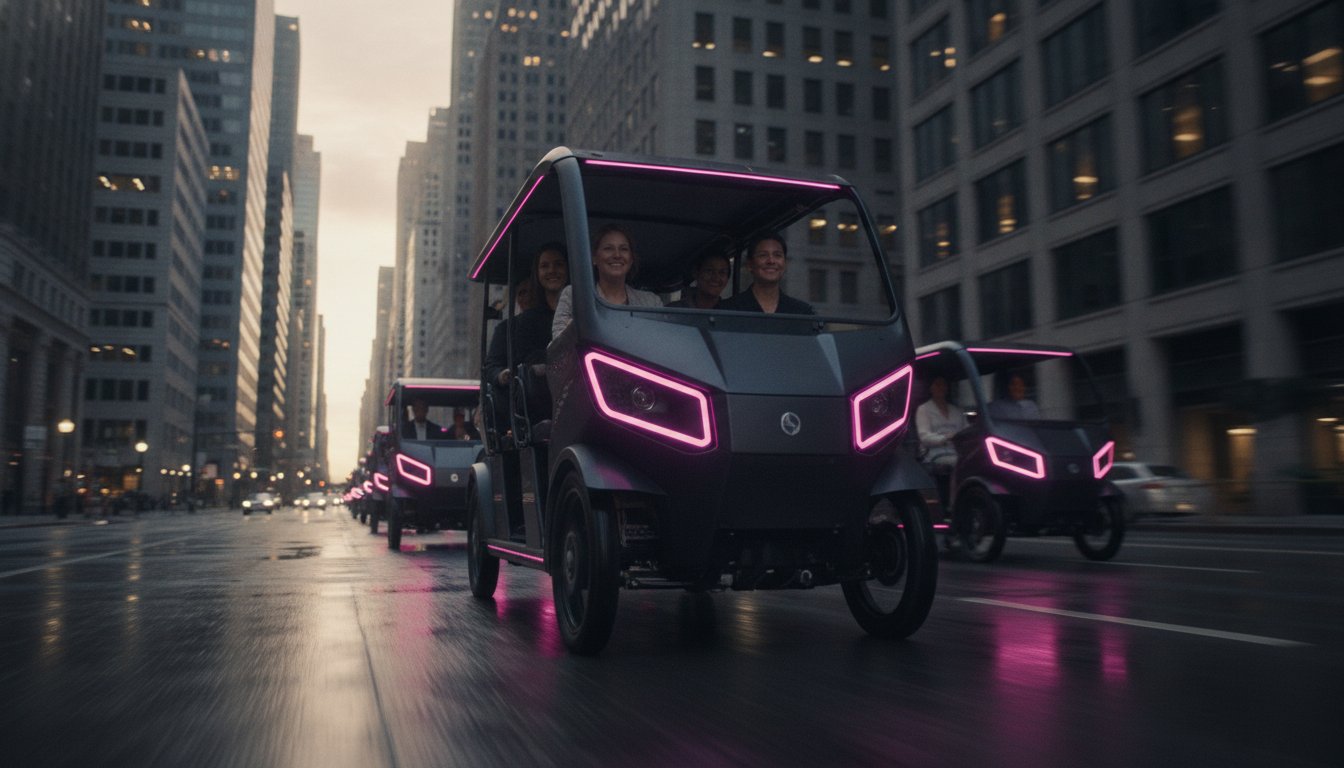
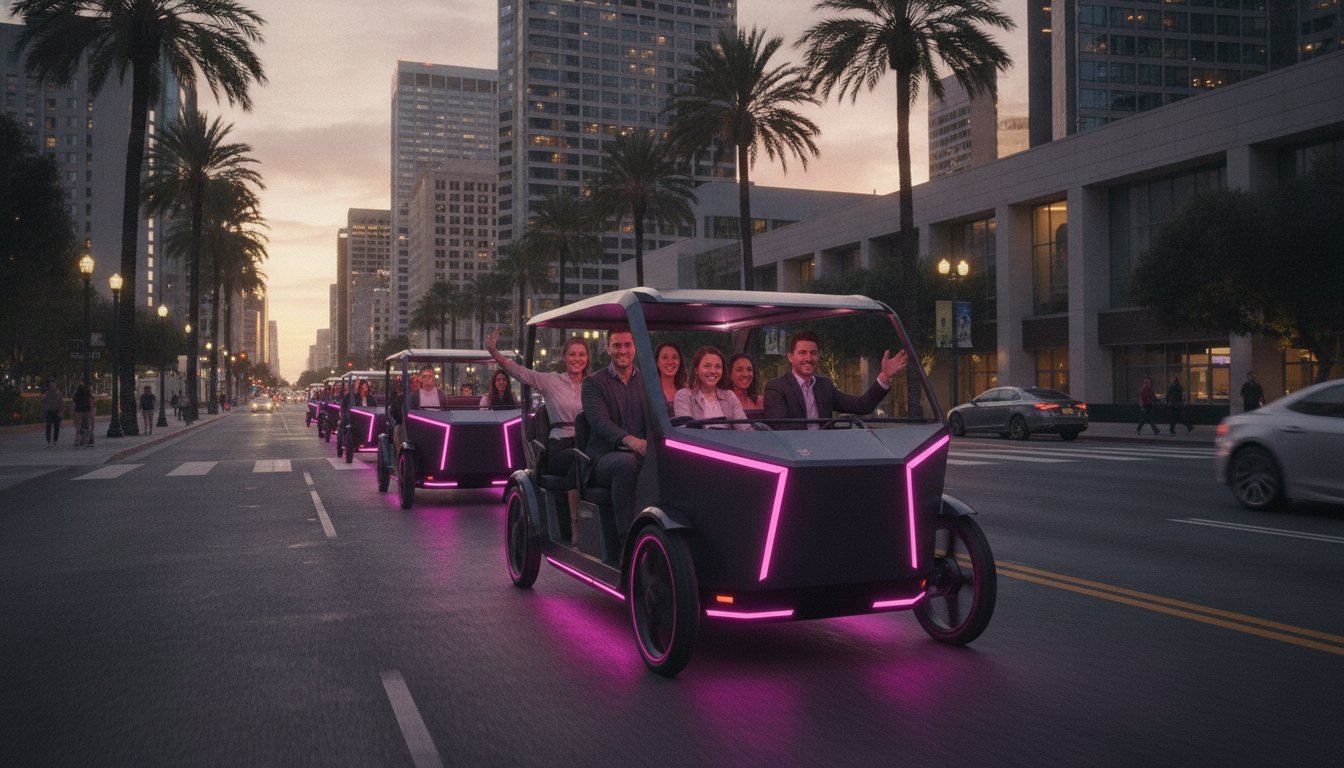
Most fleet operators view urban transit as a persistent cost center, yet industrial-grade electric pedicabs transform these units into high-torque revenue engines. A single commercial vehicle can generate over $30,000 in annual revenue. If you're managing a fleet in 2026, you've likely realized that consumer-grade equipment simply doesn't survive the rigors of the street. To truly maximize your electric pedicab ROI, you need a vehicle engineered for 24/7 commercial duty that bypasses the high fuel costs and regulatory bottlenecks of traditional gas shuttles.
We understand the frustration of frequent downtime and the rising pressure of zero-emission mandates like the UL 2849 safety certification. You need equipment that delivers professional-grade durability without sacrificing the power required for heavy payloads. This comparison reveals how industrial trikes outperform golf carts and vans by accessing restricted pedestrian zones and maintaining low-maintenance operations. You'll discover the exact path to achieving a 300% ROI within your first year of operation while securing your market leadership in the modern transit landscape.
Key Takeaways
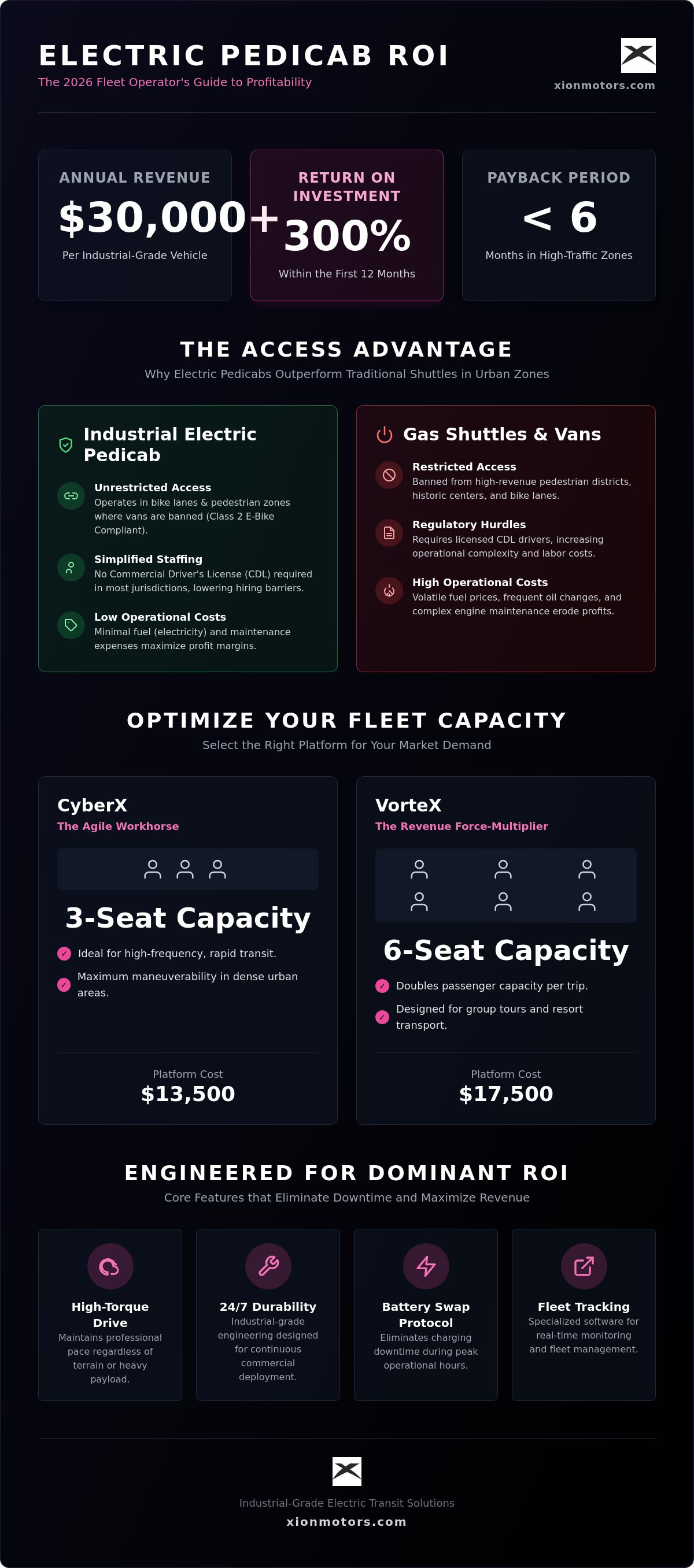
- Unlock $30,000+ in annual revenue per vehicle by deploying high-torque drive systems engineered for high-traffic urban zones.
- Leverage Class 2 e-bike compliance to gain a critical "access advantage" in restricted pedestrian districts where traditional gas shuttles are banned.
- Calculate the specific operational cost savings and revenue drivers that fuel a 300% electric pedicab ROI within the first 12 months.
- Eliminate operational downtime during peak hours by implementing industrial-grade battery swap protocols and specialized fleet tracking software.
- Select between the CyberX and VorteX platforms to optimize your fleet capacity for high-volume transit or specialized group tours.
The 2026 Economics of Electric Pedicab Operations
Profitability in urban transit is no longer about moving the most people; it's about moving them through the most restricted spaces with the lowest possible overhead. Traditional shuttles are failing under the weight of rising fuel costs and tightening city regulations. Modern fleet operators are shifting their capital toward industrial-grade trikes because the electric pedicab ROI is fundamentally superior to gas-powered alternatives. This isn't a theoretical projection. It's a result of high passenger turnover and near-zero fuel expenses.
Industrial engineering changes the math of downtime. While consumer-grade bikes break under the strain of 12-hour shifts, professional units are built for 24/7 deployment. The evolution of the electric rickshaw from a localized transport tool into a high-performance commercial vehicle has redefined last-mile logistics. In 2026, urban planning prioritizes vehicles that can navigate narrow corridors and pedestrian-heavy districts without creating noise or air pollution. Every hour a vehicle spends in the shop is a direct hit to your bottom line. We build for durability because a stationary vehicle is a liability, not an asset.
The Shift from Pedal to Power
Human-powered units are obsolete in high-volume commercial environments. Manual pedaling is a liability that leads to inconsistent schedules and rapid driver burnout. High-torque electric motors allow your fleet to maintain a professional pace regardless of terrain or payload. By removing the physical strain, you improve driver retention and ensure vehicles stay on the street generating revenue. Power isn't just a luxury; it's the core component of operational consistency. If your drivers are exhausted by mid-day, your revenue potential is cut in half.
Regulatory Advantages of Class 2 Compliance
Class 2 e-bike compliance is the secret weapon for modern fleet operators. This classification allows your vehicles to access bike lanes and pedestrian zones that are strictly closed to golf carts and vans. You bypass expensive commercial driver license (CDL) requirements in most jurisdictions, which lowers your barrier to hiring. Operating a compliant fleet ensures your business remains viable as cities lock down historic districts to internal combustion engines. This regulatory freedom directly accelerates your electric pedicab ROI by placing your services exactly where demand is highest.
Calculating the ROI: Revenue Drivers and Operational Costs
Generating $30,000 in annual revenue per vehicle is a standard benchmark for operators utilizing industrial-grade equipment. This isn't a speculative figure; it's the result of high-frequency passenger turnover in dense urban corridors. While gas-powered shuttles lose margin to volatile fuel prices and complex mechanical failures, electric trikes maintain a lean operational profile. Your electric pedicab ROI scales because you're replacing expensive combustion components with high-torque electric drive systems that require minimal intervention.
Operational expenses (OpEx) for an electric fleet are remarkably low. Electricity costs are negligible compared to gas, and insurance premiums for UL 2849 compliant vehicles typically range between $450 and $1,000 per year for a $1 million policy. This mirrors broader industrial shifts where federal reports suggest agencies could save $6 billion over 15 years by electrifying their fleets. Beyond direct fares, savvy operators leverage their vehicles as mobile billboards. High-visibility industrial frames serve as premium advertising real-estate, creating a secondary revenue stream that often covers the entire monthly financing cost of the unit.
Revenue per Seat: 3-Seat vs. 6-Seat Models
The CyberX is the agile workhorse of the industry. At a $13,500 price point, this 3-seat model is designed for rapid, high-frequency transit where maneuverability is paramount. For group tours and resort transport, the $17,500 VorteX acts as a force-multiplier by doubling passenger capacity per trip. Most operators find the "payback period" for these units is less than six months when deployed in high-traffic entertainment districts. Choosing the right seat configuration allows you to tailor your fleet to specific local demand, ensuring every mile driven maximizes your electric pedicab ROI.
The "Invisible" Savings of Electric Transit
Complexity is the enemy of profit. By eliminating gas, oil changes, and traditional transmissions, you remove the most common points of failure in a transit fleet. In a high-density entertainment district, a mere $0.50 of electricity can generate $100 in fares during a single peak-hour shift. Utilizing comprehensive electric pedicab maintenance guides ensures your equipment remains street-ready while minimizing long-term capital expenditure. If you're ready to modernize your operations, our Pedicab Fleet Packages provide the industrial foundation needed for dominant market performance.
Electric Pedicab vs. Gas Shuttles and Golf Carts
Comparing different vehicle classes requires a deep analysis of the Total Cost of Ownership (TCO) across the entire operational lifecycle. Gas shuttles are burdened by mechanical complexity and high fuel volatility. Golf carts are limited by their wide footprint and lack of structural durability. An industrial electric pedicab operates in the narrow gaps where these vehicles simply cannot go. This geographic freedom is a primary driver of electric pedicab ROI. It's about placing your revenue engine exactly where the customers are, rather than waiting for them to find a designated shuttle stop.
In high-traffic entertainment districts, maneuverability is your greatest asset. A full-sized van is an operational liability in gridlock. It's slow, difficult to park, and expensive to insure. Pedicabs navigate through traffic, providing an open-air "Experience Factor" that tourists actively seek out. People pay a premium for the view and the novelty, allowing you to command higher fare rates than a generic enclosed shuttle. You also benefit from lower liability costs. Because these units are classified as e-bikes, they avoid the massive insurance premiums associated with heavy motor vehicles.
Maintenance and Durability Comparison
Golf carts are engineered for manicured fairways, not the fractured pavement of a modern urban center. Their suspension systems frequently fail under the constant vibration and heavy passenger loads of city streets. In contrast, CyberX engineering utilizes reinforced steel frames and industrial-grade components designed for thousands of hours of annual operation. We focus on structural integrity because we know that equipment failure is the fastest way to erode your margins. Our direct-to-operator model ensures rapid parts availability, keeping your fleet active while others wait weeks for specialized repairs.
Access and Route Flexibility
Modern cities are increasingly implementing "No-Car" zones in historic corridors and waterfront districts. These areas represent the most profitable territory for transit operators, yet they are off-limits to traditional gas vehicles. Commercial electric pedicabs solve the last-mile bottleneck by moving passengers from transit hubs directly to restricted destinations. This efficiency directly increases your electric pedicab ROI by allowing for more completed trips per hour. You don't just compete on price; you compete on the ability to deliver passengers to the front door of their destination.
Maximizing Fleet Performance: Operational Continuity
Professional fleet management is the difference between owning a collection of bikes and operating a high-yield transit system. To protect your electric pedicab ROI, you must move beyond reactive maintenance and embrace industrial-grade operational protocols. Uptime is the only metric that matters when the sun goes down and the crowds arrive. Implementing specialized electric pedicab fleet management software allows you to track vehicle health and passenger turnover in real time, ensuring every unit in your stable is performing at peak efficiency.
Operational continuity relies on a disciplined battery swap protocol. Don't wait for a charge; replace the power source. Our systems are engineered for rapid swaps that return a vehicle to the street in under three minutes, effectively doubling your earning window during high-traffic peak hours. This level of readiness requires a commitment to authentic vehicle parts. Substituting industrial components with consumer-grade hardware is a recipe for catastrophic failure. We provide direct access to the same heavy-duty parts used in our original builds because we know that commercial continuity is built on engineering integrity.
Scaling Your Revenue Force
Transitioning from a single pilot unit to a full-scale operation requires a strategic shift in capital allocation. Operators often begin with a single trike to prove the concept before investing in electric pedicab fleet packages that lower the per-unit cost. Scaling your fleet allows you to dominate specific high-traffic corridors and establish brand dominance. If you're currently in the planning stages of starting a pedicab company, focus on the unit economics of a multi-vehicle rollout to maximize your market impact from day one.
Optimizing Battery and Motor Life
Thermal management is critical when operating high-torque motors in challenging, hilly terrain. Industrial trikes are built to handle these stresses, but smart charging cycles are still necessary to extend battery health over 1,000+ charges. The duty cycle of an industrial electric trike represents the percentage of time a vehicle can operate under maximum load without thermal degradation or mechanical failure. By training your drivers to manage these systems correctly, you extend the lifespan of your most expensive components. If you're ready to secure the most durable tools in the industry, explore our industrial-grade fleet equipment to start building your revenue engine.
The Xion Motors Standard: Tools for Dominant ROI
The foundation of a successful transit business isn't just a vehicle; it's the engineering that keeps that vehicle on the road. Xion Motors provides the industrial-grade hardware required to achieve a superior electric pedicab ROI in the most demanding urban environments. We don't sell hobbyist equipment. We provide high-performance revenue engines designed for 24/7 commercial deployment. Every weld and component choice is informed by 20 years of street-level fleet experience, ensuring your investment remains a profitable asset rather than a maintenance liability.
The CyberX is our agile solution for high-volume, 3-passenger transit. It's built for the operator who needs to navigate tight entertainment districts and maximize passenger turnover during peak windows. For those targeting group tours or resort transportation, the VorteX serves as a high-capacity force-multiplier. This 6-passenger platform allows you to double your earning potential per trip without increasing your driver headcount. Both models utilize high-torque drive systems capable of transporting heavy payloads through steep terrain without thermal degradation. Our direct-to-operator support and national shipping logistics ensure that your fleet is delivered ready for immediate deployment.
Engineering for the 12-Hour Shift
Durability is a non-negotiable requirement for commercial continuity. Our chassis are engineered for the relentless vibration and impact of city streets, utilizing professional-grade components that far exceed consumer standards. Made in the USA engineering isn't just a label; it's a guarantee of structural integrity and logistical reliability. This is the Xion Motors advantage: our vehicles are built by fleet operators for fleet operators. We understand the specific failure points of street-level transit because we've been in the trenches for decades. You can also utilize customization options for branding to transform each unit into a high-visibility mobile billboard.
Getting Started with Your ROI Analysis
Maximizing your electric pedicab ROI starts with selecting the right tool for your specific district. A dense tourist corridor might favor the agility of a CyberX fleet, while a sprawling resort property is better served by the capacity of the VorteX. Evaluating your local market needs is the first step toward building a dominant transit presence. We invite you to request a custom fleet quote tailored to your operational goals and geographic requirements. Don't settle for consumer-grade compromises that lead to frequent downtime and lost revenue. Take control of your local market and scale your fleet with Xion Motors today to secure your position as a leader in modern urban transit.
Dominate the Urban Transit Market
The transition toward electrified, agile transit is no longer a future projection; it's a current commercial necessity. By prioritizing industrial-grade engineering over consumer compromises, you secure a vehicle that remains on the street during your most profitable peak hours. We've demonstrated how the electric pedicab ROI is fueled by a unique combination of near-zero fuel costs and the ability to access high-traffic zones that remain closed to traditional gas shuttles. With a proven potential to generate over $30,000 in annual revenue per vehicle, these units represent the most efficient revenue engines available to modern operators.
Xion Motors stands as your veteran partner in this transition. Our industrial-grade CyberX and VorteX models are built specifically for the 24/7 demands of professional fleet operations. We provide national shipping and specialized fleet support to ensure your rollout is seamless and your operational uptime is absolute. Don't wait for your competitors to capture the restricted districts and historic corridors in your city. Take the decisive step toward building a high-yield transit stable that outpaces the status quo.
Calculate Your Fleet ROI with Xion Motors
It's time to equip your business with high-performance tools and watch your operational margins expand in real time.
Frequently Asked Questions
How much can a single electric pedicab earn per year?
A single industrial unit can generate over $30,000 in annual revenue when deployed in high-traffic entertainment districts. This benchmark is achieved through high-frequency passenger turnover and the ability to operate in restricted zones where larger vehicles are banned. Your electric pedicab ROI is maximized by maintaining a consistent schedule during peak hours when demand for short-distance transit is at its highest.
What is the average lifespan of an electric pedicab in commercial use?
Industrial-grade vehicles are engineered for a multi-year service life under 24/7 commercial conditions. While consumer-grade bikes fail within months, our reinforced steel frames and high-torque motors are built to endure thousands of hours of street-level operation. Regular adherence to professional maintenance protocols ensures your fleet remains a long-term revenue-generating asset rather than a depreciating liability.
Do I need a special license to operate an electric pedicab fleet?
Most jurisdictions don't require a Commercial Driver’s License (CDL) because these vehicles are classified as Class 2 electric bicycles. This regulatory advantage lowers your hiring barriers and training costs significantly compared to operating a van or bus fleet. You should always verify specific municipal permits and local "pedicab for hire" ordinances in your target city to ensure full operational compliance.
How does the maintenance cost of an electric pedicab compare to a golf cart?
Maintenance costs are substantially lower because you eliminate complex internal combustion components and fragile golf cart suspension systems. Industrial trikes utilize fewer moving parts, which reduces the frequency of mechanical failures and long-term capital expenditure. You trade expensive oil changes and transmission repairs for simple, routine checks of the electric drive and braking systems.
Can electric pedicabs handle steep hills with a full passenger load?
High-torque drive systems allow our vehicles to navigate steep inclines while carrying a full passenger load without thermal degradation. These motors are specifically engineered for heavy-duty transport, ensuring you don't lose speed or strain the hardware on hilly terrain. Consistent performance on inclines is vital for maintaining your electric pedicab ROI in geographically diverse markets like San Francisco or Seattle.
What are the insurance requirements for a commercial pedicab business?
Commercial general liability insurance is a standard requirement, with premiums typically ranging from $450 to $1,000 per year for a $1 million policy. Proof of UL 2849 safety certification is often a prerequisite for obtaining these competitive rates in 2026. Maintaining a compliant fleet ensures you meet local regulatory demands while protecting your business from unforeseen operational liability.
How long does it take to charge an electric pedicab battery?
A full charge typically takes four to six hours, but professional operators utilize battery swap protocols to eliminate charging downtime. Instead of waiting for a battery to charge, you simply swap in a fresh unit in under three minutes and return the vehicle to the street. This strategy ensures your fleet is always active and earning during the most profitable windows of the day.
Are Xion Motors pedicabs street legal in all 50 states?
Our vehicles are designed to meet federal Class 2 e-bike standards, making them legal for use in the vast majority of jurisdictions across the United States. However, individual municipalities often have specific rules regarding where pedicabs can operate and how they are permitted. It's essential to consult with your local transportation department to ensure compliance with city-specific transit codes and historic district restrictions.