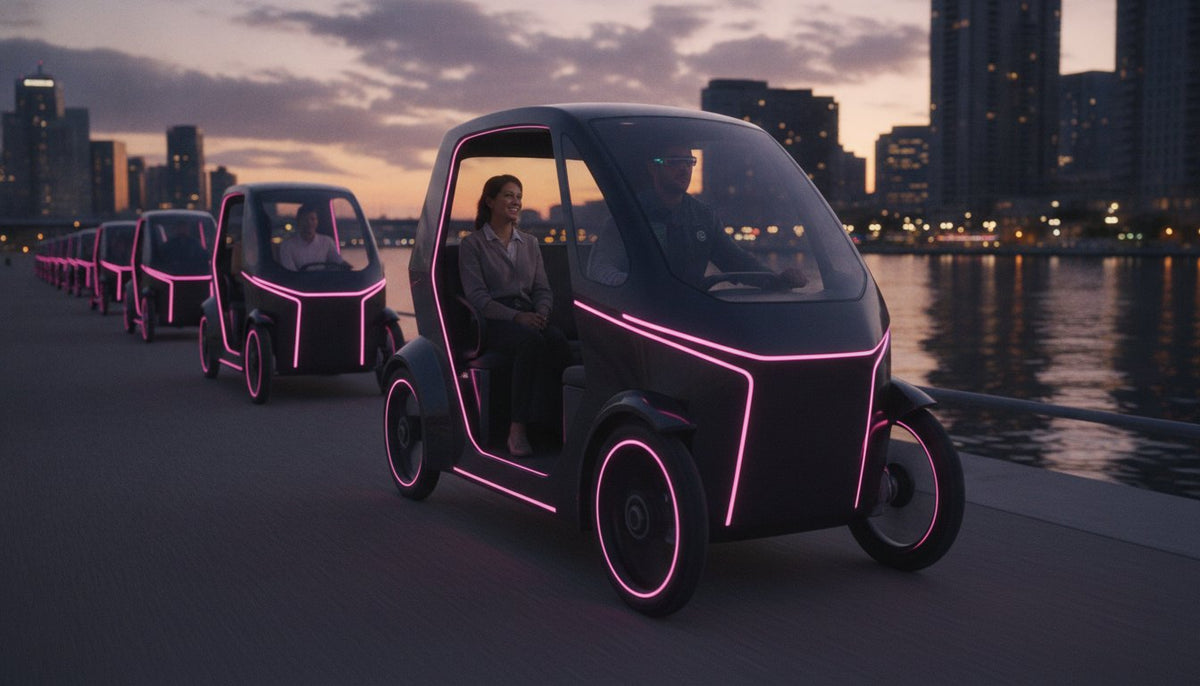
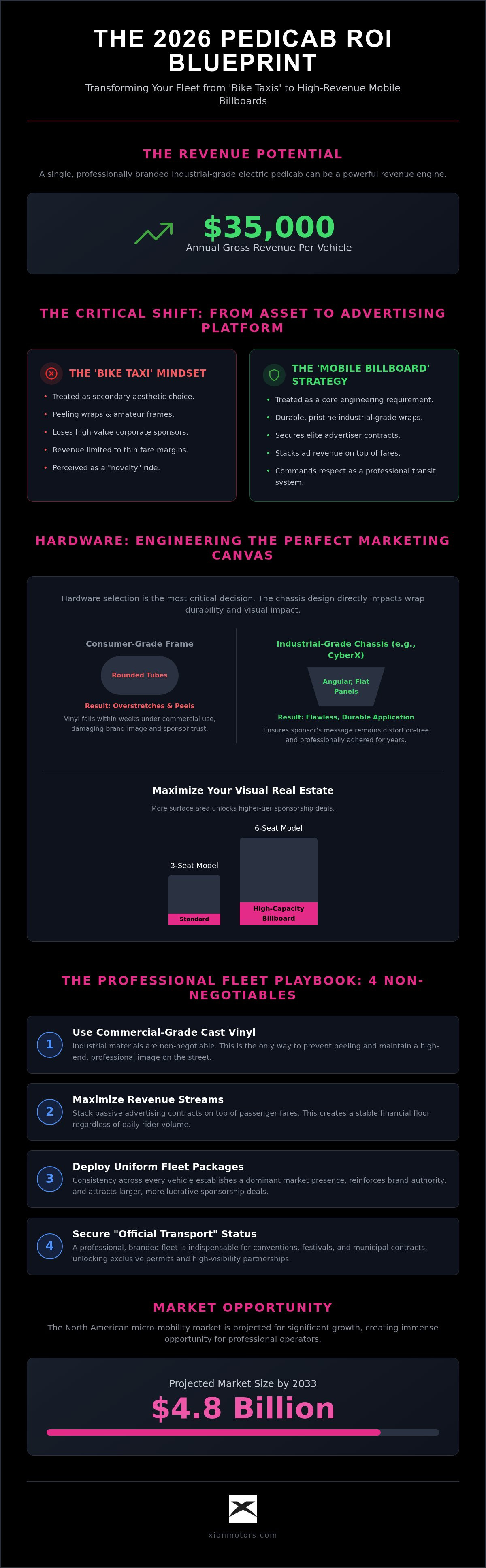
A single industrial-grade electric pedicab can generate $30,000 to $35,000 in annual gross revenue, and top operators earn more. Most operators never see these numbers because they treat branding a pedicab fleet as a secondary aesthetic choice rather than a core engineering requirement. You've likely felt the frustration of losing a high-value corporate sponsor because your wraps were peeling or your frames looked amateur compared to professional shuttles. It's a common hurdle for businesses trying to scale in a North American market projected to reach $4.8 billion by 2033.
Success in this industry requires a decisive shift from "bike taxi" to "mobile billboard." We'll show you how to transform your equipment into a high-revenue marketing powerhouse that commands respect from elite advertisers. This guide provides the 2026 blueprint for maximizing ROI through durable wrap engineering, professional aesthetics, and corporate-grade presentation strategies that survive the rigors of heavy commercial use.
Key Takeaways
- Treat your vehicles as industrial-grade mobile billboards to secure high-paying corporate contracts. Professionalism builds the trust necessary to command premium passenger rates.
- Understand why the angular engineering of the CyberX creates the ideal canvas for branding a pedicab fleet. A rugged chassis ensures your graphics remain pristine under heavy commercial use.
- Compare the ROI of full vinyl wraps against experiential brand ambassador models. Selecting the right branding tier allows you to align your fleet with specific advertiser goals.
- Use only commercial-grade cast vinyl to prevent peeling and maintain a high-end aesthetic. Industrial materials are non-negotiable for maintaining a professional image on the street.
- Deploy uniform fleet packages to establish a dominant market presence. Consistency across every vehicle reinforces your brand authority and attracts larger sponsorship deals.
Why Branding a Pedicab Fleet is the Ultimate ROI Driver in 2026
ROI in the micro-mobility sector isn't found in the thin margins of individual fares. It's built into the visual real estate of your assets. Effective branding a pedicab fleet represents the strategic intersection of a professional service identity and high-margin third-party advertising revenue. In high-traffic urban districts, an unbranded vehicle is a wasted asset; a professionally wrapped fleet is a revenue-generating powerhouse. The Cycle Rickshaw (Pedicab) has matured from a simple transport tool into a premium marketing platform. This evolution is driven by a deep psychological shift. A uniform fleet projects reliability and structural authority. Passengers pay more for professional transit. Corporate sponsors pay even more to align their brand with that perceived security.
Moving Beyond the 'Bike Taxi' Perception
The era of the whimsical bike ride is dead. Industrial-grade aesthetics are the foundation of branding a pedicab fleet for maximum ROI. These visuals command respect from city planners and corporate marketing directors. When you deploy a fleet that looks like a coordinated transit system, you shed the "novelty" label. You become a legitimate partner for municipal contracts and high-stakes corporate activations. High-impact graphics on a rugged chassis, such as the CyberX, prove your operation is built for scale. This professional presence is the only way to secure exclusive permits in districts where amateur operators are being pushed out.
The Multi-Stream Revenue Model
Profitability in 2026 requires diversified income. A branded fleet allows you to stack passenger fares on top of passive advertising contracts. This creates a financial floor for your daily operations regardless of rider volume. Strategic branding also unlocks "Official Transport" status at major conventions and festivals. When you are starting a pedicab company, your riders must act as brand ambassadors. A professional uniform and a branded vehicle transform a driver into a representative of a trusted entity. This added value makes your fleet indispensable to sponsors who demand high-visibility, professional interactions with their target demographic.
Preparing Your Hardware: Engineering the Perfect Marketing Canvas
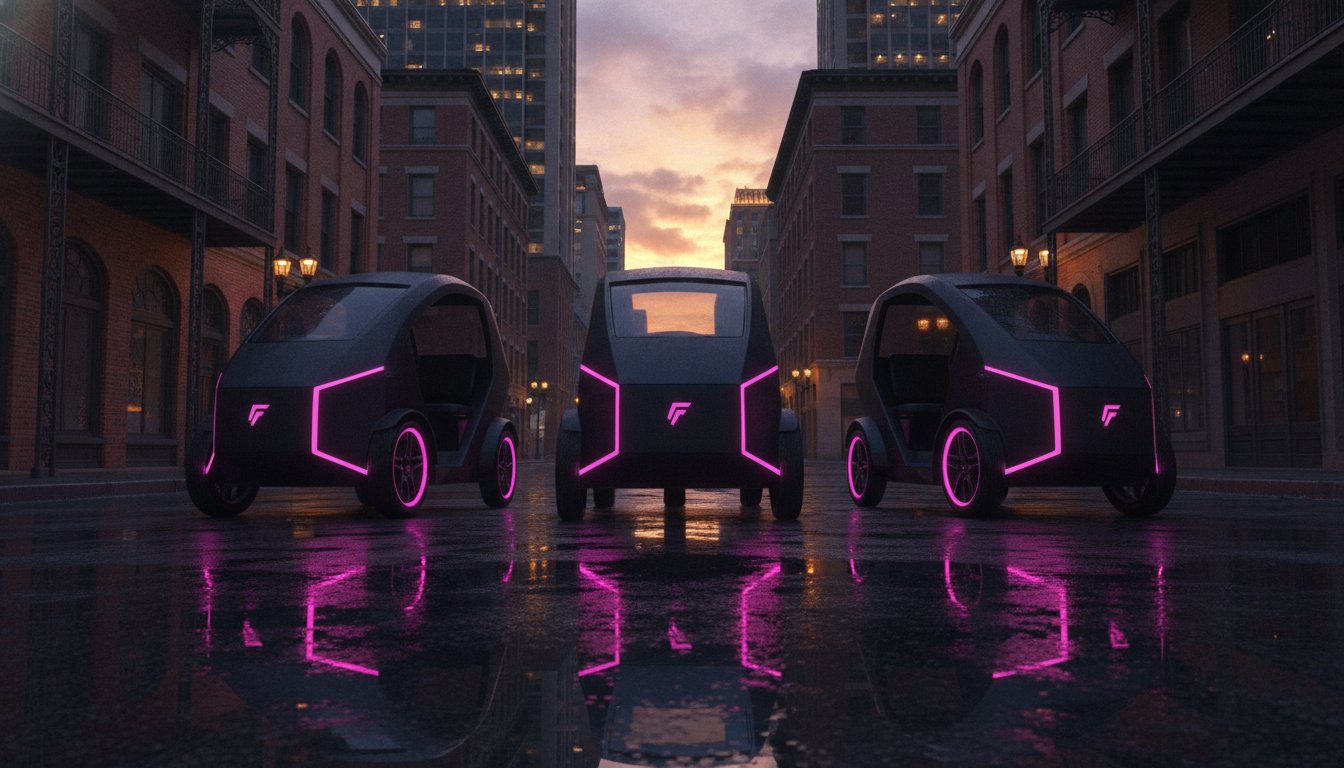
Hardware selection is the most critical decision in the branding process. You can't apply a professional wrap to a consumer-grade frame and expect it to survive commercial use. Cheap, rounded tubes cause vinyl to overstretch and peel within weeks of deployment. Successful branding a pedicab fleet requires a chassis specifically engineered for commercial graphics. The CyberX utilizes modern, angular designs that provide the necessary flat surfaces for high-impact visual communication. This engineering approach ensures that your sponsor’s message remains distortion-free and professionally adhered, even under the stress of daily urban operation.
According to Outdoor media strategies research from the University of Colorado Boulder, mobile advertising formats offer superior engagement compared to static billboards in dense urban environments. To capitalize on this engagement, you need to maximize your available surface area. A 6-seat vehicle offers significantly more brandable space than a standard 3-seat model. This extra room turns a simple transport vehicle into a high-capacity mobile billboard that attracts high-tier corporate sponsors. If you want to scale your revenue, you must start with a vehicle that offers a premium canvas.
Chassis Design and Visual Real Estate
The VorteX line simplifies the wrap process through its use of flat panels. These panels allow for faster installation and easier replacement if a section gets damaged during service. In this professional context, visual real estate is the total square footage of brandable surface on a 6-seat vehicle. Optimizing this space means placing high-contrast logos at eye level for pedestrians and in the line of sight for trailing motorists. Our professional fleet vehicles are designed to maximize every inch of this real estate without compromising the vehicle's structural integrity or performance.
Integrated Tech as a Branding Component
Modern 6 seat electric pedicab operations now integrate technology as a primary branding component. Integrated LED lighting isn't just for safety; it's a tool to reinforce brand colors during night-time operation. High-end advertisers expect their campaign colors to remain vibrant after sunset. Digital displays are also becoming the industry standard for 2026, allowing for rotating ads and dynamic content that static wraps can't match. Maintaining a high-tech image requires superior vehicle maintenance. A dirty or malfunctioning vehicle reflects poorly on the sponsor, so industrial-grade materials are essential for keeping your fleet in showroom condition year-round.
Industrial-grade materials dictate the final finish of your vinyl applications. If the substrate is subpar, the wrap will look amateur. We build our vehicles to serve as premium canvases for the world's most demanding brands. This attention to detail is why professional operators choose our platforms over modified bicycles. When your hardware is engineered for the street, your branding survives the street.
Strategic Branding Models: Wraps, Panels, and Brand Ambassadors
Choosing the right model for branding a pedicab fleet isn't just about aesthetics; it's a strategic operational decision that dictates your profit margins. You have three primary avenues: full wraps, partial panels, and experiential activations. Each carries a distinct cost-to-impact ratio. Full wraps provide the highest visibility and command the highest advertising rates, making them ideal for long-term corporate partnerships. Partial panels offer a lower entry cost and allow for rapid swaps, which is perfect for short-term event promotions or local business ads. Experiential models represent the premium tier, where the vehicle serves as a hub for direct consumer interaction.
Modularity is the key to maintaining high ROI. Your fleet must be capable of switching sponsors without extensive downtime. We design our vehicles with flat, accessible surfaces to ensure that branding can be updated in hours, not days. This flexibility allows you to pivot between different sponsors as market demand fluctuates. When you operate in high-traffic districts, your ability to quickly deploy a new campaign is a significant competitive advantage. Don't lock yourself into a single design; build a fleet that adapts to the needs of the highest bidder.
The Full-Vehicle Wrap Advantage
The full-vehicle wrap is the gold standard for market dominance. It transforms the vehicle's silhouette into a total brand immersion that's impossible for pedestrians to ignore. When utilizing custom electric trikes for business, you must prioritize 360-degree messaging. Every angle, from the front fairing to the rear passenger panels, must serve a specific marketing purpose. Durability is a major factor here. In coastal environments, salt air and intense UV radiation accelerate the degradation of standard materials. You must use industrial-grade cast vinyl with UV-resistant laminates to ensure the brand remains vibrant for the entire duration of the contract. A faded wrap suggests a fading business; keep your colors sharp to keep your rates high.
Experiential Marketing and Brand Ambassadors
Experiential marketing moves beyond passive viewing and turns your riders into active brand ambassadors. In this model, the driver isn't just a navigator; they're a trained representative for the corporate sponsor. This allows you to integrate product sampling, digital interactions via QR codes, or even integrated tablets for lead generation. Pitching these "moving experiential" packages to high-end marketing agencies requires a shift in perspective. You aren't selling a ride; you're selling a high-engagement touchpoint in a crowded urban environment. High-end agencies value this direct connection, and they're willing to pay a premium for fleets that can deliver a professional, coordinated brand experience on the street.
Implementation Roadmap: From Design to Street Deployment
Executing a rollout for branding a pedicab fleet is a precision operation that requires more than just a creative eye. It demands a technical understanding of materials and logistics. The transition from a digital mockup to a street-ready vehicle is where many operators fail by cutting corners on material quality. Commercial-grade cast vinyl is non-negotiable for this application. Unlike cheaper calendered alternatives, cast vinyl is manufactured as a liquid and then spread, resulting in a thin, dimensionally stable film that won't shrink or pull away from deep recesses. This material choice ensures your fleet maintains its professional edge for years rather than months.
Logistics management is equally vital. You must coordinate with professional installers to minimize vehicle downtime. A pedicab sitting in a wrap shop is a pedicab not generating revenue. Schedule your installations in tiers to ensure a portion of your fleet remains active at all times. Working with designers who specialize in trike geometry is the final piece of the puzzle. They understand how to wrap a logo across a complex chassis without creating unsightly seams or distorted text. If you are ready to upgrade your street presence, invest in industrial-grade fleet packages to ensure you start with a superior canvas.
Designing for Three Dimensions
A common pitfall in branding a pedicab fleet is ignoring the three-dimensional nature of the vehicle. Designs that look perfect on a flat screen often suffer from "design distortion" when applied to curved fenders or angular frames. Your creative team must account for these transitions to keep contact information and QR codes perfectly legible. In 2026, QR codes are essential for tracking campaign engagement; they must be placed on the flattest available surfaces of the CyberX or VorteX to ensure instant scanning. Use high-contrast color theory to maximize visibility in crowded urban corridors. Bold, primary colors with matte finishes often stand out better against the chaotic visual background of a city center.
Maintenance Protocols for Branded Assets
Your branding is only as effective as its current condition. A dirty or peeling wrap actively damages your reputation with corporate sponsors. Implement a daily cleaning routine using pH-neutral soaps to preserve the vinyl's luster and adhesive integrity. Avoid high-pressure washers that can catch the edges of the film and cause lifting. For structural care that supports your visual assets, consult our electric pedicab maintenance guide to ensure your chassis remains in peak condition. When minor damage occurs, use color-matched patches for immediate repairs. This proactive approach prevents small tears from becoming full-panel failures, allowing you to sustain a high-end aesthetic without the cost of a total re-application.
Scaling Your Identity with Xion Motors Fleet Packages
Scaling a micro-mobility operation from a single trike to a city-wide presence requires a repeatable, industrial-grade identity. You can't achieve market dominance with a mismatched collection of modified bicycles. When you're starting a pedicab company, your initial hardware choice dictates your long-term growth ceiling. Xion Motors provides the structural foundation for branding a pedicab fleet at scale. We manufacture vehicles that serve as uniform marketing assets, ensuring that every unit in your fleet reinforces your brand authority. This consistency is what allows you to transition from local rideshare to a high-value transit partner for national advertisers.
Our industrial engineering is designed to maximize ad exposure by keeping your vehicles on the street. We understand that downtime is the ultimate enemy of ROI. Every hour a branded vehicle spends in the shop is an hour of lost impressions for your sponsors. We build our chassis to withstand the rigors of heavy commercial use, using rugged components that minimize mechanical failure. This durability ensures your fleet remains a reliable, high-visibility canvas for the duration of every marketing contract. By choosing a manufacturer with 20 years of fleet operation experience, you're investing in a partner that understands the business behind the branding.
Uniformity Across 3-Seat and 6-Seat Models
Maintaining brand consistency across different vehicle capacities is essential for a professional image. A "dominant" market presence is built when your 3-seat CyberX and 6-seat VorteX models share a cohesive visual language. These vehicles act as complementary assets in a single fleet. You can deploy the CyberX for agile urban transit while utilizing the VorteX for high-capacity group tours or larger experiential activations. Standardizing your equipment allows you to scale your brand nationally with ease. When your fleet looks uniform, you project the image of a massive, established entity, which is exactly what high-tier corporate sponsors look for when signing multi-market contracts.
Direct-to-Operator Support for Scalable Growth
Scalable growth requires a direct line to the source of your infrastructure. We provide specialized fleet pricing to help you accelerate your branding ROI and expand your territory faster. Beyond the initial purchase, you gain access to a dedicated supply chain of replacement parts. This ensures that even if a vehicle is involved in a minor street incident, you can repair the chassis and replace the branded panels quickly. Partnering with a manufacturer that understands the business of branding a pedicab fleet means you aren't just buying trikes; you're building a professional media network. Take the decisive step to secure your market position. Partner with Xion Motors and transform your fleet into an industrial-grade marketing powerhouse.
Dominating the Street-Level Media Market
Success in 2026 belongs to operators who view their vehicles as high-performance marketing assets. You've seen how branding a pedicab fleet transforms basic transit into a premium revenue stream that commands top-tier advertising rates. It starts with a chassis engineered for commercial impact and ends with a professional implementation that builds trust with passengers and corporate sponsors alike. By treating your fleet as a mobile media network, you unlock financial viability that unbranded competitors simply cannot match.
We bring 20+ years of fleet operations experience to every vehicle we build. This deep industry history informs our commercial-grade engineering, ensuring your branding survives the daily grind of high-traffic corridors while maintaining showroom quality. We provide national shipping and ongoing technical support to ensure your operation scales seamlessly across all 50 states. Our vehicles aren't just transport tools; they're the industrial foundation for your business growth.
Don't settle for amateur equipment that limits your revenue potential. Real growth requires a platform that matches your ambition and survives the street. Take control of your market and start building a fleet that top-tier sponsors are eager to fund. Explore Industrial-Grade Fleet Packages for Your Brand and secure your position as a dominant force in urban micro-mobility. Your transition to a professional media powerhouse starts today.
Frequently Asked Questions
How much does it cost to brand a pedicab fleet?
Production costs for professional vinyl applications typically range from $200 to $800 per vehicle depending on design complexity. Standard wraps sit at the lower end of this range, while custom elements like 3D textures or integrated LED lighting require a higher investment. Operators generally recoup these costs quickly through advertising contracts, which typically command $500 to $3,000 per vehicle per month, with premium rates during high-traffic city events.
What is the best material for pedicab wraps?
Commercial-grade cast vinyl is the non-negotiable standard for any professional fleet operation. Unlike cheaper calendered vinyl, cast material is dimensionally stable and won't shrink or peel away from the complex, angular frames of an industrial chassis. This material ensures that branding a pedicab fleet results in a high-end finish that survives the rigors of the street without looking amateur or worn.
How long do pedicab wraps typically last in commercial use?
A high-quality wrap typically maintains its visual integrity for one to three years depending on environmental conditions. Intense UV exposure or coastal salt air will accelerate degradation, but using UV-resistant laminates can significantly extend the lifespan. Implementing a daily cleaning routine and minor patching protocols is essential to ensure your branded assets continue to represent your sponsors and your company professionally over the long term.
Can I brand an electric pedicab if I have a 6-seat model?
Branding a 6-seat electric pedicab is actually the most effective way to maximize ROI due to the massive visual real estate these vehicles provide. The larger panels on a 6-seat model offer significantly more brandable surface area than a standard 3-seat unit, making them a premium choice for corporate advertisers. This extra space turns the vehicle into a high-capacity mobile billboard that justifies higher sponsorship rates.
Do I need a special designer for pedicab branding?
You should prioritize designers who understand three-dimensional vehicle geometry and the specific layout of a trike chassis. Standard graphic designers often overlook how curves and angles distort flat images, which can lead to illegible text or warped logos. A specialist ensures that QR codes and primary messaging remain functional and aesthetically sharp from every viewing angle, which is critical for campaign success.
How does branding affect the resale value of my fleet?
Professional branding acts as a protective layer that can actually preserve and increase the resale value of your vehicles. A high-quality wrap shields the underlying paint and chassis from road debris and sun damage, keeping the equipment in showroom condition. Buyers are also more likely to pay a premium for a fleet that has a documented history as a professional marketing asset rather than a basic utility vehicle.
Can I change the branding frequently for different events?
Modularity is a core strategy for branding a pedicab fleet, allowing you to swap sponsors to match specific conventions or seasonal demands. By utilizing a panel-based branding system rather than a permanent full wrap, you can update your fleet's identity in just a few hours. This flexibility ensures you can always pivot your messaging to follow the highest market demand and secure the most lucrative short-term contracts.
Is it better to have my own brand or sell ad space to others?
The most successful operators utilize a hybrid model that establishes a strong fleet identity while selling the majority of the surface area to third-party advertisers. Your own brand builds passenger trust and commands higher fares, while advertising contracts provide a steady stream of passive revenue. This diversified approach ensures your operation remains profitable regardless of rider volume or seasonal fluctuations in the tourism market.