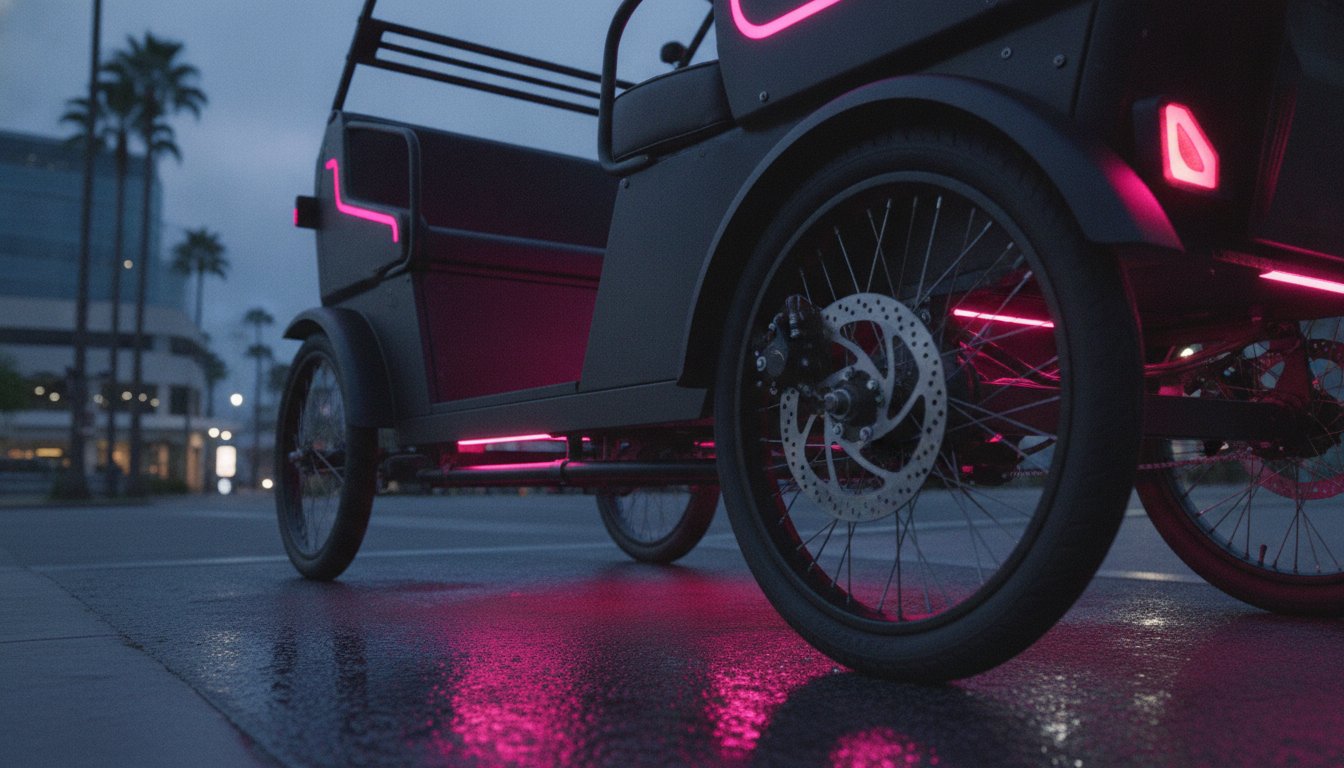
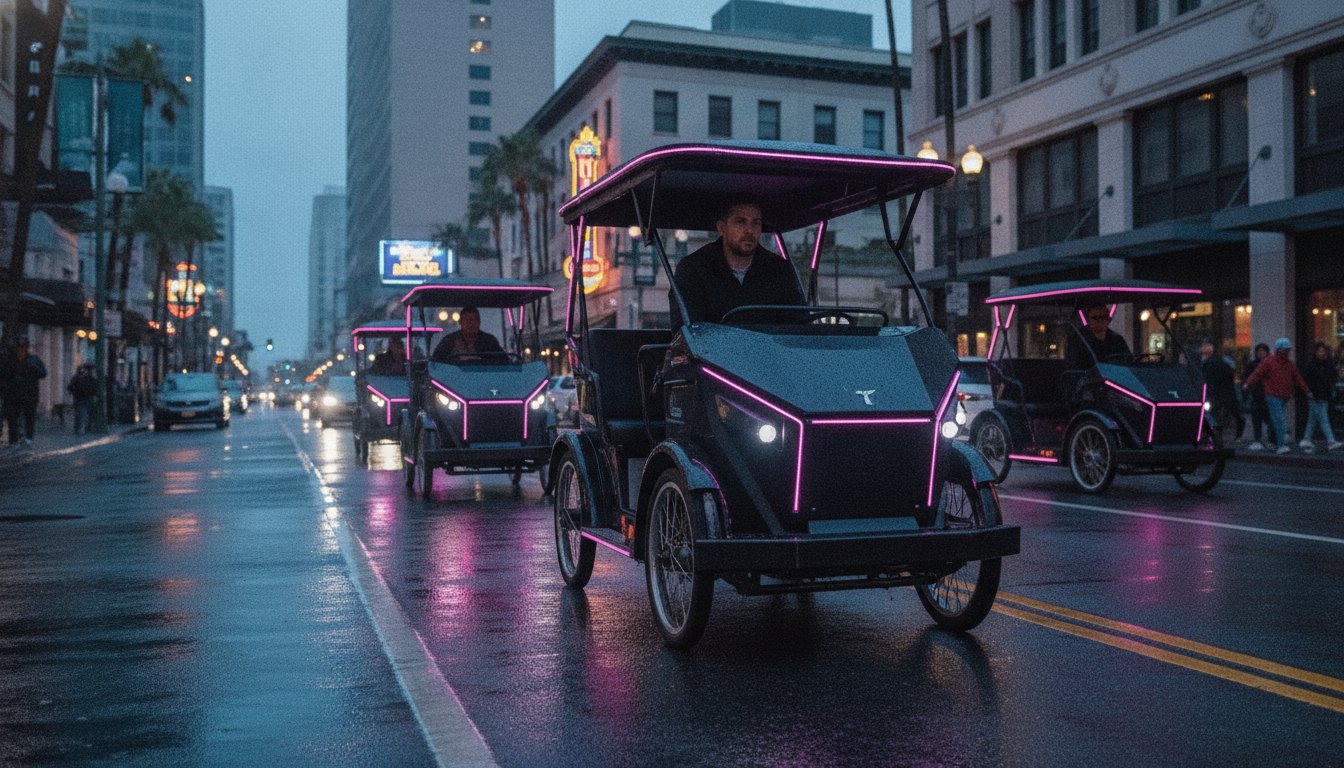
Stop treating your fleet procurement like a trip to a local bike shop. A consumer-grade e-trike is a liability in a high-volume commercial district, but an industrial-grade vehicle is a powerhouse for your bottom line. If you've struggled with frequent motor failures or insufficient passenger capacity for group tours, you already know that "cheap" is the most expensive word in logistics. Buying custom electric trikes for business requires a shift from recreational thinking to industrial engineering. You need a vehicle that doesn't just move; it performs under pressure.
We understand the frustration of operational downtime because we've spent two decades in the trenches of fleet management and manufacturing. This guide will help you master the engineering specifications and operational strategies required to deploy a fleet that maximizes commercial ROI. We'll provide a clear roadmap through the 2026 regulatory landscape, including battery safety standards like UL 2849 and the structural advantages of high-capacity chassis like the CyberX. It's time to build a durable, industrial-grade fleet that eliminates disruption and drives your business forward.
Key Takeaways
- Understand why industrial-grade chassis and high-torque drive systems are non-negotiable for handling 500lb+ passenger loads without mechanical failure.
- Learn to select the optimal configuration for your specific revenue model by analyzing the profitability matrix between 3-seat and 6-seat high-capacity trikes.
- Master the long-term financial strategy of buying custom electric trikes for business by evaluating the five-year Total Cost of Ownership against modified consumer options.
- Identify the critical engineering specifications that eliminate operational disruptions and ensure your fleet remains in service during peak demand cycles.
- Streamline your national deployment by leveraging direct-to-operator sales models for precision-built vehicles designed for the rigors of American commerce.
Why Commercial Operations Demand Custom Industrial Trikes Over Standard Models
Consumer-grade tricycles are engineered for weekend trails and light grocery runs. Industrial trikes are built for the relentless 24/7 grind of an urban entertainment district. When you're buying custom electric trikes for business, you aren't just selecting a frame; you're choosing the structural foundation of your daily revenue. Most operators learn this the hard way when a consumer-grade motor melts under the weight of a 500lb passenger load on a steep city incline. We don't build toys. We build high-performance revenue platforms designed to withstand thousands of annual operational hours.
The transition from recreational use to commercial deployment is a leap in engineering requirements. While standard cargo bikes offer a baseline for light delivery, they often lack the chassis stiffness and torque profiles necessary for high-capacity passenger transit. A custom industrial build prioritizes uptime and driver ergonomics, ensuring that your operators stay fresh and your vehicles stay on the street. If your equipment is in the shop, your business is invisible.
The Limitations of Off-the-Shelf Electric Tricycles
Standard e-bike motors are the primary failure point in commercial settings. These systems aren't designed for the constant heat soak of 10-hour shifts. They burn out. When a motor fails in the middle of a tour, it doesn't just cost you a repair bill; it costs you your reputation. We've seen countless businesses attempt to use mechanical rim brakes for high-mass transit. This is a liability. At 900lbs of total vehicle weight, you need hydraulic systems that provide consistent, fade-free stopping power every single time.
Structural fatigue is the silent killer of standard fleets. Most off-the-shelf models use lightweight aluminum frames that crack under the rhythmic stress of constant commercial use. We utilize 4130 Chromoly steel because durability is the only metric that matters at 2:00 AM in a crowded downtown core. Buying custom electric trikes for business means investing in a chassis that won't snap when the pavement gets rough.
The Master Practitioner Engineering Philosophy
Our engineering is forged in the trenches of real-world fleet operations. We design for field-level maintenance. If a component fails, it should be swappable in minutes, not days. This philosophy comes from twenty years of watching what breaks in the field and perfecting the solution. We prioritize modularity because every minute of downtime is a direct hit to your ROI.
Aesthetic authority is your best marketing tool. A custom-built, professional-grade vehicle commands higher passenger rates and attracts better drivers. People pay for the experience of a premium machine. When your fleet looks like a coordinated industrial force rather than a collection of DIY projects, your market dominance becomes undeniable. You aren't just buying a trike; you're deploying a statement of quality and reliability.
Engineering for ROI: The Industrial Specs That Power Business Success
Engineering isn't a luxury in the commercial world; it's the engine of your profitability. When you're buying custom electric trikes for business, you're making a capital investment that must yield a measurable return through consistent uptime. A vehicle that breaks down during a peak Saturday night shift isn't just a repair bill. It's a total loss of revenue for that window. We build vehicles that stay in the field for 12 hours a day, 300 days a year, because true ROI is found in reliability.
High-torque drive systems are the heart of this reliability. Navigating steep urban inclines with a full 6-seat passenger load requires a motor system capable of delivering sustained, high-current torque without thermal shutdown. If your drive system can't handle the heat soak of a multi-shift operation, your fleet is a liability. We pair these power plants with commercial-grade hydraulic braking systems designed for high-mass stopping. Moving a 900lb total weight vehicle safely requires the precision and fade-resistance that only industrial-grade hydraulics can provide.
The CyberX Engineering Standard
The CyberX chassis represents the benchmark for structural integrity in the 2026 market. It's constructed with precision-welded reinforced steel to eliminate the frame flex and structural fatigue common in recreational aluminum models. For a high-capacity 6-seat vehicle, industrial torque requirements dictate a drive system capable of 120Nm or higher to maintain commercial speed under full load. This power is supported by a modular design philosophy. We've engineered the CyberX so that critical components can be swapped in minutes rather than hours, ensuring your mechanics keep the fleet moving.
Power Systems and Thermal Management
Battery management is the silent pulse of your operation. We select battery chemistries specifically for their ability to survive 1,000+ charge cycles in the field without significant degradation. In warm resort climates, cooling protocols are mandatory. Our thermal management systems prevent motor derating during peak summer shifts, allowing your operators to maintain performance when demand is highest. We also utilize regenerative braking to recover energy during descents. This doesn't just extend your daily range; it significantly reduces brake pad wear, lowering your long-term maintenance costs. If you want to see how these specs translate to the street, explore our Pedicab Fleet Packages to begin your transition to industrial-grade operations.
How to Spec Your Custom Business Trike: A 5-Step Configuration Guide
Success in the field begins with a blueprint that prioritizes your bottom line. When buying custom electric trikes for business, your configuration decisions dictate your operational overhead and your gross throughput. You're not just selecting colors; you're engineering a revenue stream. We've identified a five-step framework to ensure your fleet is optimized for the specific demands of your territory and business model.
- Identify the revenue driver: Decide if your primary income comes from high-speed passenger transport or slow-motion mobile vending.
- Determine capacity: Analyze the profitability matrix between agile 3-seat units and high-volume 6-seat platforms.
- Assess the terrain: Hilly districts demand high-torque motor configurations and reinforced braking systems to maintain schedule integrity.
- Specify branding: Turn your vehicle into a mobile billboard with integrated advertising panels and custom lighting.
- Standardize components: Consult with manufacturers to ensure fleet-wide commonality for tires, chains, and batteries to simplify maintenance.
Standardization is the hallmark of a professional operation. By utilizing the same components across your entire fleet, you reduce the capital tied up in spare parts and decrease the training time for your mechanics. Our twenty years of operational data proves that simplicity in the shop leads to complexity in your bank account. Don't over-complicate your specs; focus on the features that drive uptime and passenger satisfaction.
Selecting the Right Passenger Configuration
The choice between a 3-seat and 6-seat model is a choice between agility and volume. Agile 3-seat models are perfect for quick urban hops where speed and maneuverability are paramount. However, maximizing group revenue requires a shift in scale. Deploying industrial-grade electric pedicabs in 6-seat formats allows you to capture larger parties, such as wedding groups or corporate tours, doubling your per-trip revenue without doubling your driver costs. You must balance this increased throughput against battery life, as heavier loads require more sophisticated power management.
Specifying Custom Aesthetic and Utility Features
Visibility is safety, and in the entertainment industry, it's also marketing. Integrating high-output LED lighting packages ensures your fleet is seen in high-traffic nighttime environments. Beyond lighting, consider the comfort of your cargo. Custom upholstery and integrated weather protection are essential for year-round resort operations where passenger experience dictates your tip rates and repeat bookings. Finally, adding digital signage or advertising panels allows you to diversify your revenue, turning your transit vehicle into a high-impact media platform that pays for itself even when the seats are empty.
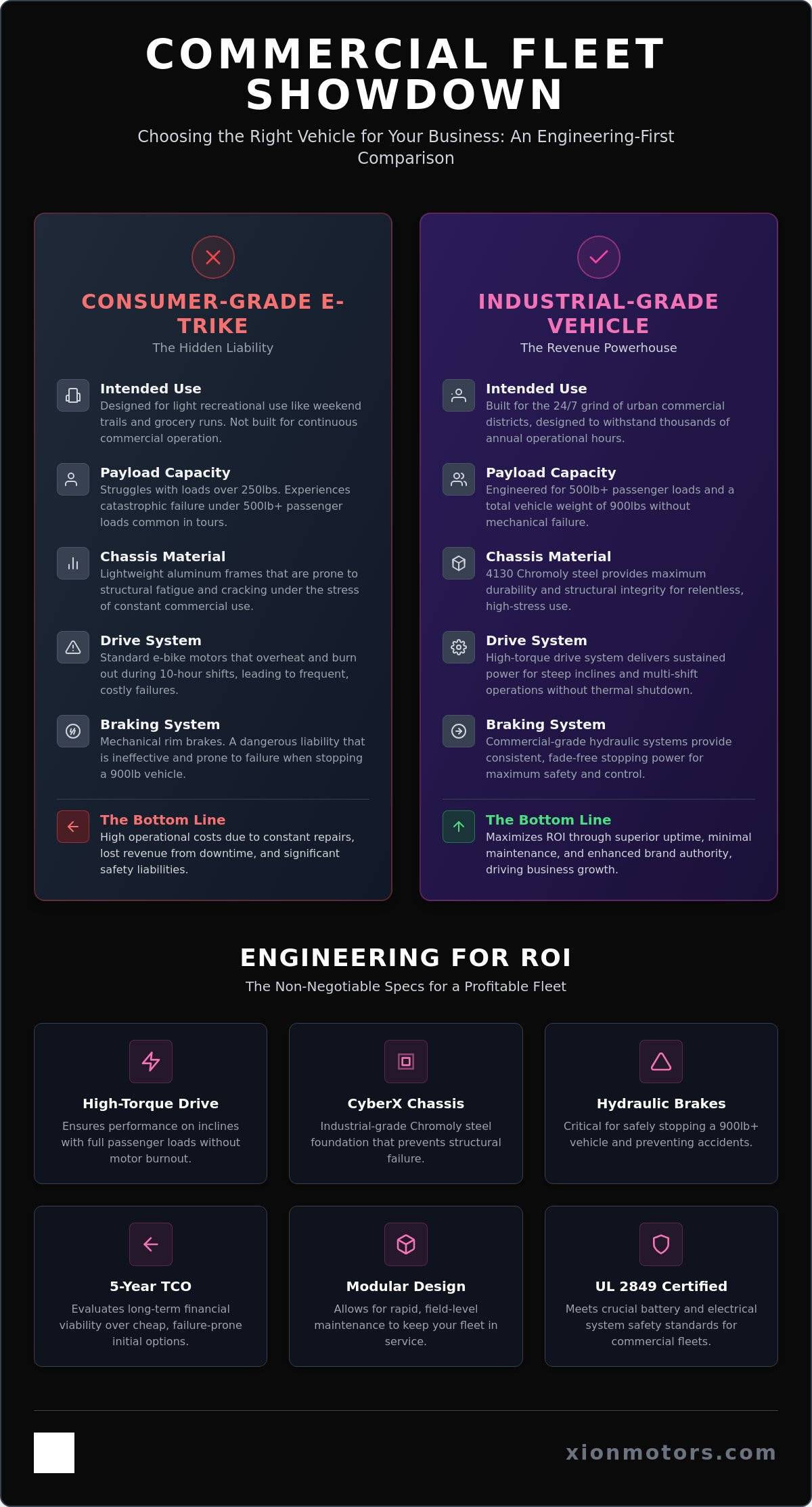
Operational Comparison: Custom Industrial Trikes vs. Standard Fleet Options
Operational reality is the ultimate judge of equipment. When you're buying custom electric trikes for business, the initial purchase price is only the first chapter of your financial narrative. The true metric of success is the Total Cost of Ownership (TCO) over a five-year commercial lifecycle. Modified consumer units often require weekly mechanical adjustments and component replacements that quickly erode your margins. In contrast, an industrial build maintains its structural integrity and performance profile through thousands of hours of high-duty cycles. We've seen fleets transition from recreational models to custom industrial builds and immediately report a 40% reduction in monthly maintenance overhead.
Risk management is another pillar of a professional operation. Standard e-bikes often lack the safety certifications required by major underwriters, leaving your business exposed. Utilizing commercial pedicab insurance becomes significantly more straightforward when your fleet is built to recognized industrial standards, such as UL 2849 for battery safety. This compliance isn't just about safety; it's about protecting your capital. Furthermore, fleet consistency ensures that every vehicle in your lineup handles identically, which simplifies driver training and allows for a standardized inventory of spare parts.
Custom Trike vs. Modified Golf Cart
Golf carts are the traditional choice for resort transit, but they face significant operational hurdles in modern urban environments. Many pedestrian-heavy districts and narrow historical zones now prohibit larger vehicles due to congestion and safety concerns. Custom trikes provide the agility to navigate these restricted areas while maintaining a high passenger throughput. There's also the "Experience Factor" to consider. Tourists prefer the open-air, immersive perspective of a trike over the enclosed, sterile feel of a shuttle. From an efficiency standpoint, electric trikes require far less charging infrastructure and consume a fraction of the energy per passenger mile compared to heavy lead-acid golf cart fleets.
The ROI of Industrial Durability
Downtime is the silent killer of fleet profitability. If one vehicle is out of service during a holiday weekend, you aren't just losing the fares; you're paying a driver to sit idle while your fixed costs remain unchanged. A rigid chassis minimizes high-frequency vibrations that lead to physical exhaustion, directly correlating to higher driver retention rates and lower recruitment overhead. Long-term savings are achieved by investing in authentic vehicle parts that are engineered for the specific torque and load profiles of your machine. Equip your business with the industry standard by browsing our full range of Electric Pedicabs to secure your operational future.
Scaling with Xion Motors: Industrial Solutions for National Deployment
Scaling a transit operation requires more than just capital; it demands a partner who understands the mechanics of growth. When buying custom electric trikes for business, you need a manufacturer capable of matching your ambition with industrial-grade output. We aren't a local boutique. Xion Motors is a national infrastructure provider with over 20 years of operational history in the fleet sector. Our direct-to-operator sales model ensures you receive the best possible fleet pricing by eliminating the middleman. We ship fully-assembled, street-ready industrial trikes to all 50 states, ensuring your expansion is limited only by your vision.
The transition from a single-unit pilot to a multi-city fleet is the most critical phase of your business lifecycle. You need equipment that remains consistent across territories. By standardized on the CyberX or VorteX platforms, you ensure that your maintenance protocols and driver training remain uniform, regardless of where you deploy. Our legacy is built on the success of our operators. We don't just sell vehicles; we provide the structural foundation for your commercial legacy.
The Custom VorteX Trike: Precision for Professionals
The Custom VorteX Trike stands as the definitive choice for high-end resort transport and precision urban maneuvers. It offers the perfect balance of aesthetic authority and rugged performance. We actively support entrepreneurs starting a pedicab company by providing the technical consulting required to navigate local ordinances and operational hurdles. Our USA-based manufacturing ensures absolute quality control over every weld and wiring harness. This domestic presence also guarantees that replacement parts are always available, preventing the long-lead-time disruptions common with imported models.
Deploying Your Fleet Nationwide
Moving from a single vehicle to a comprehensive fleet package is the fastest way to dominate a local market. We streamline this process by handling the logistical heavy lifting of national deployment. Our technical support team acts as an extension of your own operation, offering the deep-bench expertise needed for long-term success. Success in the 2026 market belongs to those who prioritize durability and professional engineering. Consult with Xion Motors to engineer your custom business fleet today and secure the high-performance tools your business deserves.
Dominate Your Market with Industrial-Grade Fleet Engineering
The transition to a high-performance commercial fleet is a strategic pivot that separates market leaders from hobbyists. You've learned that buying custom electric trikes for business isn't about finding the lowest sticker price; it's about securing a vehicle that stays in the field when the competition's equipment fails. By prioritizing the CyberX industrial engineering standard and specifying your configuration based on real-world revenue drivers, you protect your margins and your reputation. Uptime is the only currency that matters in a high-volume district.
Partnering with a manufacturer that possesses 20+ years of fleet operational experience ensures you aren't just buying hardware; you're gaining a veteran ally. We facilitate national expansion by shipping fully-assembled, street-ready units to all 50 US states. It's time to stop managing mechanical failures and start managing your growth. Take the decisive step toward operational excellence and build a legacy of reliability.
Build Your Industrial-Grade Fleet with Xion Motors
Frequently Asked Questions
How much weight can a custom industrial electric trike actually carry?
Industrial models are engineered for payloads reaching 900 lbs. This capacity allows for a full driver and multiple passengers or heavy cargo without compromising structural integrity. Standard recreational models often fail under half this weight. Our focus on 4130 Chromoly steel ensures that the chassis maintains its geometry even under maximum load cycles in high-volume districts.
Do I need a special license to operate custom electric trikes for business?
Most industrial trikes, including the VorteX line, are classified as Class 2 e-bikes, which typically don't require a driver's license or insurance. This classification simplifies the hiring process for fleet operators. However, local and state ordinances vary significantly; you must verify specific regional requirements before deploying your fleet in a new municipality or resort district.
How long does the battery last on a 6-seat commercial trike during a shift?
A 6-seat commercial trike is designed to handle full 10 to 12-hour shifts through advanced battery management and regenerative braking. While exact range depends on terrain and load, our power systems are optimized for multi-shift reliability. We recommend swapping batteries or using rapid-charge protocols during driver breaks to ensure 24/7 operational availability during peak demand windows.
What is the expected lifespan of an industrial-grade trike frame?
An industrial-grade frame is built to last a decade or more under constant commercial use. Unlike aluminum frames that suffer from structural fatigue and cracking, our reinforced steel chassis are engineered for longevity. With proper maintenance of wear items like tires and chains, the core structure remains a viable asset for your business long after consumer-grade alternatives have been scrapped.
Can I customize the branding and colors of my trike fleet?
Absolute customization is a core feature when buying custom electric trikes for business. You can specify everything from powder-coated frame colors to integrated advertising panels and custom upholstery. This level of branding turns your fleet into a coordinated mobile marketing force, allowing you to command premium rates and secure high-impact sponsorships in busy entertainment districts.
How do custom electric trikes handle hills and steep inclines?
Custom industrial trikes utilize high-torque drive systems specifically engineered to navigate steep urban inclines with full passenger loads. These systems provide the necessary low-end power to maintain schedule integrity without thermal shutdown. When paired with hydraulic braking, they offer the control and safety required for high-mass descents in hilly environments where standard brakes often fade or fail.
Is it better to buy a 3-seat or 6-seat trike for a new tour business?
The decision depends on your specific revenue model and urban geography. A 3-seat model offers superior maneuverability in tight pedestrian zones and is ideal for quick point-to-point transit. However, a 6-seat configuration maximizes group revenue and is the better choice for guided tours where passenger throughput is the primary driver of profitability and long-term ROI.
How does Xion Motors handle shipping and assembly for national orders?
We ship our industrial trikes fully-assembled and street-ready to all 50 US states. This direct-to-operator model eliminates the complexity of local assembly and ensures that every vehicle meets our strict quality control standards before it arrives. Your fleet arrives ready for immediate deployment, allowing you to generate revenue from the moment the transport vehicle unloads.
Thinking about starting or scaling a pedicab operation?
See what a pedicab costs ($13,500–$15,000 direct from the manufacturer), explore fleet pricing on 3+ units, or start with $0-down equipment financing. Xion operators earn $30,000–$35,000 per cab per year across 59+ US markets.