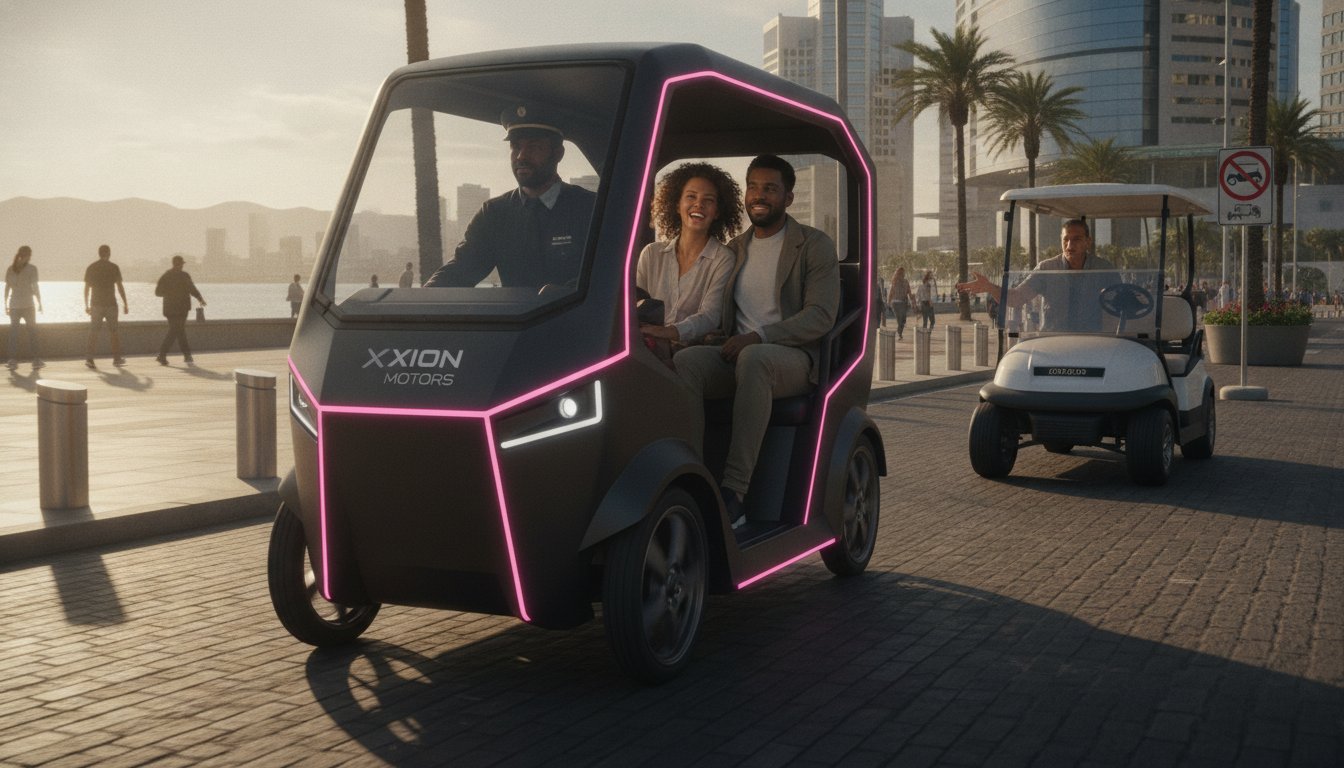
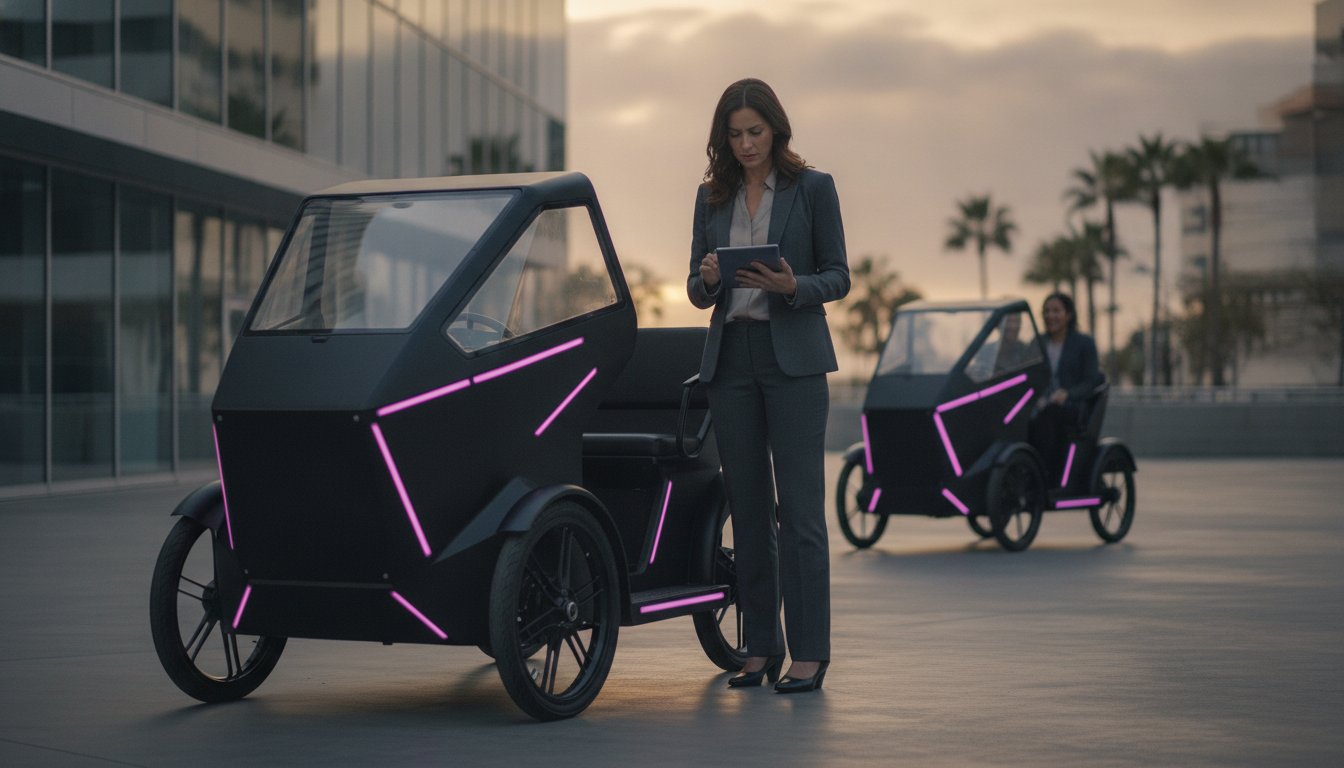
Historic districts are the ultimate stress test for transit equipment. Only industrial-grade hardware balances heritage preservation with high-volume profitability. Deploying an electric pedicab for historic districts is no longer just a "green" initiative; it's a strategic move to capture high-margin tourist revenue without disturbing the local atmosphere. You've likely seen the struggle first-hand. Gas-powered shuttles shatter the quiet of a cobblestone street, and standard golf carts lack the maneuverability required for tight, high-traffic corridors. Worse, hobbyist-grade bikes often crumble under the weight of 12-hour commercial shifts, leading to downtime that kills your bottom line.
We understand that a successful fleet requires more than just a motor and three wheels. It demands professional-grade engineering that survives the daily grind while enhancing the district's aesthetic. This article details how industrial electric pedicabs solve these unique transit challenges while maximizing operator revenue. We'll examine the business case for zero-emission fleets, the necessity of Class 2 compliance for street-legal operations, and the long-term ROI of investing in durability over disposable hardware.
Key Takeaways
- Analyze the failure of traditional shuttles in heritage zones and why low-impact transit is the only viable path for preserving aesthetic integrity.
- Identify the critical engineering specs for an electric pedicab for historic districts, focusing on high-torque drive systems and Class 2 compliance for legal, high-performance operation.
- Scale your business for high-volume 2026 events by transitioning from maintenance-heavy hobbyist bikes to an industrial-grade, professionalized fleet.
- Execute a strategic deployment roadmap that prioritizes local licensing and commercial insurance to ensure long-term operational security.
- Compare the utility and ROI of specialized models like the CyberX and VorteX to match your fleet capacity with specific district demands.
The Transit Bottleneck in Modern Historic Districts
Historic districts weren't designed for 40-foot motor coaches or the heavy traffic of the 21st century. Most heritage sites were engineered for foot traffic and small carriages, centuries before the era of internal combustion. This creates a fundamental paradox for city planners and tour operators. While tourism is the economic lifeblood of these zones, the infrastructure is fragile. Deploying an electric pedicab for historic districts solves the physical and regulatory friction that traditional transport can't touch.
Traditional shuttle buses fail in high-density heritage zones because they're inherently intrusive. They're loud, they emit exhaust that damages historic stonework, and they frequently get stuck in traffic patterns they were never meant to navigate. The modern Cycle rickshaw has evolved into an industrial-grade electric vehicle capable of moving passengers without the footprint of a van. This shift is driven by a need for non-intrusive alternatives that maintain the district's aesthetic while fulfilling the demand for efficient movement.
Noise pollution is the silent killer of tourist satisfaction in historic settings. The roar of a diesel engine bouncing off limestone walls ruins the very atmosphere visitors pay to experience. This has led to a wave of bans on gas vehicles in heritage sites across North America. Operators who don't adapt face losing access to the most profitable zones. A professional electric fleet removes this risk entirely. It allows for a high-performance operation that runs 12-hour shifts without the vibration, heat, or noise of a traditional engine. This is pragmatic business management: protecting your access to market by adopting the tools the market demands.
Space Constraints and Maneuverability
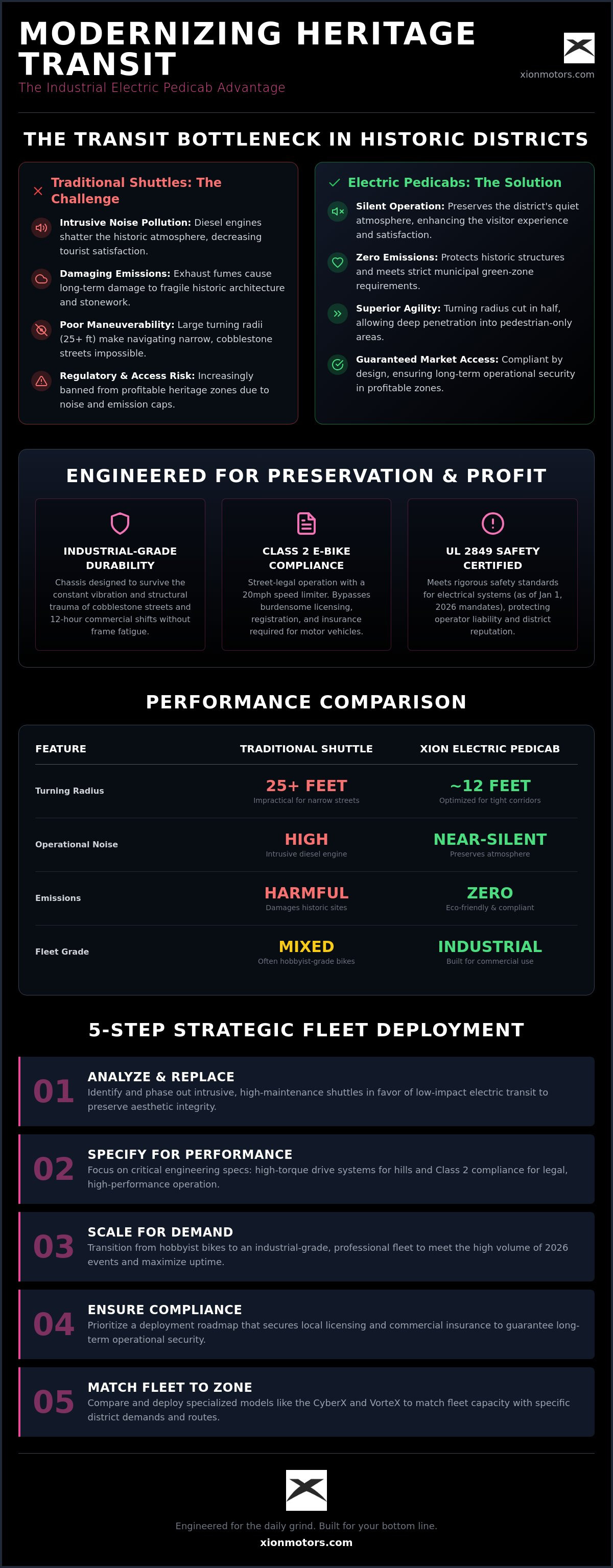
Narrow alleyways and cobblestone streets are the primary obstacles for standard vehicles. A standard shuttle bus often requires a turning radius of 25 feet or more, making many historic corners impassable. Industrial trikes cut that requirement in half. This agility allows operators to penetrate deep into pedestrian-heavy cores where buses are banned. Sidewalk-adjacent loading is another critical advantage. Because these vehicles are compact, they board passengers without obstructing the entire roadway, keeping the district moving during peak tourist hours.
The Aesthetic and Environmental Mandate
By 2026, the global shift toward "silent tourism" has become a regulatory reality. Many municipalities now enforce strict noise and emission caps in sensitive heritage environments. Gas-powered engines are increasingly seen as a liability rather than an asset. An electric pedicab for historic districts provides a quiet, zero-emission solution that meets municipal green-zone requirements immediately. These vehicles don't just move people; they act as a mobile billboard that complements the local architecture. It's about maintaining a professional image that respects the legacy of the district while generating consistent revenue.
Engineering for Preservation: Why Electric Pedicabs Win
Engineering for preservation isn't about aesthetics alone; it's about mechanical survival. An electric pedicab for historic districts must be defined as a high-torque, Class 2 compliant machine designed to withstand the structural trauma of heritage infrastructure. While competitors often rely on hobbyist-level e-bike components, a professional operation requires industrial-grade systems. We take a Master Practitioner approach to chassis design, ensuring our vehicles handle the constant vibration of centuries-old cobblestones without frame fatigue. This level of durability is non-negotiable for operators looking to secure long-term ROI. Standard bike parts simply cannot sustain the lateral forces and vertical impact of 12-hour commercial cycles.
Class 2 E-Bike Compliance
Operating within the Class 2 e-bike framework is a strategic regulatory advantage. By utilizing 20mph speed limiters, these vehicles remain legal for use in pedestrian-heavy historic zones without the burdensome licensing, registration, or insurance required for traditional motor vehicles. As of January 1, 2026, safety mandates like UL 2849 certification for electrical systems have become the standard for commercial deployment in states like California. Our engineering ensures that every unit meets these rigorous safety protocols, protecting both the operator's liability and the district's reputation. Staying Class 2 compliant means you bypass the red tape that frequently stalls shuttle bus operations.
High-Torque Performance and Payload
High-torque motors are the engine of profitability, allowing for the seamless transport of up to six passengers across hilly terrain without mechanical strain. This capability is what allows electric fleets to transform urban transport in sensitive UNESCO World Heritage sites and high-traffic historic centers. Our electric pedicab for historic districts models, including the CyberX and the VorteX, are built with heavy-duty passenger capacities of 800 lbs or more. We utilize 1,500W+ motors to ensure consistent performance regardless of the grade or the passenger load. Battery longevity is equally critical for the bottom line. Our power management systems ensure that a single charge lasts up to 40 miles, covering the entire peak tourist window without mid-shift downtime.
If you are ready to move beyond fragile equipment, explore our Electric Pedicabs designed for professional fleet standards.
Case Study: Modernizing Heritage Transit for High-Volume Events
High-volume events like the 2026 World Cup present a massive logistical challenge for historic districts. Traditional infrastructure often buckles under the weight of millions of visitors, creating gridlock that standard vehicles cannot escape. This is where a professionalized electric pedicab for historic districts becomes a critical asset. It’s no longer about a few hobbyist riders making extra cash; it’s about a disciplined fleet providing sustainable transport for heritage sites. Operators who treat their business as a serious transit solution see a dramatic shift in revenue potential during these high-stakes windows.
Experience-based transit generates significantly higher margins than simple point-to-point shuttling. Tourists aren't just paying to get from point A to point B; they're paying for an immersive tour of the district. By integrating professional lighting, high-fidelity audio systems, and themed decorations, your fleet becomes part of the district's local charm. This approach drives ridership even on weekdays and daytime shifts when pure commuting demand is lower. It transforms a basic utility into a premium attraction, allowing for higher fare structures that the market is eager to pay.
Scaling the Experience
Modern fleets must be versatile to capture every demographic. Deploying a strategic mix of 3-seat units like the CyberX and 6-seat units like the VorteX allows you to handle everything from solo travelers to large family groups without splitting the party. This flexibility is the "fun factor" that differentiates your service from a sterile shuttle bus or a cramped rideshare. When the ride is comfortable and engaging, passengers are more likely to provide higher tips. This directly boosts the driver's take-home pay and reduces operator turnover, creating a more stable and professional business environment.
The ROI of Industrial Reliability
Peak season is unforgiving for inferior equipment. If a vehicle is in the shop, it isn't making money, and during a 30-day tournament, every hour of downtime is a lost opportunity. When you are starting a pedicab company, you need hardware that survives the street. Our Master Practitioner philosophy dictates that every component is over-engineered for commercial durability. We build for the road, not the repair shop. Industrial-grade reliability ensures your fleet stays operational when the demand is at its absolute highest, capturing every dollar available during a mega-event window while competitors struggle with broken chains and failed motors.
Strategic Fleet Deployment: A 5-Step Blueprint
Launching a commercial fleet in 2026 requires more than just capital; it demands a tactical roadmap. Success in heritage zones depends on a methodical approach to deployment. You identify a transit gap, deploy industrial hardware, and verify your ROI through maximized uptime. An electric pedicab for historic districts serves as the bridge between congested transit hubs and the quiet, high-value destinations that traditional buses can't reach. This blueprint ensures your entry into the market is both legal and profitable from day one.
- Zone Mapping: Analyze the district to identify pedestrian-only corridors and high-volume last-mile routes where cars are restricted.
- Regulatory Audit: Secure the specific municipal permits required for commercial passenger transport and verify local e-bike classifications.
- Fleet Specification: Select vehicles built for 12-hour shifts, prioritizing high-torque motors and industrial-grade chassis.
- Infrastructure Setup: Establish a centralized charging and storage hub with the electrical capacity to support rapid fleet turnover.
- Driver Certification: Train operators on vehicle safety, battery management, and local history to maximize the premium experience.
Regulatory Navigation and Licensing
Navigating the legal landscape is the first major hurdle for new operators. Most cities utilize specific licensing frameworks for electric pedicabs for entertainment districts, often requiring background checks and rigorous vehicle inspections. Working with a manufacturer that understands 50-state shipping and safety compliance is a massive advantage. It ensures your equipment meets the UL 2849 standards now mandated in many jurisdictions. Don't overlook liability insurance. Professional passenger transport requires robust coverage that protects your assets against the unpredictable nature of urban traffic and pedestrian-heavy environments.
Infrastructure and Maintenance Protocols
Industrial reliability is built on a foundation of strict maintenance. A multi-unit fleet requires a dedicated charging infrastructure capable of handling fast-charging cycles without straining the local grid. Referencing a professional electric pedicab maintenance guide is essential for establishing daily checklists that catch minor issues before they become catastrophic failures. Uptime is the only metric that matters during peak season. Keeping a stock of authentic replacement parts on-site is a Master Practitioner move that ensures your vehicles are back on the street in hours, not weeks. This proactive stance separates the serious business owners from the hobbyist operators who fail when the pressure mounts.
If you're ready to build a high-performance business, view our Pedicab Fleet Packages to start your deployment today.
The Xion Motors Standard: CyberX and VorteX
Xion Motors stands as the Master Practitioner of the electric trike industry. We've spent over two decades in the trenches, refining our hardware through real-world deployment and rigorous stress testing. This isn't about simply assembling parts; it's about active creation and precision management of a transit ecosystem. Our direct-to-operator advantage means you deal with the engineers who built your fleet, ensuring a seamless path to scaling your business. Every electric pedicab for historic districts we ship is manufactured in the USA with a focus on industrial-grade durability that hobbyist brands can't replicate. We build for the road, not the repair shop.
We understand that historic zones present a diverse array of operational hurdles. Some routes require the surgical precision of a compact trike, while others demand the high-volume capacity of a multi-passenger shuttle. Our lineup is designed to cover this entire spectrum. By utilizing high-torque 1,500W+ motors and heavy-duty steel chassis, we ensure your equipment performs at peak capacity for 12-hour shifts. This is professional-grade hardware for serious business owners who prioritize uptime and revenue over low-cost, disposable alternatives. Our commitment to quality control means your fleet stays on the street, generating profit when the demand is at its highest.
CyberX: The Agile Heritage Cruiser
The CyberX is the optimal choice for narrow, high-traffic historic streets where space is at a premium. It provides a perfect balance of power and maneuverability for 3-passenger tours, allowing drivers to navigate tight corners and pedestrian-heavy corridors with total confidence. The rugged authority of the CyberX chassis isn't just for show. It's engineered to absorb the constant impact of cobblestones and uneven pavement, protecting your motor and battery systems from the mechanical fatigue that destroys lesser bikes. This agility makes it the definitive tool for deep penetration into heritage cores where larger vehicles are physically unable to operate.
VorteX: High-Capacity Revenue Force
The VorteX is our 6-seat solution for group transport and family tours. It allows you to move twice the passengers of a standard trike, effectively doubling your revenue potential per trip. While it competes directly with the capacity of a standard golf cart, it maintains full Class 2 e-bike compliance. This allows you to operate in zones where larger motorized vehicles are restricted or banned, giving you a distinct market advantage. It's a high-capacity force that turns a simple ride into a premium group experience. Scale your operations with Xion Motors fleet packages to secure your position in the 2026 transit market.
Dominate the Heritage Transit Market
Historic districts represent a high-stakes environment where only the most durable equipment survives. You've seen how industrial-grade engineering solves the conflict between preservation and profit. By prioritizing Class 2 compliance and high-torque performance, you ensure your fleet remains operational while competitors face mechanical failure. The 2026 transit landscape demands a professionalized approach to the electric pedicab for historic districts. It’s about more than moving people; it’s about owning the most profitable last-mile routes in your city.
Xion Motors brings over 20 years of fleet operation experience to your doorstep. We offer direct-to-operator shipping to all 50 states, ensuring your business has access to the same industrial-grade CyberX and VorteX engineering used by the industry's top earners. Don't settle for hobbyist equipment that drains your maintenance budget. Invest in a fleet that's built for the street and designed for long-term ROI. Explore Xion Motors Industrial-Grade Pedicabs and take command of your local market today. Your district's next era of growth starts with the right tools.
Frequently Asked Questions
Are electric pedicabs street legal in all 50 states?
Legality depends on adherence to Class 2 e-bike standards and local municipal codes. While most states utilize the three-class system, some jurisdictions have unique requirements. For example, New Jersey reclassified all e-bikes as motorized bicycles in 2026, requiring riders to have a driver's license and vehicle registration. You must verify your specific local ordinances before deploying an electric pedicab for historic districts to ensure full compliance with regional laws.
How much weight can a 6-seat electric pedicab safely carry?
Industrial-grade 6-seat models are engineered to carry payloads of 800 lbs or more. This heavy-duty capacity allows for full passenger loads plus the operator without straining the high-torque drive system. We build our chassis with professional-grade steel to ensure structural integrity remains intact during high-volume commercial shifts.
Do I need a special license to operate an electric pedicab fleet?
In most U.S. cities, operating a Class 2 electric pedicab doesn't require a commercial driver's license. However, local authority is paramount. Some states now require standard driver's licenses and insurance for all motorized cycles. Always consult your local municipal code regarding specific insurance, registration, and zone-based restrictions to avoid operational disruptions.
What is the battery range of an industrial-grade electric trike?
Industrial-grade electric trikes provide a battery range of up to 40 miles on a single charge. This distance is sufficient to cover full 12-hour shifts in high-density heritage zones. While payload and terrain influence total range, our power management systems are optimized to maximize commercial uptime and revenue potential.
How do electric pedicabs handle steep hills in historic districts?
High-torque 1,500W+ motors ensure our vehicles navigate steep grades with full passenger loads without mechanical strain. We've engineered our drive systems to handle the varied topography of historic sites, providing reliable power for both ascent and controlled braking on descents. This performance is a hallmark of professional-grade equipment over hobbyist alternatives.
What is the typical ROI for a single electric pedicab unit?
Operators report annual revenue of $25,000 to $35,000 per vehicle through a combination of fares, private bookings, and advertising. With annual operating costs typically ranging between $2,000 and $4,000, the business model offers a high-performance financial return. These figures assume professional management and consistent deployment during peak tourist windows.
Are Xion Motors pedicabs compliant with Class 2 e-bike regulations?
Yes, our vehicles are engineered to meet the Class 2 standard, including a 20 mph speed cap and throttle-assist functionality. We also prioritize safety certifications like UL 2849 for our electrical systems, which is a mandatory requirement in states like California as of January 1, 2026. This compliance ensures your fleet is street-legal in most jurisdictions.
Can electric pedicabs be customized with branding for advertising?
Our vehicles are designed to serve as high-visibility mobile billboards that complement the district's aesthetic. Custom wraps and integrated advertising panels allow you to generate significant passive income alongside passenger fares. This secondary revenue stream is essential for maximizing the ROI of a professional fleet operation.
Thinking about starting or scaling a pedicab operation?
See what a pedicab costs ($13,500–$15,000 direct from the manufacturer), explore fleet pricing on 3+ units, or start with $0-down equipment financing. Xion operators earn $30,000–$35,000 per cab per year across 59+ US markets.